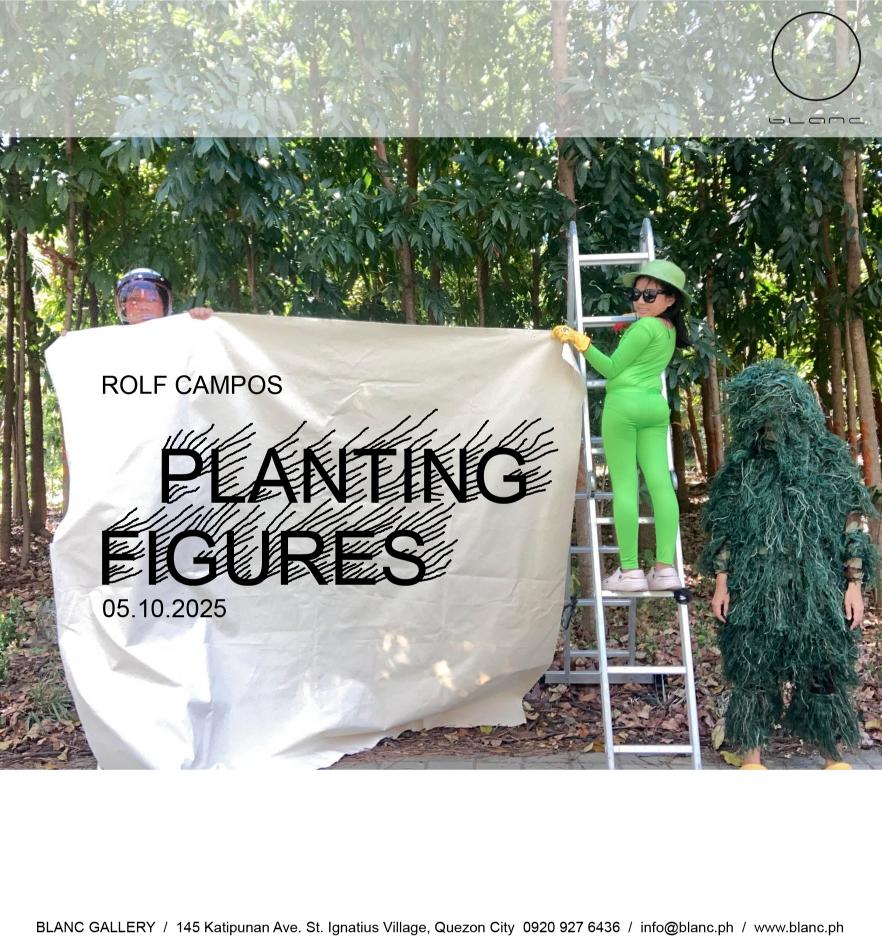
Rolf Campos | Planting Figures
To liken planting to drawing is to recognize both as generative acts—each rooted in gesture, intention, and the shaping of potential. Just as the act of planting embeds a seed in soil with the hope of taking shape, drawing inscribes a mark on a canvas that anticipates meaning or form. Both practices involve an interaction with a given surface.
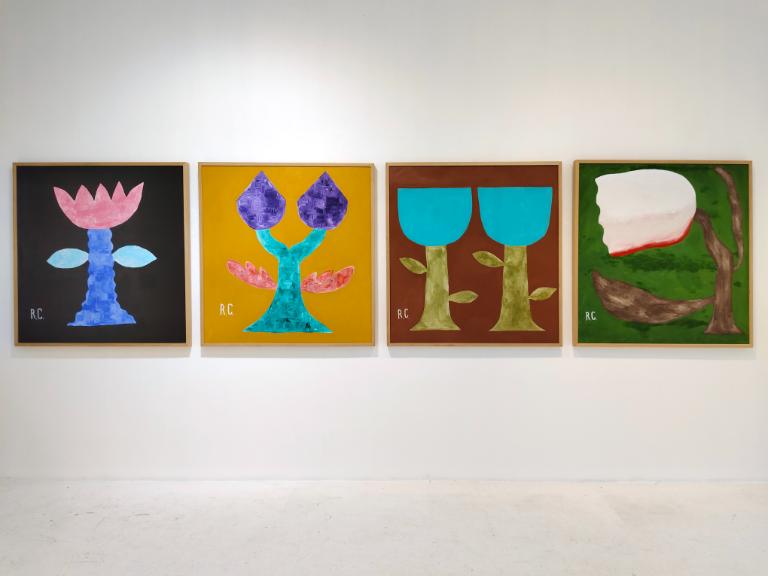
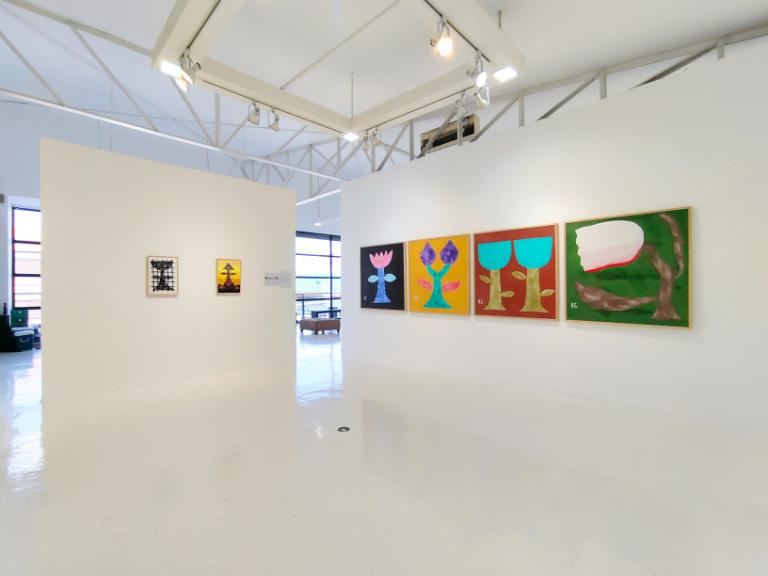
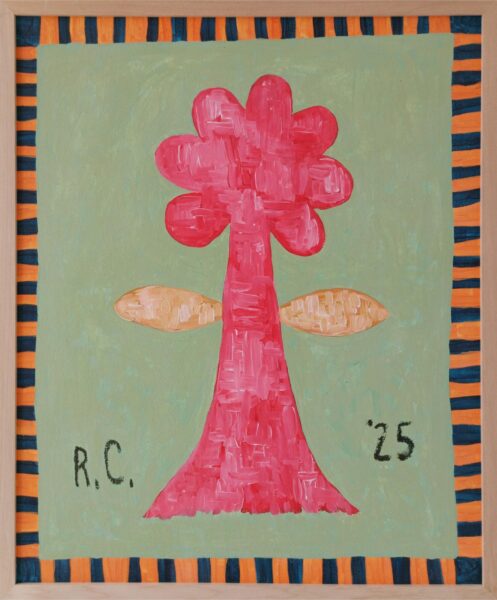
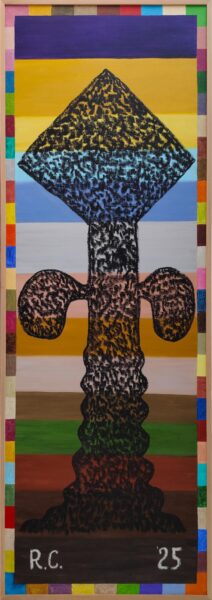
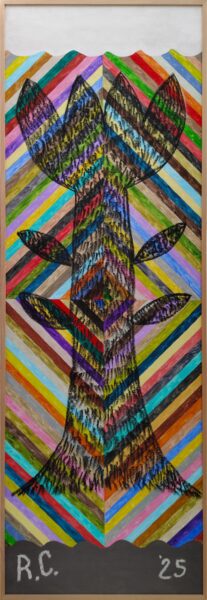
Rolf Campos’ steadfast depiction of the forms of a flower seemingly becomes a gesture that brings the artist closer to the idea of gardening and cultivating. The many iterations of flowers that Campos’ paints allow us to take a closer look at some of its essential properties—-one of which is almost synonymous to any bouquet—their colors.
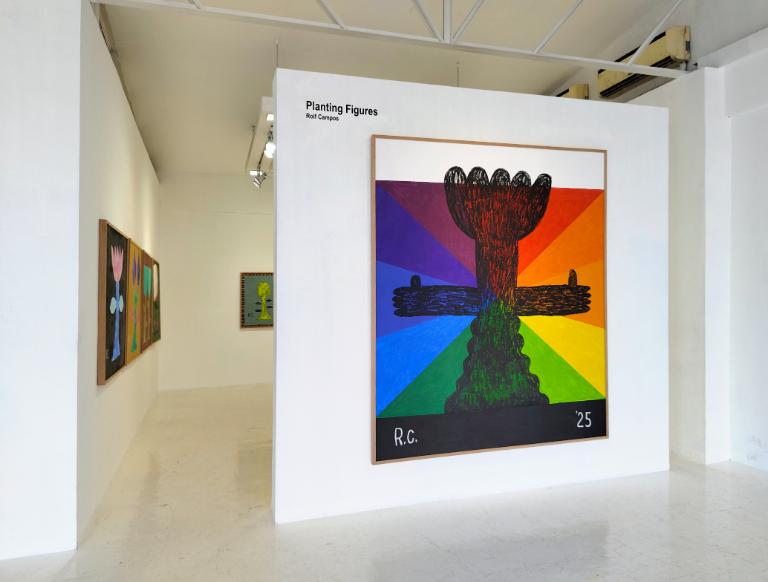
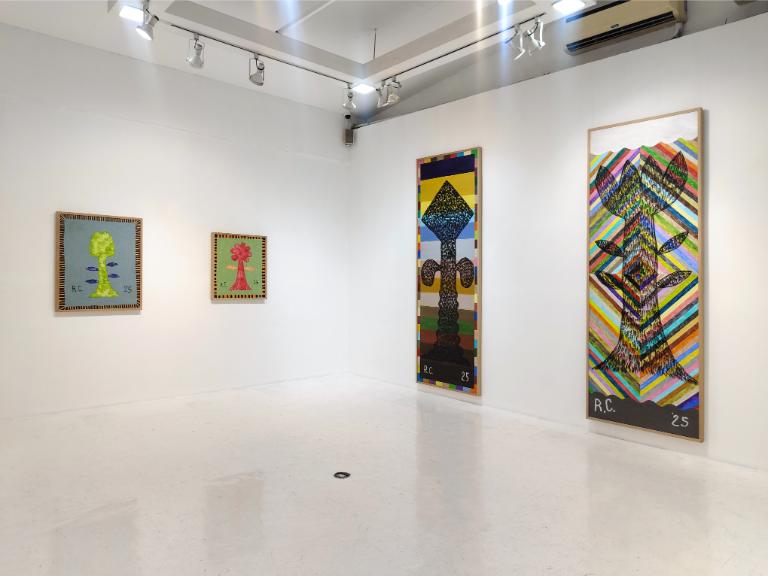
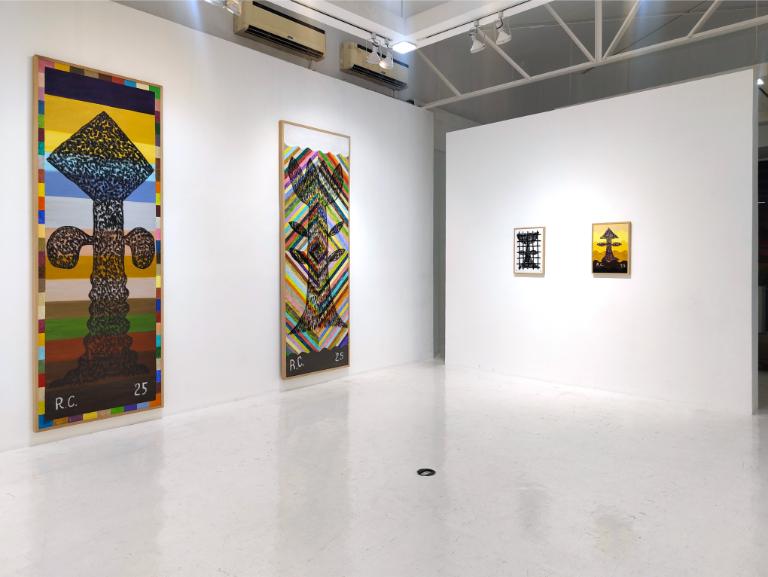
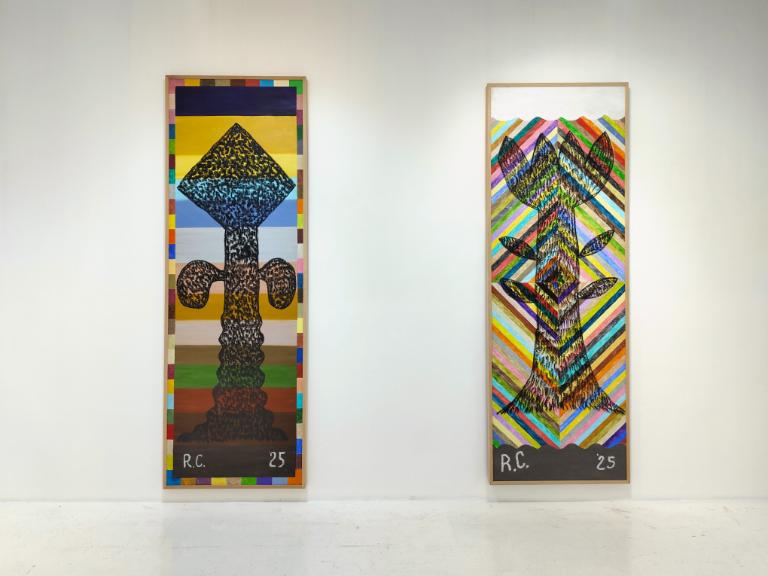
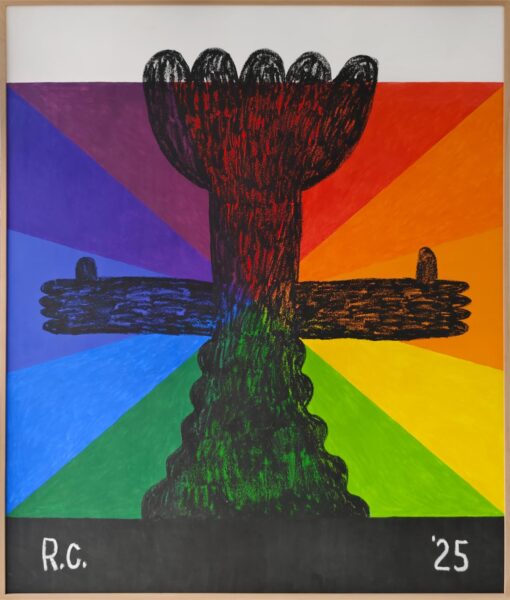
In his latest solo exhibition, Campos places the emphasis on color theory and how most of its principles are embedded in the natural colors of flora. While spending time in his mother’s hometown in Zambales, he was struck by the richness of colors while observing the flowers in their garden. This basic yet indispensable fact had led him to a deeper appreciation and recognition of color combinations and patterns. Coming back to Manila, he continued to observe the varied patchwork of colors in any garden he saw. But true to his concept and style, the dismantling of ideas continues—extracting these colors from the flowers and presenting them in wheels, swatches, and grids.
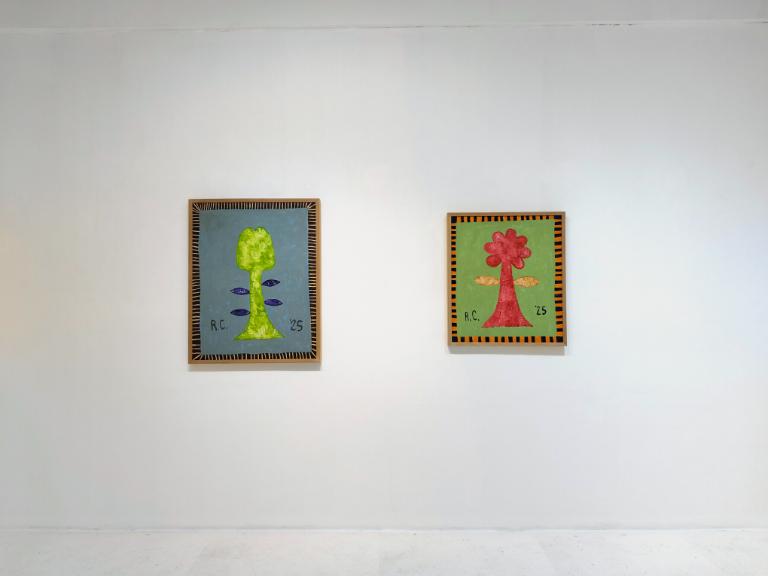
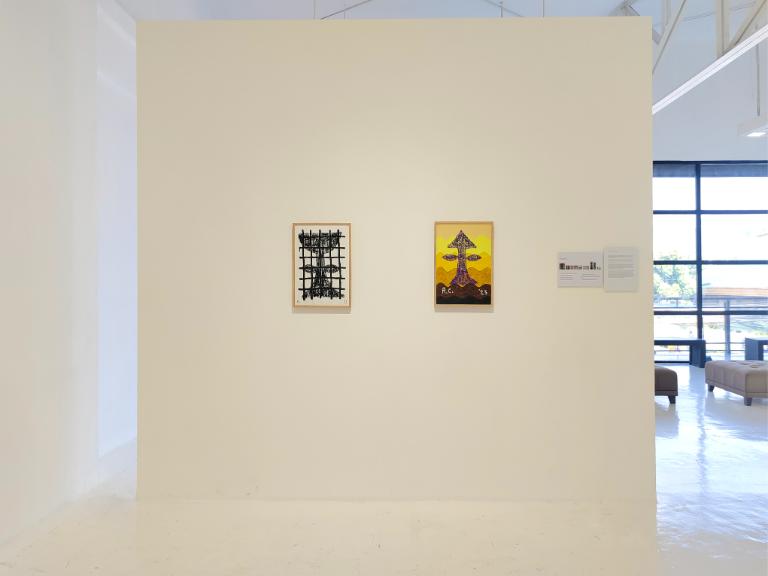
Theorizing takes place in Campos’ extraction of colors: from monochromatic, to primary, to triadic, and to complementary combinations. It stays within the frame as if deconstructed—not as ornaments but as ideas. The deliberate simplification of the petals into modest, emblematic forms recontextualizes the flower as a symbolic construct rather than a mere natural specimen. In this reduction, the floral motif becomes a medium for introspection and a means of exploring the myriad meanings of one of nature’s most enduring figures of love and beauty. While the visual language employed may superficially evoke the naïve expressiveness of childlike renderings, it functions as a critical intervention—a commentary on the artificiality and excess that often characterize contemporary artistic affectation. The work engages in a subtle irony: by distilling the ornate into the elemental, it challenges prevailing assumptions about complexity, authenticity, and the nature of artistic expression itself.
/CLJ
Works
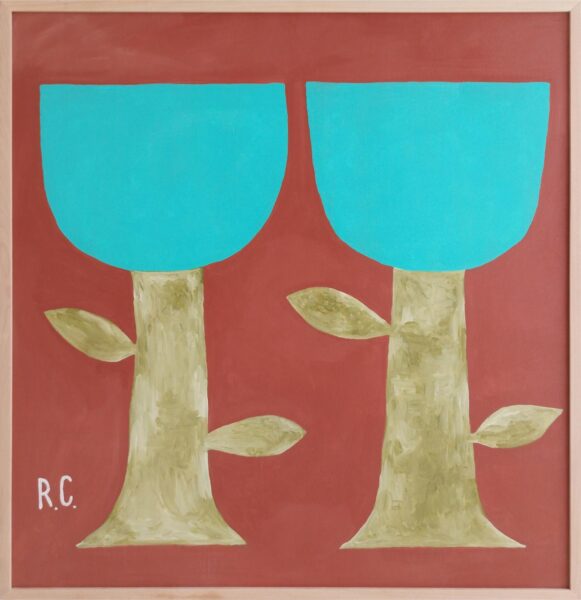
Inflora I
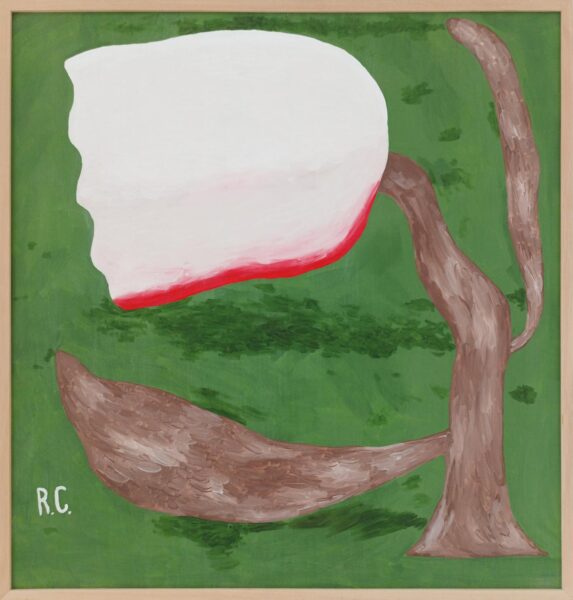
Inflora II
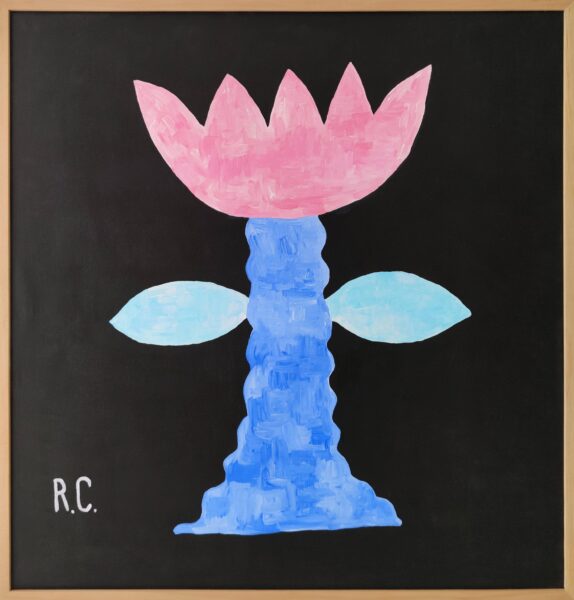
Inflora III
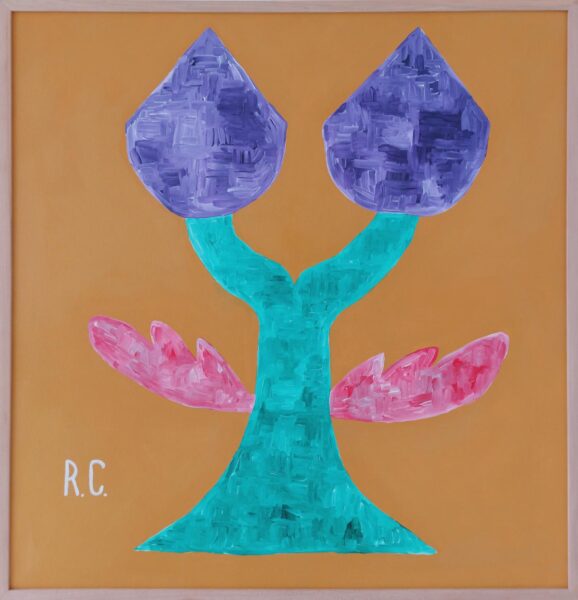
Inflora IV
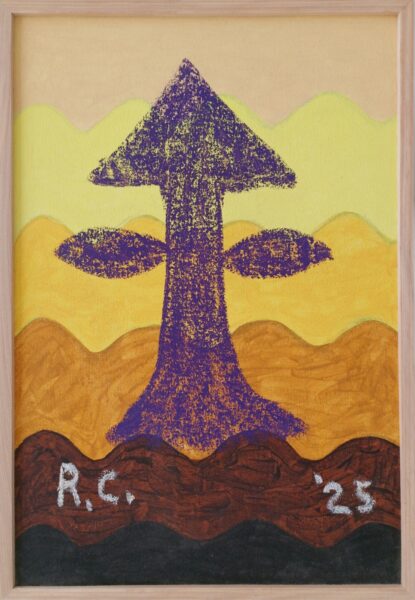
Analogous Inflora
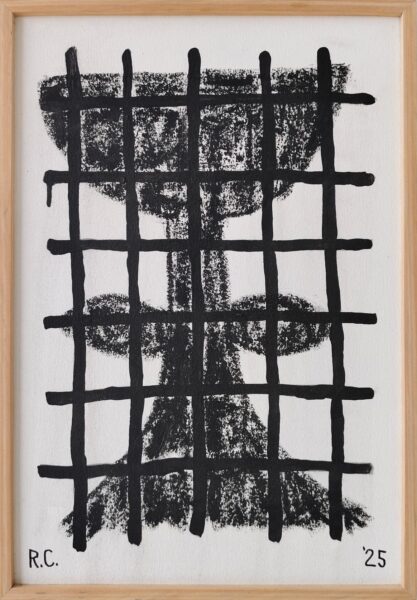
Flower Inside Fence
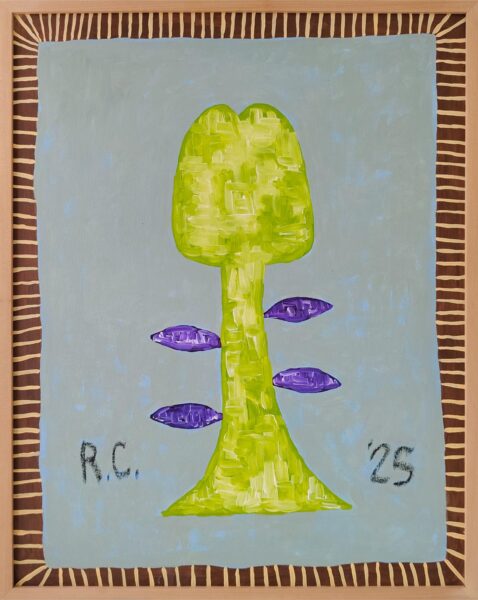
Male Flower
Female Flower
The Garden
Bloom In Color Value
Flower of the Color Wheel
Documentation