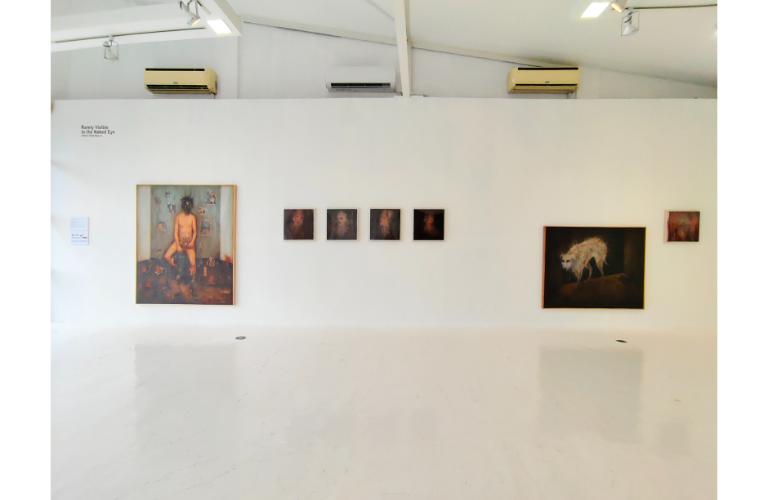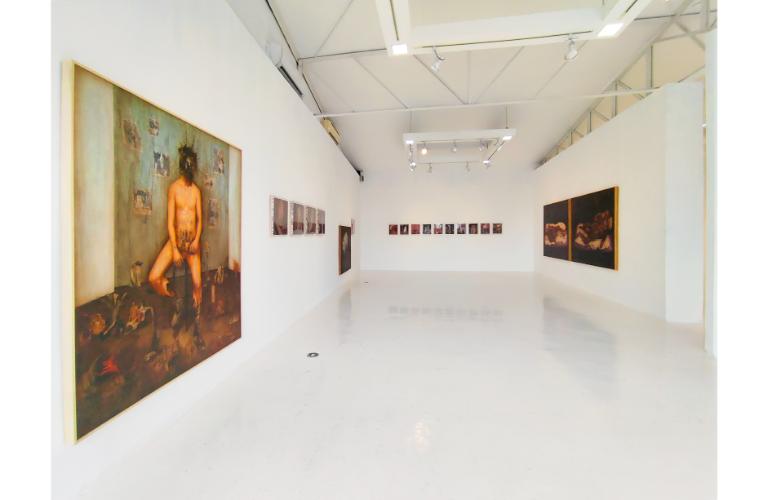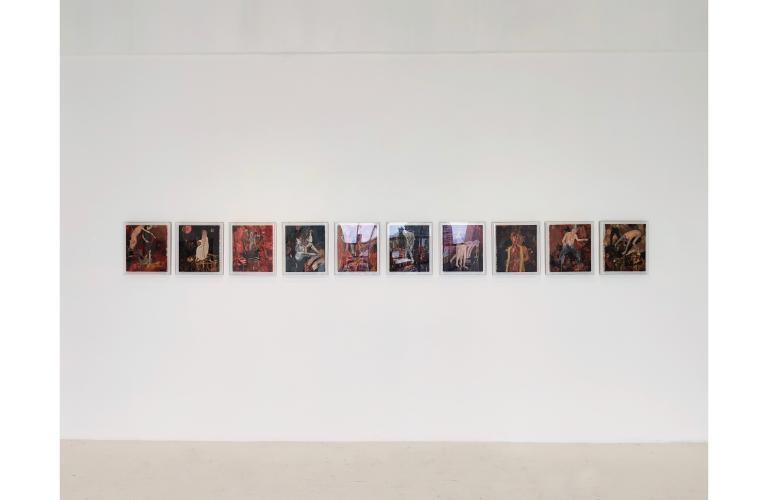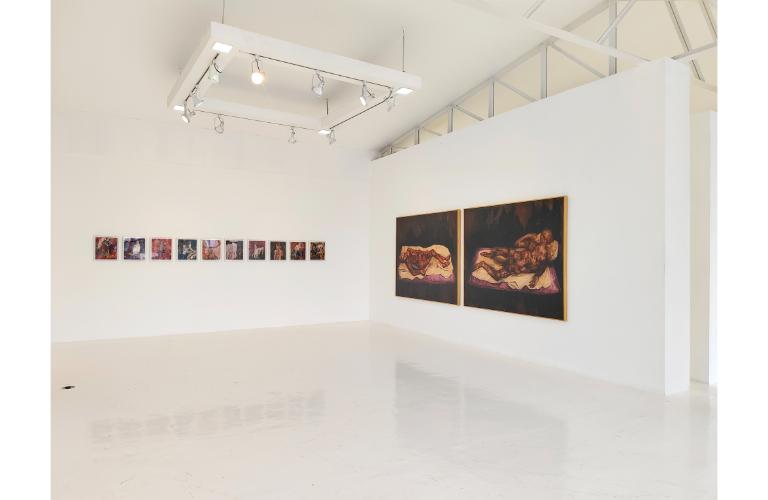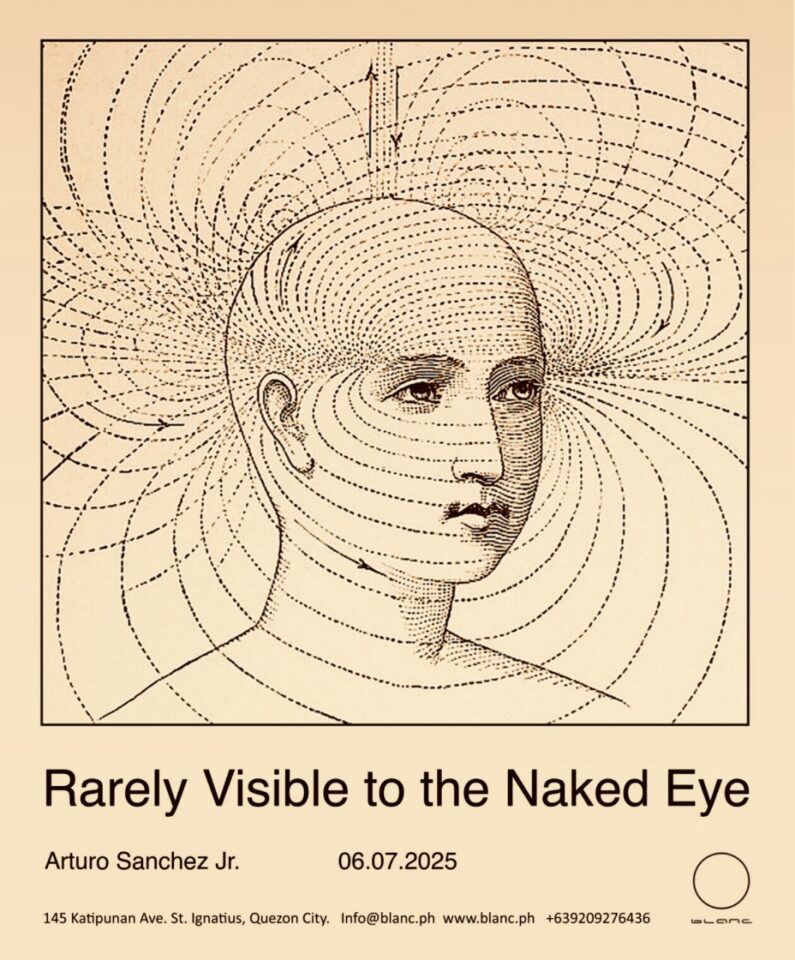
What is visible and not visible mingle freely in Arturo Sanchez Jr. ‘s Rarely Visible to the Naked Eye. It hints at the unseen and fleeting or imagined imagery that reflects the artist’s mental wanderings. Using layered visual cues, Sanchez dissects the emotional ambiguity that permeates his works in this series. In hindsight, his works are mere hallucinations that act as a key series in a larger exhibition.
He is driven by a couple of themes and concepts that motivates his works’ inner workings:
Perception vs. Reality
The show’s title suggests a concern with things that are subtle, concealed, or overlooked. It plays with the idea that truth or presence is not always immediately visible—requiring closer attention, or perhaps emotional or psychological insight, to perceive. In this way, Sanchez offers different ways of seeing what is presented (whether explicitly or not).
Layered Visual Experience
Given the use of collage, resin, and mixed media, the title aligns with the aesthetic language—where meanings are embedded within layers, mirrored reflections, or fragmented compositions. Toeing the line between the majestic and the macabre, his works offer multiple ways of seeing the sentiments that the artist imbues into the works.
Mental or Emotional States
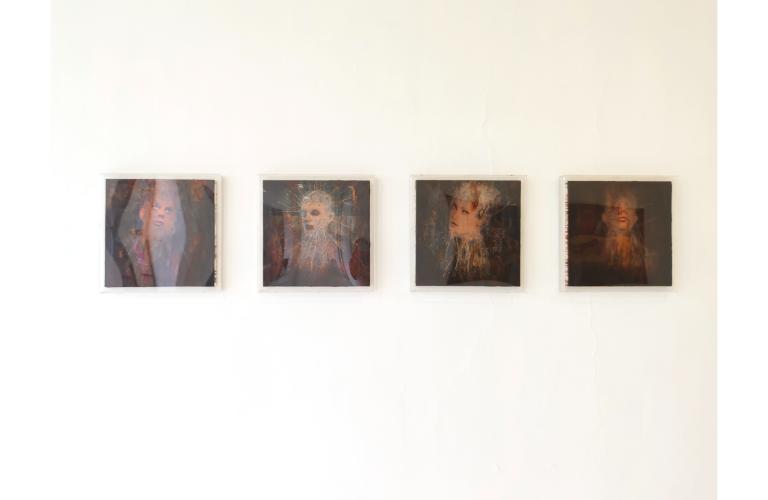
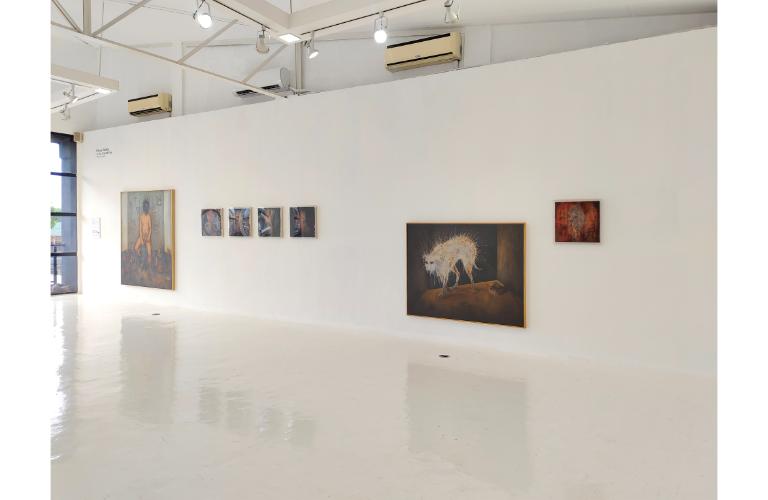
The phrase “rarely visible” mirrors recent exploration of internal experiences, such as memory, longing, disassociation, or fragmented identity—elements that are not easily articulated or seen on the surface. His series of portraits titled “Hallucinations” offer a glimpse into the various mental or emotional states that the artist imagines onto the canvas.
Scientific or Observational Tone
The phrase “to the naked eye” also brings a slightly scientific, even clinical or observational tone—hinting at something that could require metaphorical “microscopes” (i.e., deeper introspection or analysis) to fully understand or appreciate. His works titled “Soul Paintings”, for example, offer an almost anatomical treatment of various states of being, yielding various ways of seeing for the viewer.
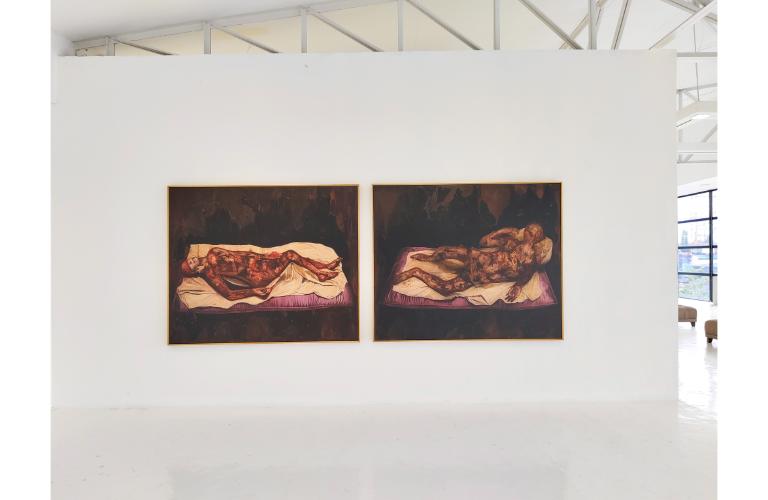
Looking at the works in the series feels like an almost surgical approach into the artist’s mind, baring the flesh and bones of his thoughts. The paintings feel like different body parts laid out on an operating table, enticing inquiry and observation. We’re very much welcome to look.
Nikki Ignacio
Works
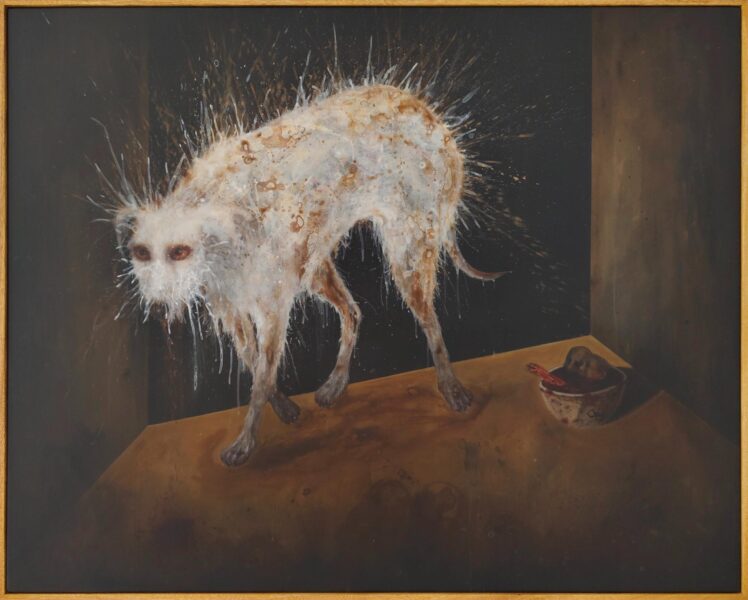
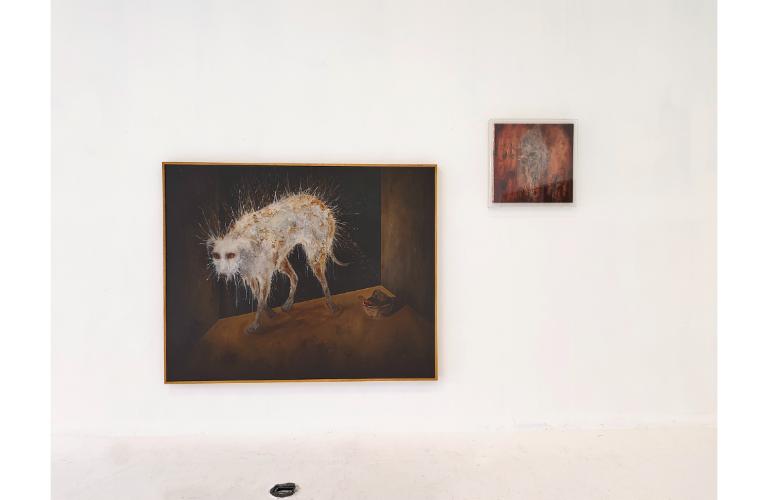
Dog Eat Dog
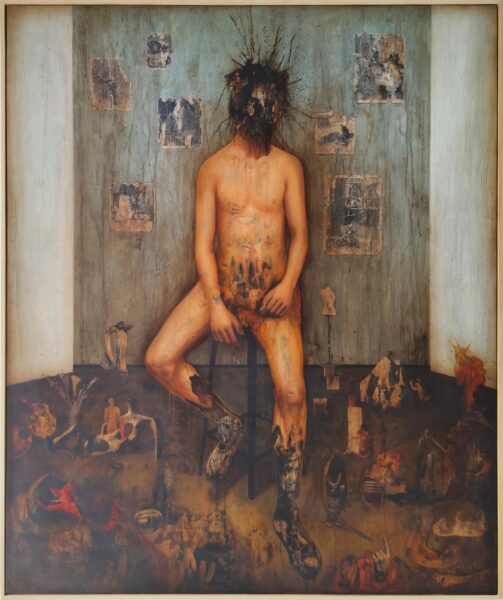
The Invention of Hysteria
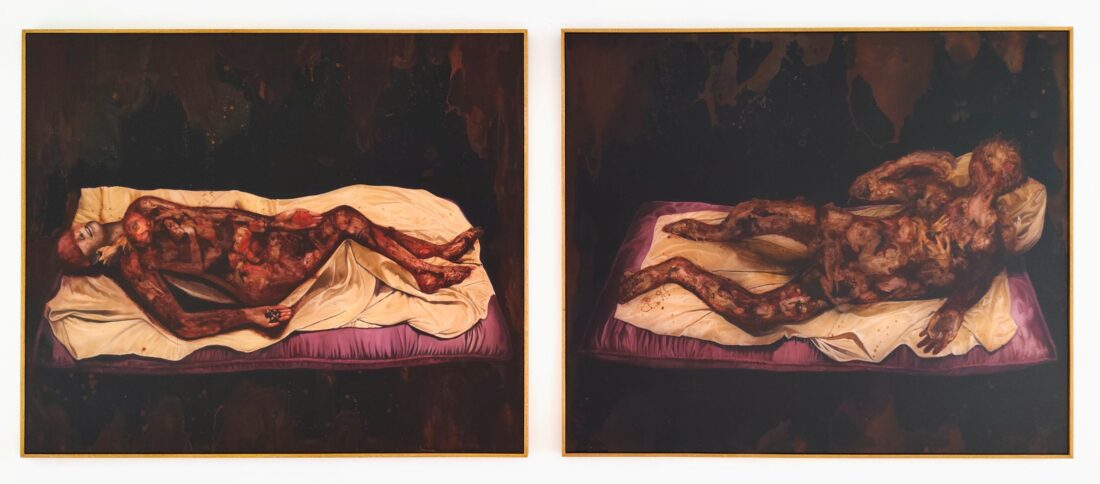
Whole Body Specimen in Oblivion
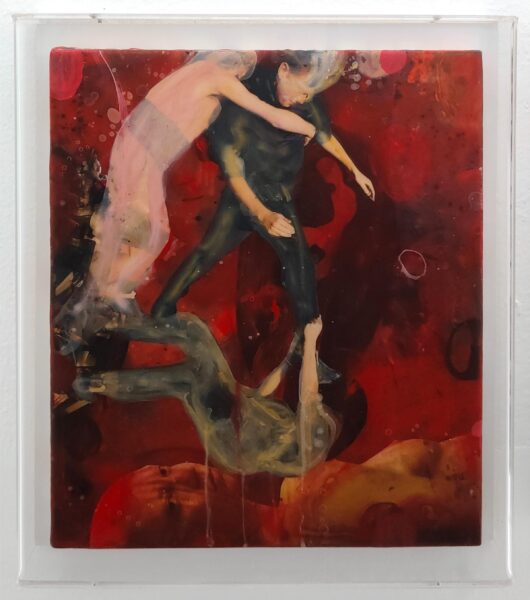
Soul Painting 1
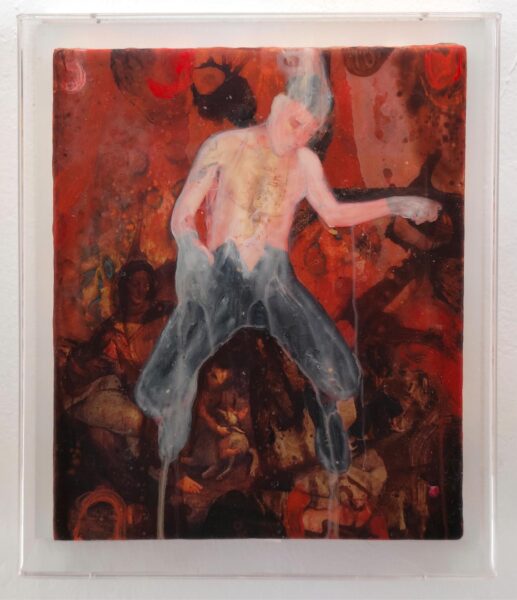
Soul Painting 2
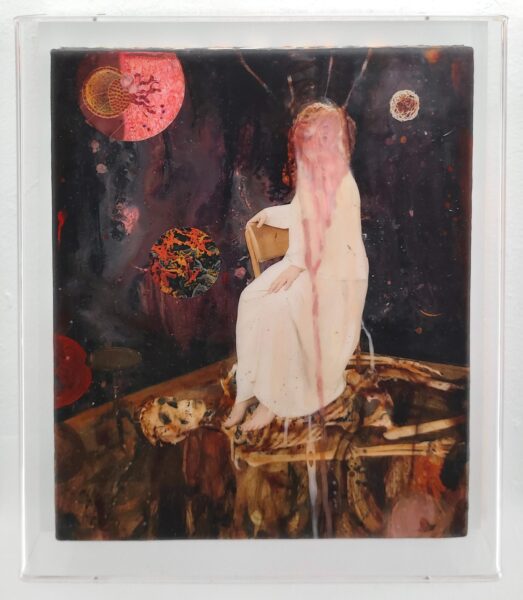
Soul Painting 3
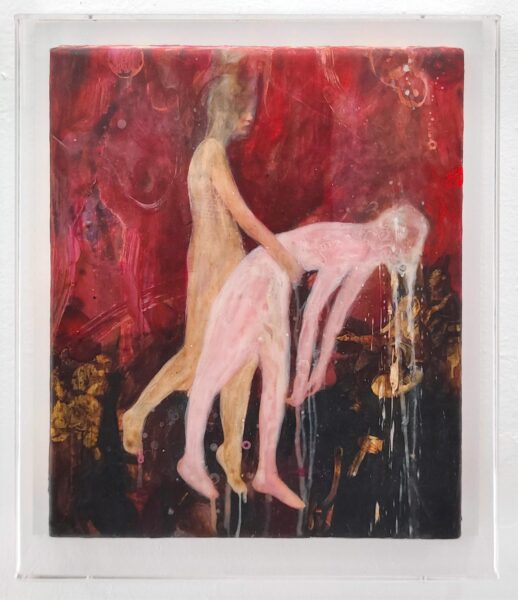
Soul Painting 4
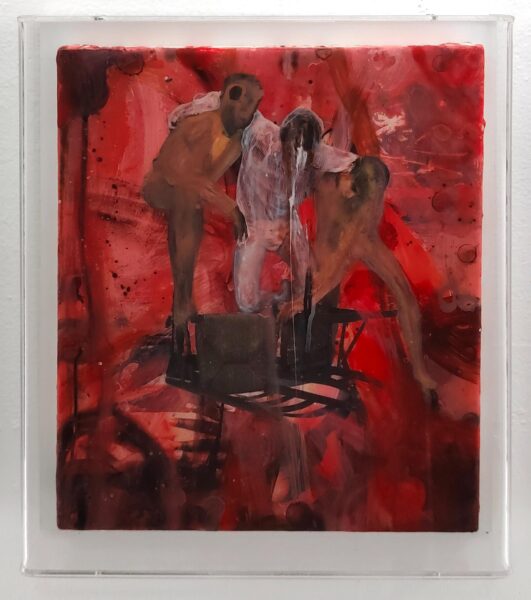
Soul Painting 5
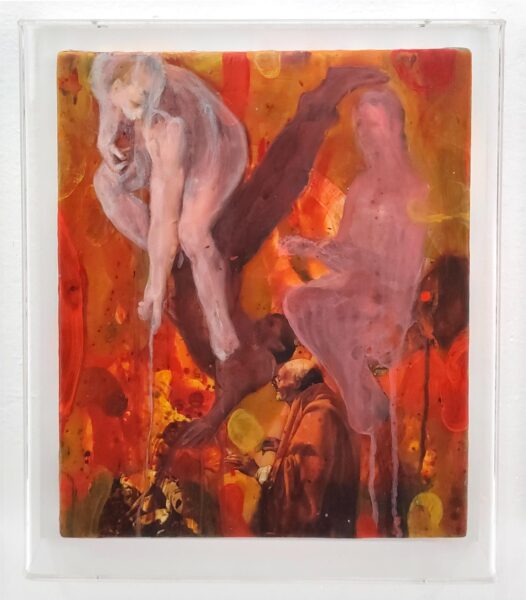
Soul Painting 6
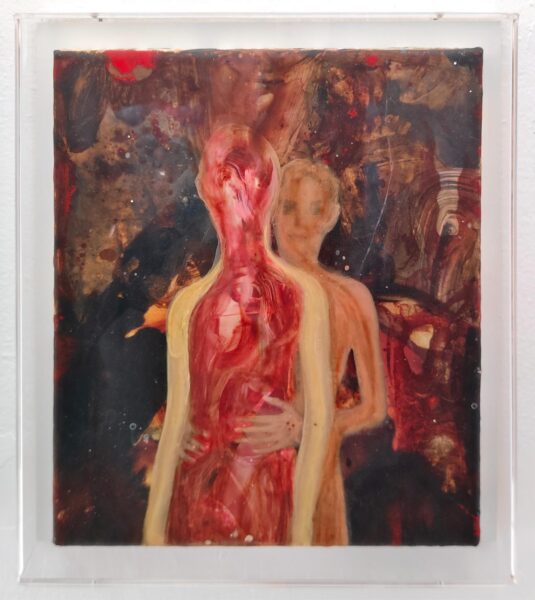
Soul Painting 7
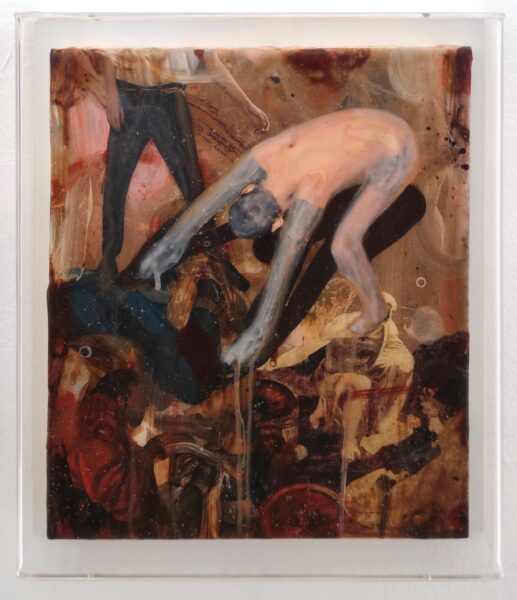
Soul Painting 8
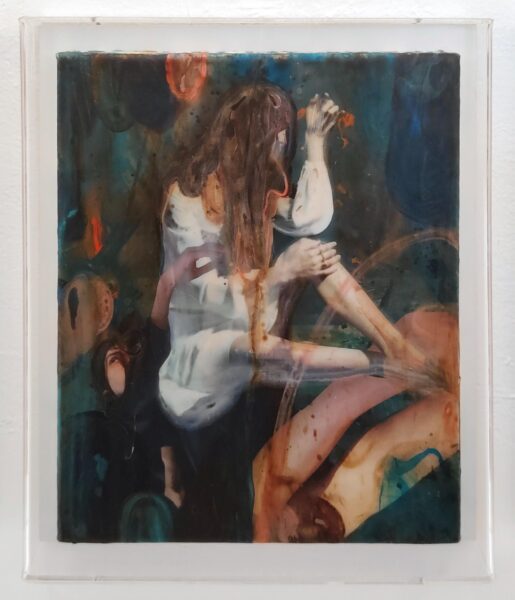
Soul Painting 9
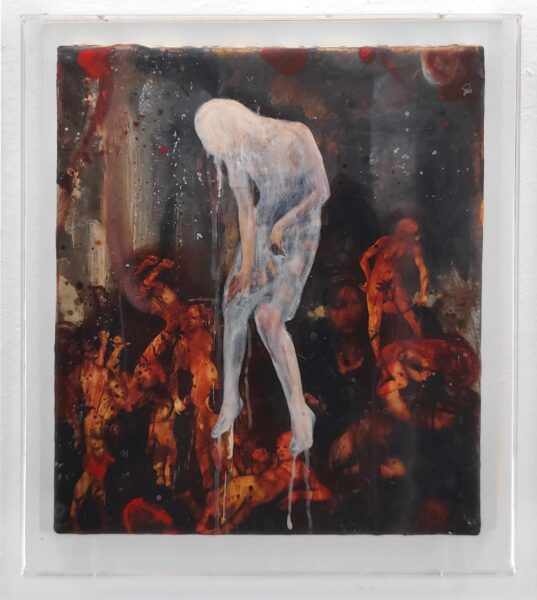
Soul Painting 10
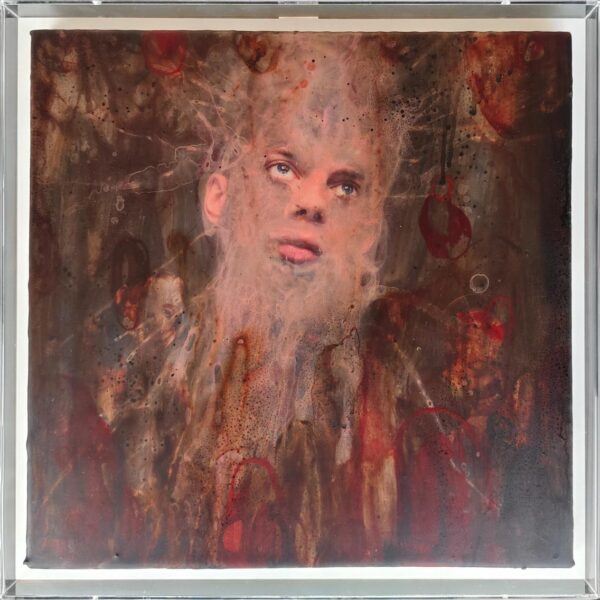
Hallucination 1
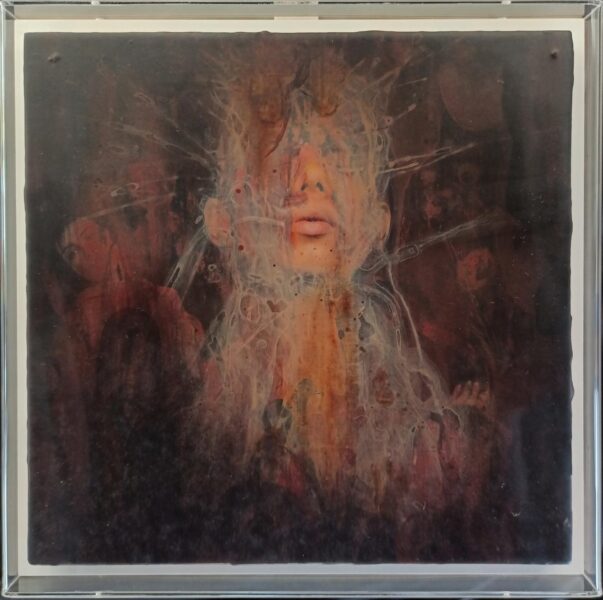
Hallucination 2
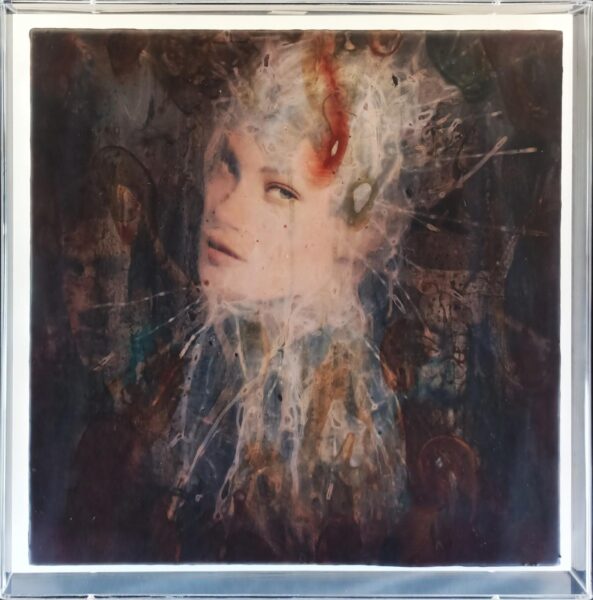
Hallucination 3
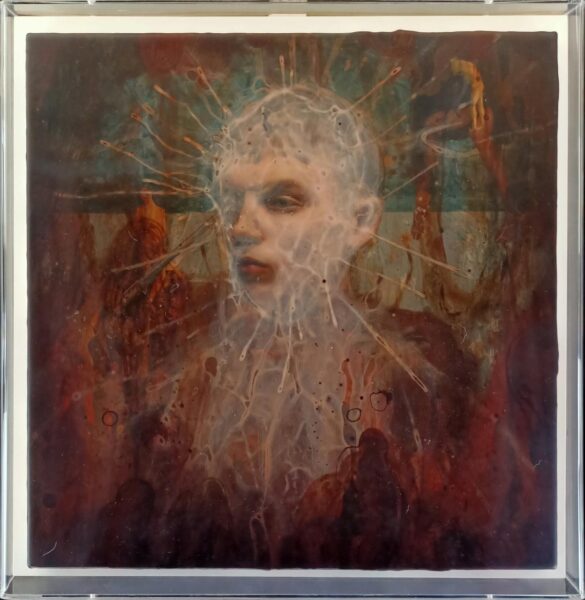
Hallucination 4
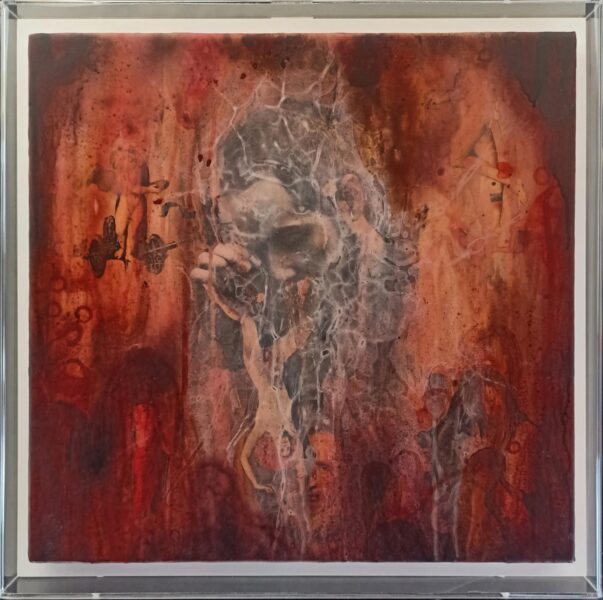
Hallucination 5
Documentation