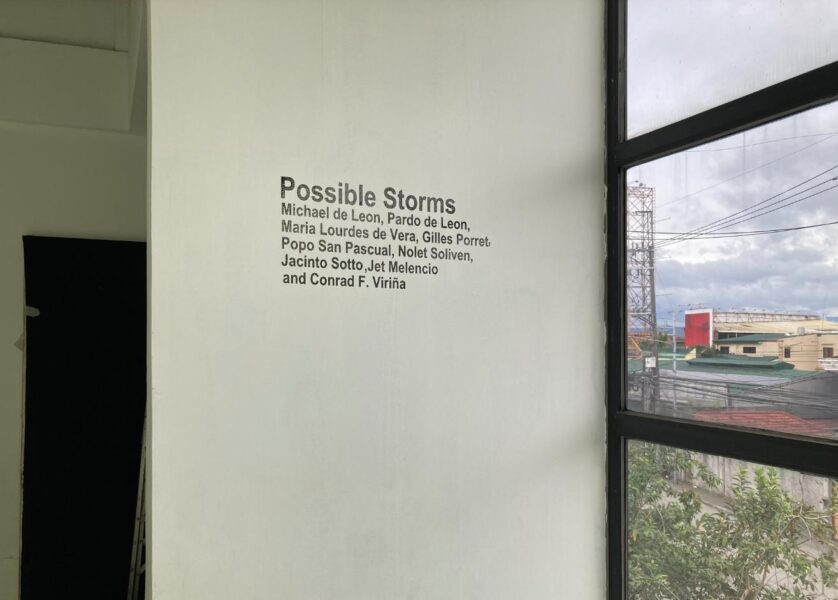
I had often pondered the concept of time as the fourth dimension, but only lately have I begun to perceive time as distance. Thus, I began to see memory as a form of time travel; the mind a time machine traversing existential terrain. If time is the dominion of mind, then imagination might be the fifth dimension which only through art can we venture to explore.
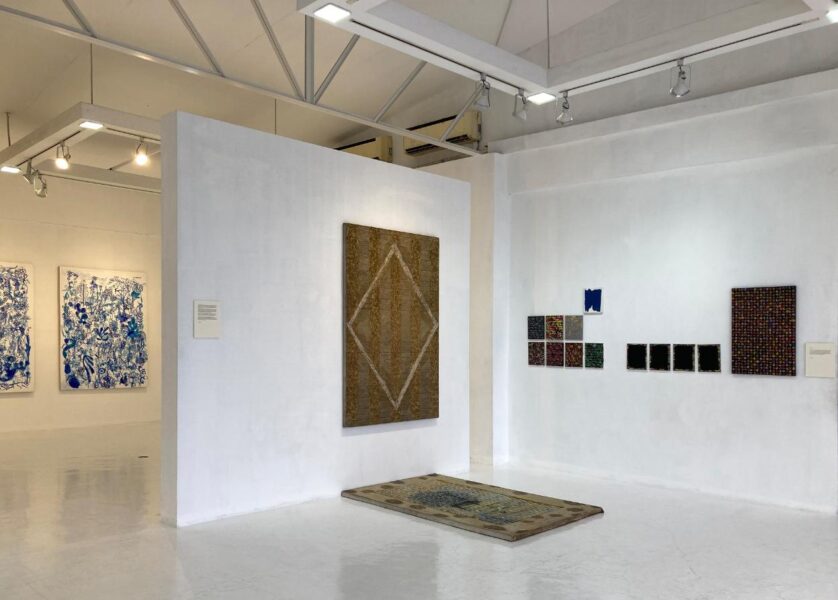
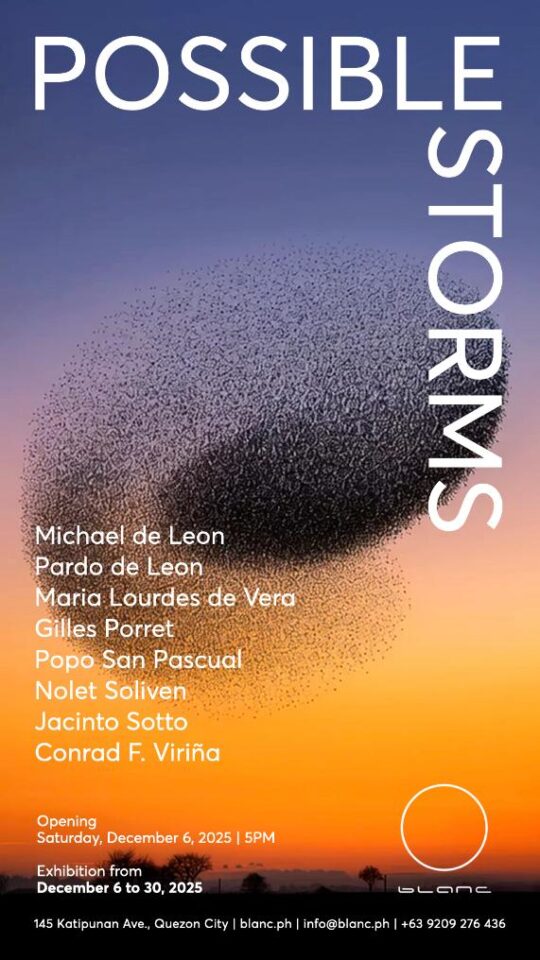
Possible Storms gathers a motley constellation of outliers who offer remote views into obscure corners of human perception. Émigrés of time and place—exiles by choice or circumstance—their works arrive like cryptic telegrams transmitted in an esoteric language. Operating on the margins of a society rabid with polarities, each artist follows a lucent intuition insulated from the pervasive programming of algorithms and the hive mind.
Independently, they chart the topography of human nature—its ruins, its echoes, its murmurations. They generate their own weather systems both internal and cosmic. Pathfinders across temporal and perceptual borders, they inhabit the edges, sending back dispatches that challenge translation.
The value of art lies in its potential for expanding the limits of our consciousness. Its function is the self-perpetuating examination of our humanity. Evidence of this exists in small gestures as much as in momentous forces that shift paradigms. In Possible Storms, imagination becomes a dimension we can inhabit- one that reshapes the boundaries of what it means to perceive, remember, and feel.
– Jet Melencio
Gilles Porret
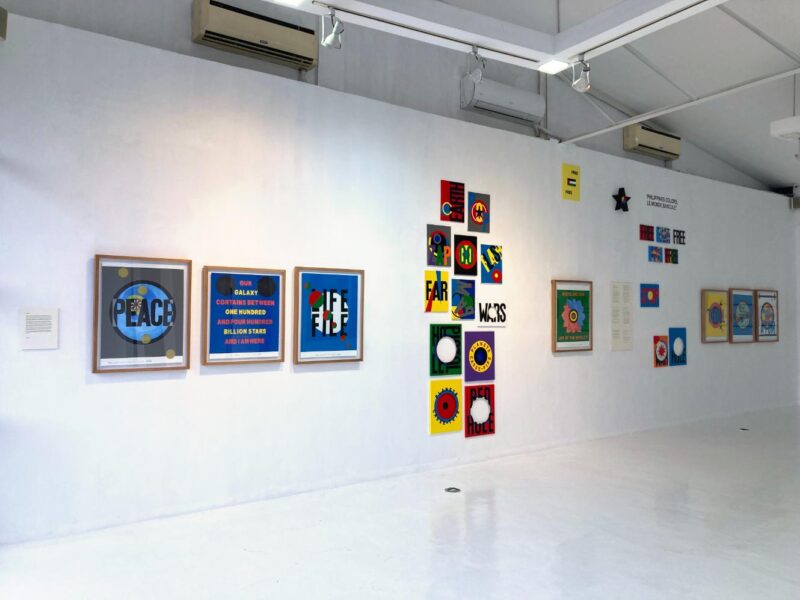
Retreating from a hostile world in freefall towards self-obliteration, Gilles Porret has found what he describes as “a fairly calm, pleasant” refuge amidst “the vast forests, small villages, local farmers, rice harvests” of Northern Samar which “still has a connection to wild places”. An analytical world view mapped out in a hierarchy of colours and symbols is encapsulated in Porret’s new series, “Philippine Colours, Le Monde Bascule”. The meaning of colour is central to Porret and is the fundamental language of his work. He translates his observations and impressions into signs and diagrams rendered with graphic flatness accentuated by precise cutouts. An early work in the series, “Under the Eye of God”, shows a simplified eye centred on a diagonal plane to suggest three dimensions. Within the 2D context of “Philippine Colours”, the God Eye exists in hyperspace removed from the world. Works incorporating words occupy the next level in the semantic hierarchy. “You” and “Me” are icons of simplistic harmony faceted in primary hues on fields of cerulean blue. Warnings and emblems such as “Free”, “Stop”, and “War” bounce in emphatic rhythm across the body of work. “Where are You Joy of the World” is a plaintive and direct evocation to those mourning paradise lost while “Planète Casse-Pipe (Planet Death Trap)” and “Planète Casse-Tête (Planet Puzzle)” employ idiomatic expressions to express alarm and incredulity. Succeeding works in the series are more illustrative of a situational awareness of Philippine culture and are characterized by chromatic motifs and a graphic sensibility identifiably local in spirit.
Nolet Soliven
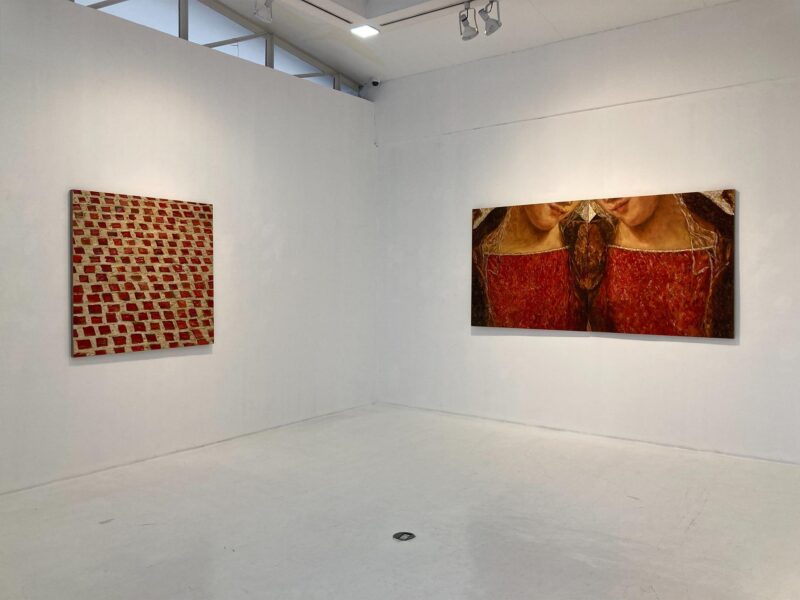
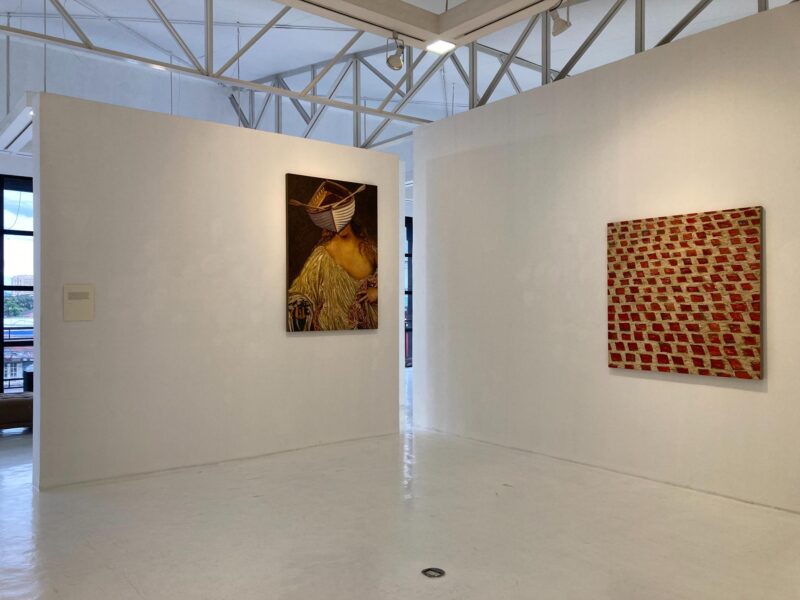
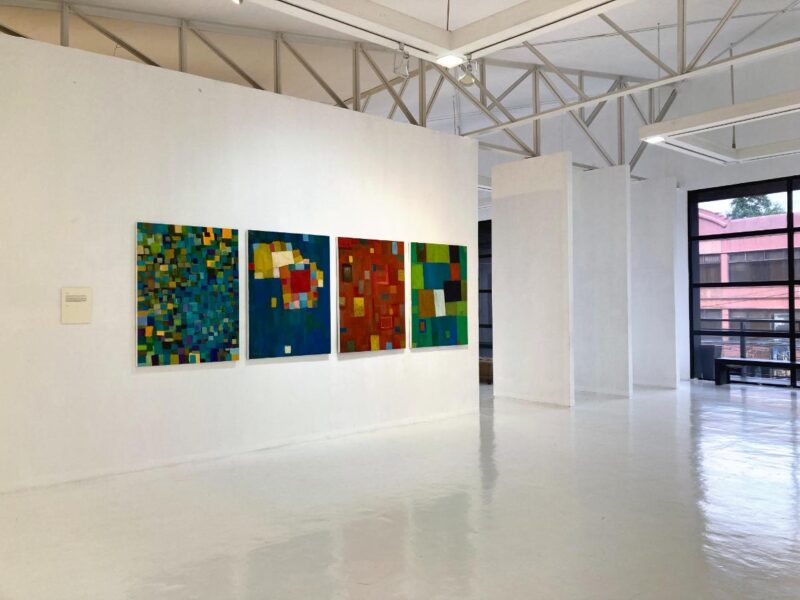
A near fatal event more than a decade ago left Nolet Soliven non-verbal and with partial paralysis, struggling to process words and images. Through persistence, he regained mastery of his dominant left hand and began a new series of paintings composed entirely of “pixels”. Organically proliferating, they dwell on the canvas in tenuous layers, flickering between tactile flatness and prismatic depth. In place of the formal complexity of his early work, a purely abstract language has emerged breaching barriers of comprehension. Individual in shape, color, size and texture, each pixel exists as a unit of painting laden with a quantum intent. Through accumulation, they collectively generate a surface tension which brings the work into coherence. Is he describing this world we live in or a higher state of being that transcends material existence?
Michael de Leon
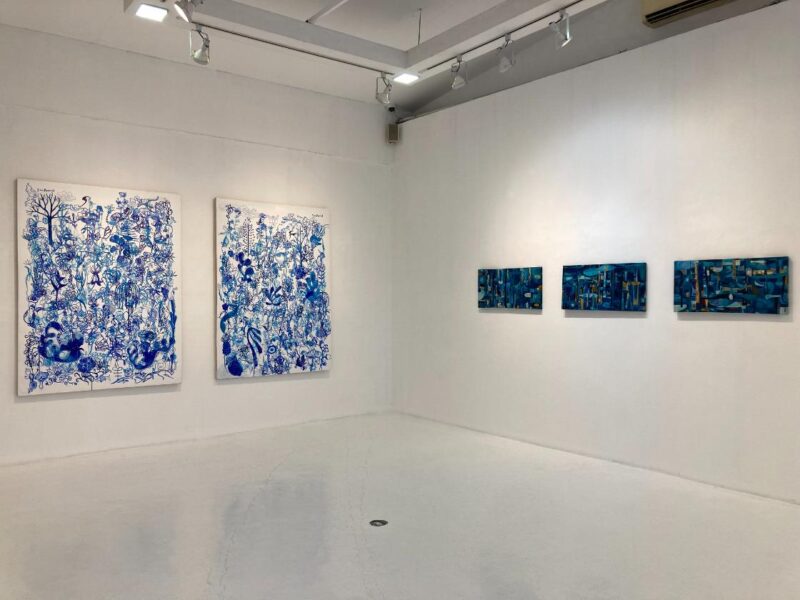
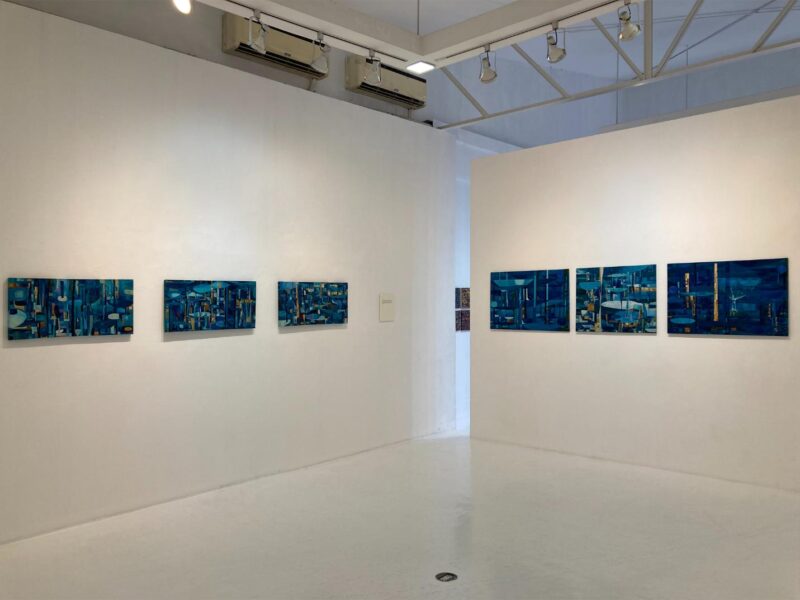
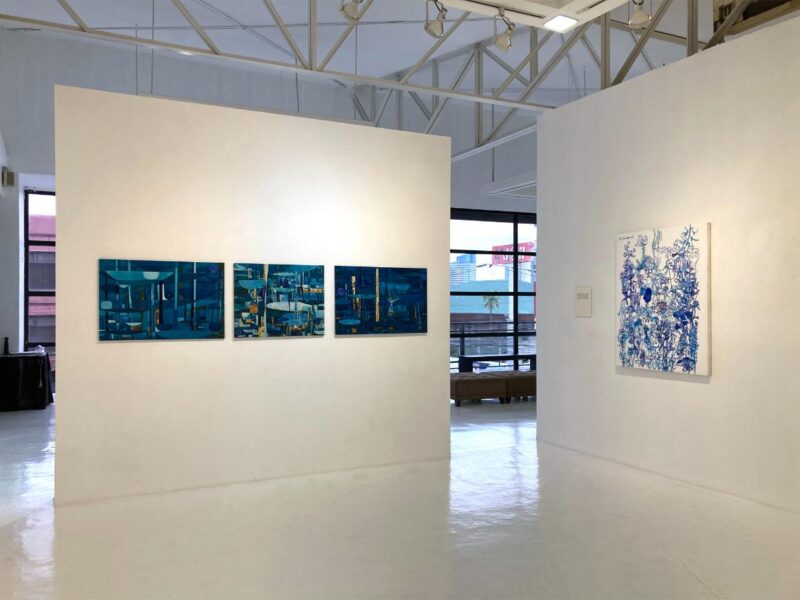
Michael de Leon projects the image of “The Narrow Gate” as a doorway into his nascent suite of paintings. He summons these passages as an allegory to “The Garden”- a metaphor for “our pilgrimage through a fallen world”. Uninhabited, this subliminal realm invites immersion and introspection. Crystalline atria ignite interminable fascination; they are also a trap, a mirror maze, inchoate chambers where latent desires lie awakening. Yet these endless blue spaces contain facets of warmth and brightness that banish apprehensions and abandon us to a sense of wonder. De Leon likens the occurrence to “when my mind used to race from listening to the music of my youth.”
Pardo de Leon
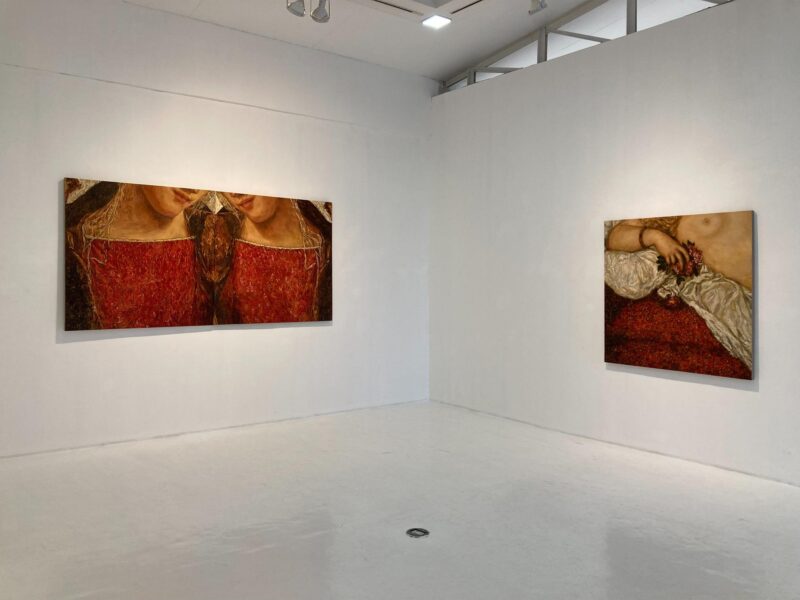
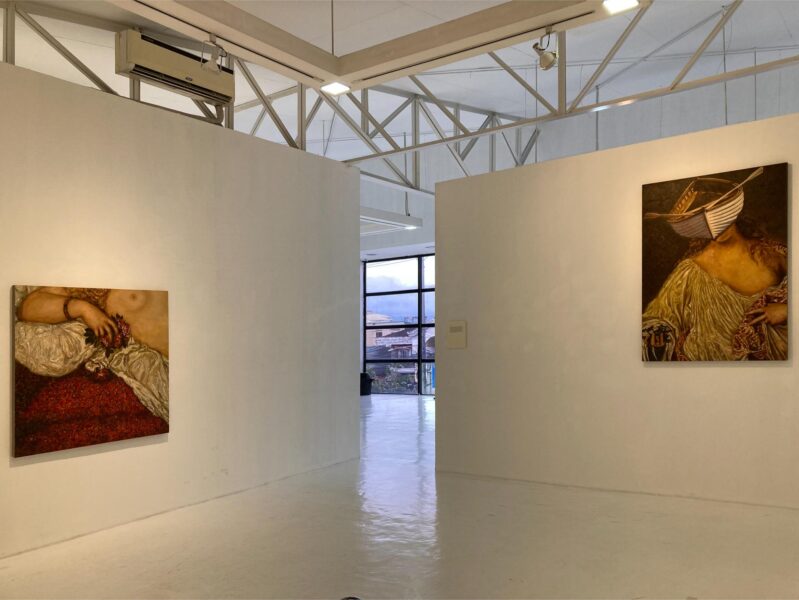
Patterns within patterns are integral to Pardo de Leon’s practice resonating throughout her body of work. In this latest configuration, she continues her appropriation of women from classical painting, reframing their sensual contradictions through abstraction and adding another compelling interpolation to a persistent and transformational fugue. A recurring montage is that of an object projecting from a figure’s head suggesting an eruption of consciousness, in this instance a rowboat virtually obliterating the head of a muse by Titian. The rowboat is itself a refrain, first appearing as the skeletal frame of a suspended kayak in “The Clear Light” an installation from 2010. Venetian floors also recur in a mosaic design by Scarpa, its red squares reflected in the bodice of the mirrored image taken from Penacchi, and in the stack of pillows underneath the detail of a Titian nude. Small bouquets of flowers are held by both figures from Titian as if passed from one to the other like a ritual charm.
Popo San Pascual
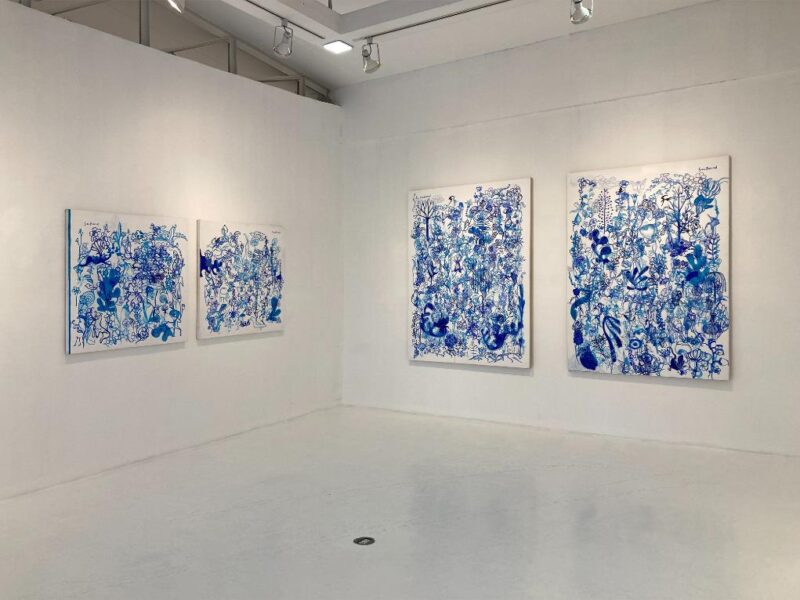
Popo San Pascual’s new series of works, “Florilegia” (sg. florilegium) derives its title from a latin term which literally translates to “a gathering of flowers”. It references some of the most lavish books of ornamental flora ever created. Painted in fluid monochrome blue over a white surface, San Pascual’s paintings depict an elaborate paradise more visionary than representational. Images sourced from oriental pottery, fabrics and botanical journals are organic in nature but twice removed from their original source. Mingling with biomorphic shapes and other chimera, they come alive in wisps of azure smoke from the artist’s brush, thriving in a primordial eden not of the natural world but of the psyche. Progressive layering abstracts the images in a process analogous to evolutionary cycles. The colour blue emanates a metaphysical presence which saturates the mind and assumes form as subject, while the images both appropriated and invented are subsumed into the vibrant ecosystem, reanimating as they are uncovered.
Ma. Lourdes de Vera
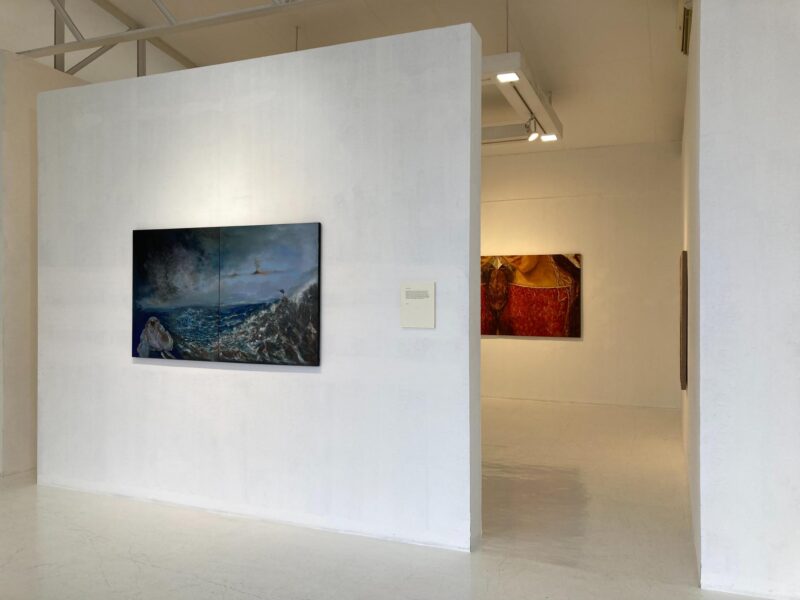
Rendered in amalgams of oil, mortar and charcoal powder, Maria Lourdes de Vera’s diptych “After Edvard Munch: The Scream” situates existential terror on the imaginary shores of an apocalyptic Bicol as part of her epic saga, “Pagputi ng Uwak, Pag-Itim ng Tagak”. On the bottom of the left panel, a female figure with the head of a crow turned white echoes the mythic silent scream against a sky laden with ash and a turbulent sea that threatens to consume her. The second panel features her counterpart, an egret turned black perched on the edge of oblivion with waves seething into mist across the jagged incline of a rocky shore, erupting volcanos ominously afloat in the celestial distance. De Vera presents us with an elegy that fuses the destructive forces of nature with the all-consuming anxieties that plague our collective consciousness.
Jacinto Sotto
Jacinto Sotto’s early abstractions employ veils of paint through which traces of other layers are allowed to be partially visible. A similar obfuscation occurs within the grids of his recent work wherein invented symbols engender the possibility of meaning. Is the obfuscation a diversion from the idea that meaning must be fixed or decipherable? Sotto’s paintings resist resolution, leaving us in a state of suspended interpretation where symbols generate possibilities rather than answers. He thrives in that unstable territory between what is shown and what is withheld, between the impulse to understand and the acceptance of ambiguity.
Conrado Viriña
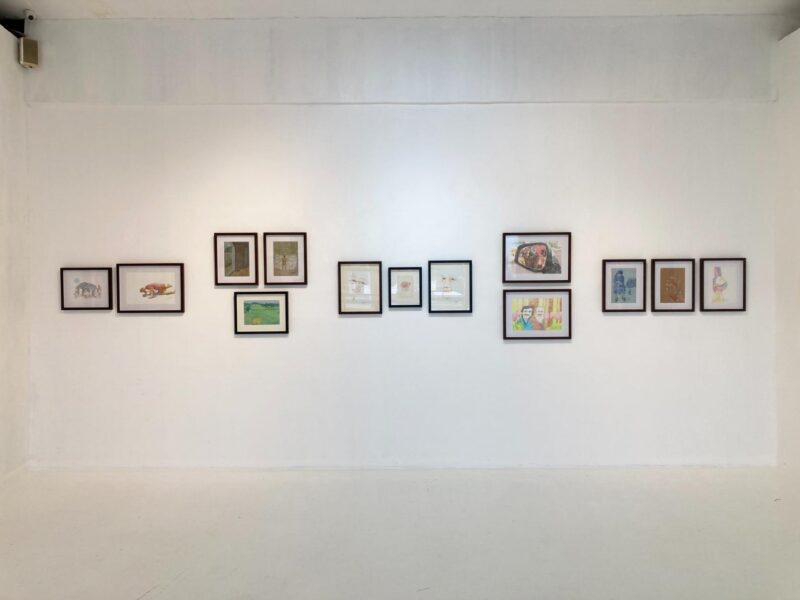
Conrado Viriña was a highly regarded creative in the field of advertising when at age 60, a life-altering event left him with partial blindness and paralysis. With his dominant right hand debilitated, he learned to write and draw with his passive left hand. Drawing has awakened a passion that transcends his limitations. Documented on his regular posts on social media, his gradual progression is remarkable, from tentative and raw early sketches to his sensitively engaged recent portraiture and anecdotal observations. In his words, “I sometimes feel there is so much I can draw, but with very limited time. Art keeps me breathing.” His left-handed drawings reveal a delicate handling of line and shade both poignant and measured. The tremulous signature belies the level of concentration manifest in their softly modulated luminosity. With a fragile unworldly refinement, he manages to capture likeness, soulfulness and atmosphere in the simplest ways without a sense of reductiveness
Works
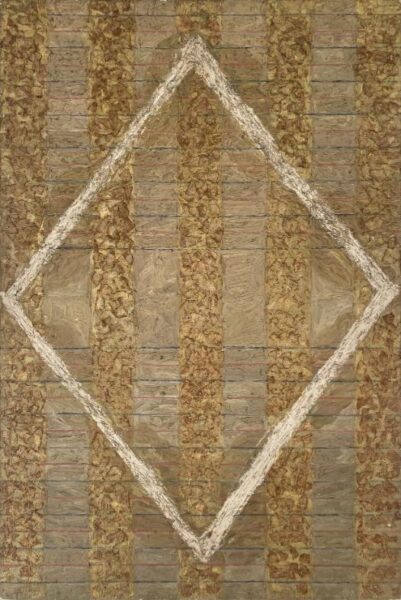
Jet Melencio - Gate of Silence
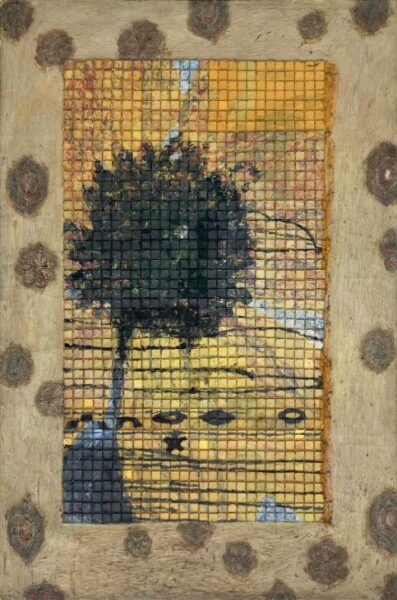
Jet Melencio - Paradiso Perduto
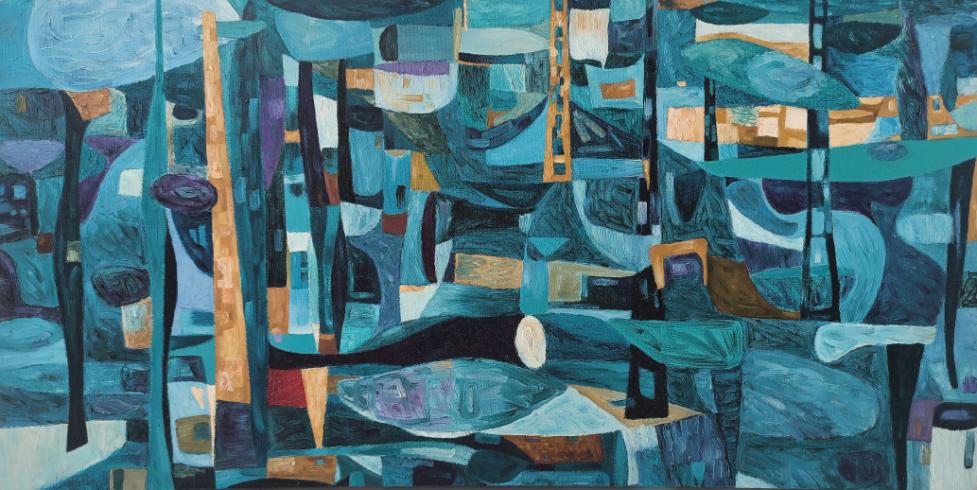
Michael De Leon - Juggled Jungle Book
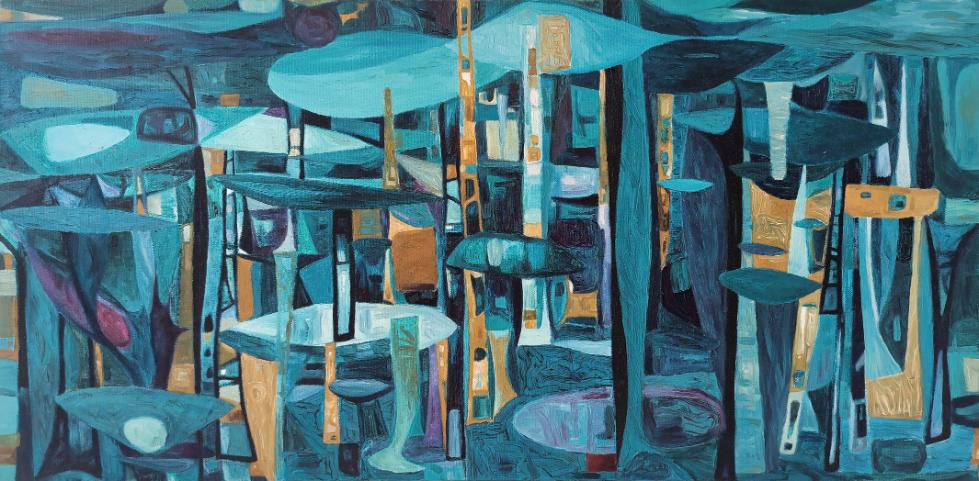
Michael De Leon - Magenta Incident
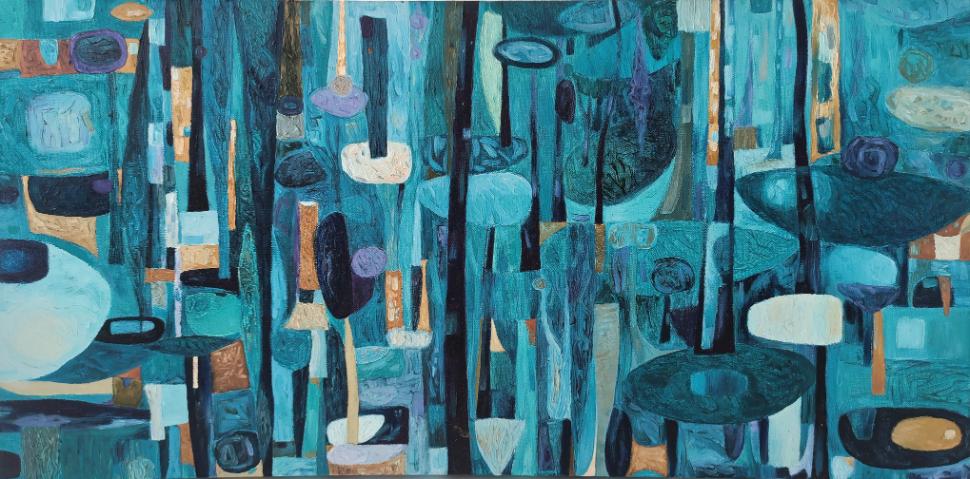
Michael De Leon - Momentum Moment
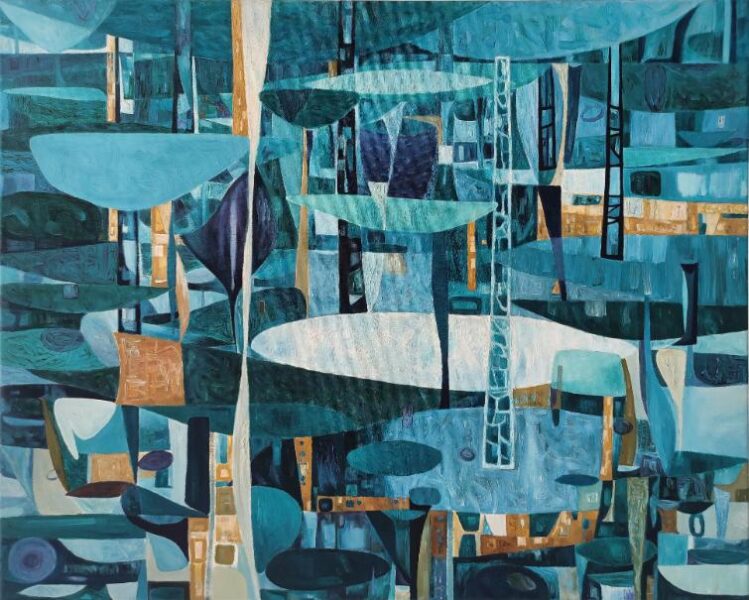
Michael De Leon - Muse Bemused
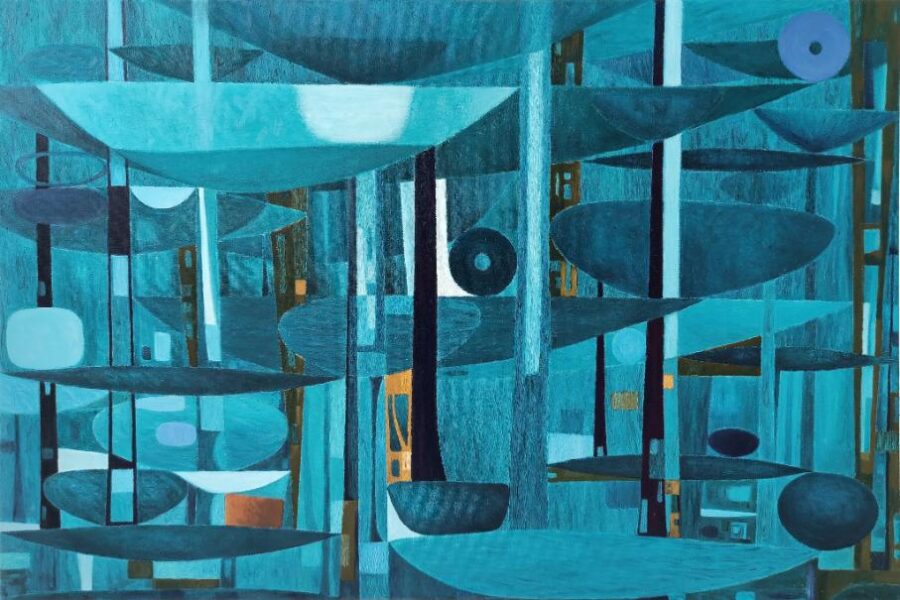
Michael De Leon - Smoke and Mirrors, Echo Chambers and Boiling Frogs
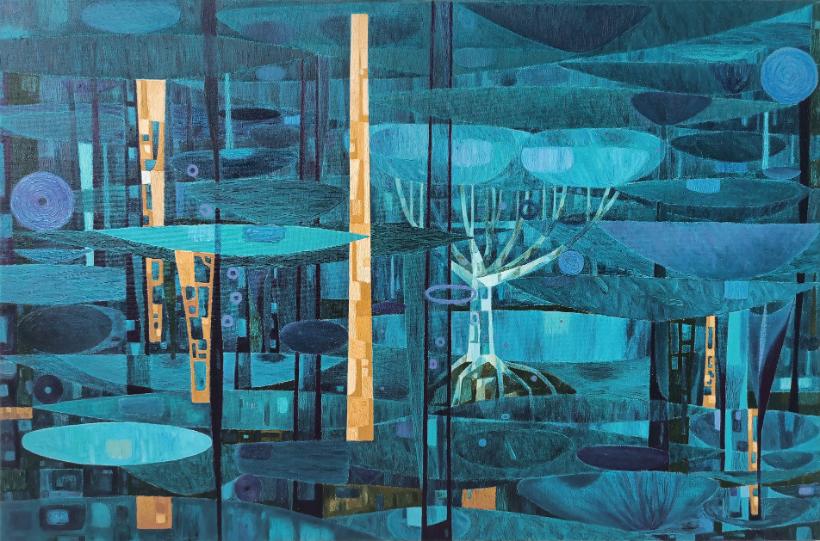
Michael De Leon - The Cult of White Jackets, Smoking Guns & Lotus Eating Prophets
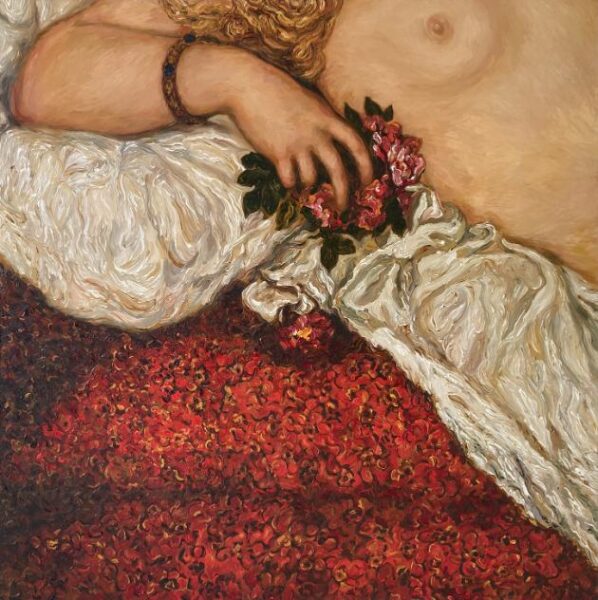
Pardo de Leon - Red Couch
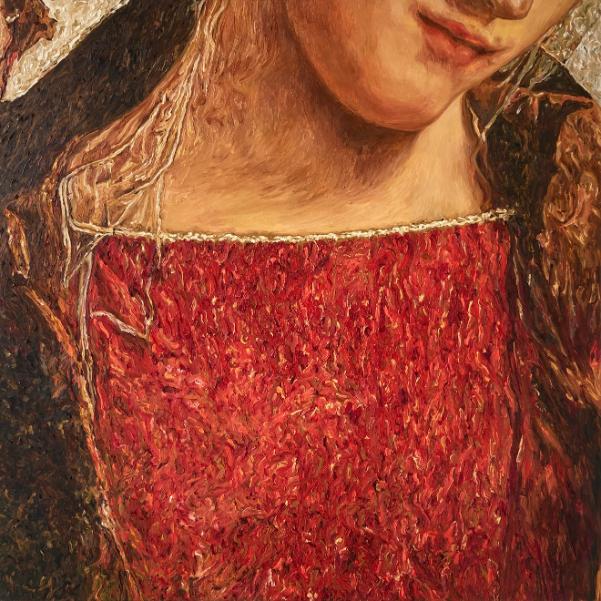
Pardo de Leon - Pennachi Twins #1
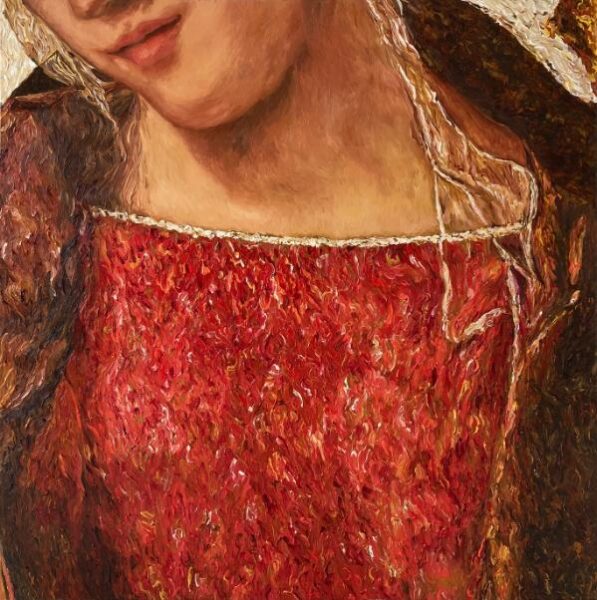
Pardo de Leon - Pennachi Twins #2
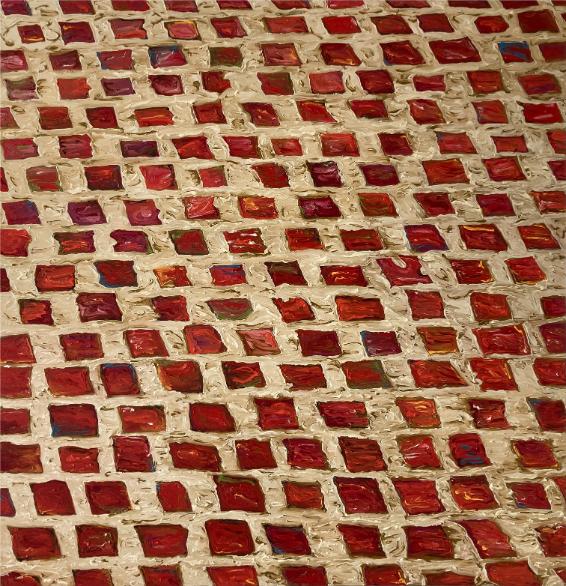
Pardo De Leon - Dizzy
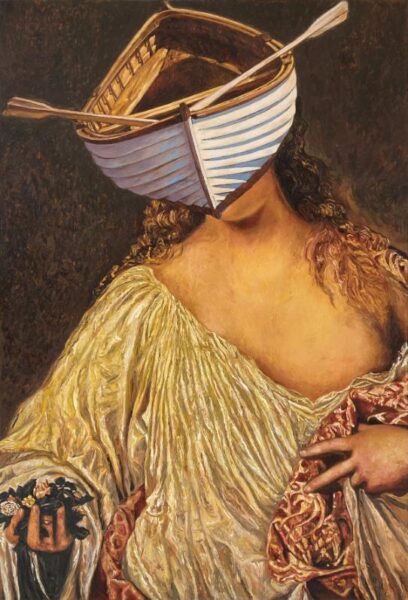
Pardo de Leon - Rower
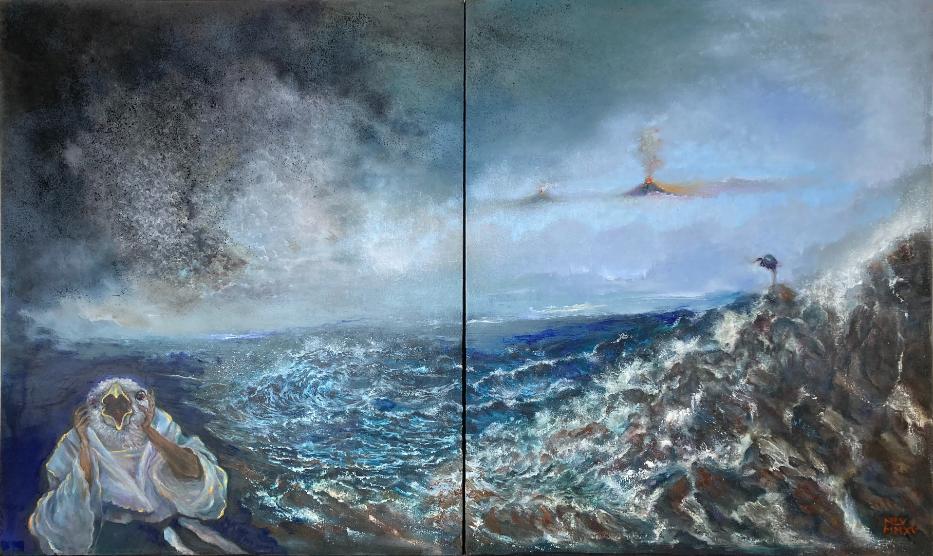
Maria Lourdes C. de Vera - After Edvard Munch The Scream (From Pagputi ng Uwak Series)
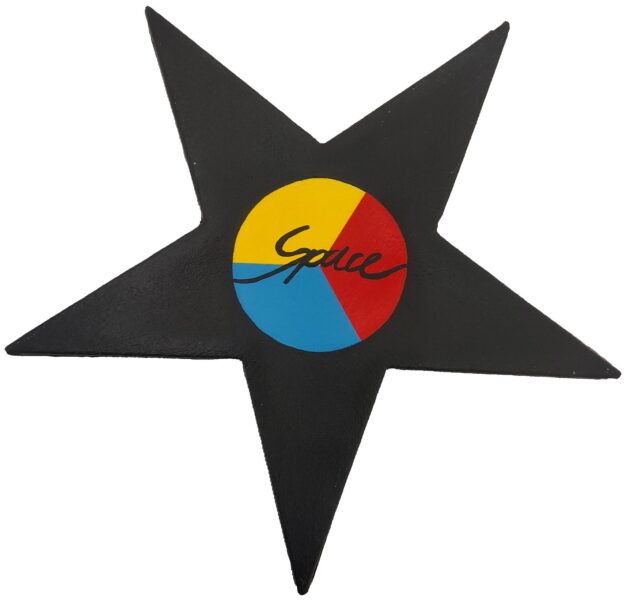
Gilles Porret - Space
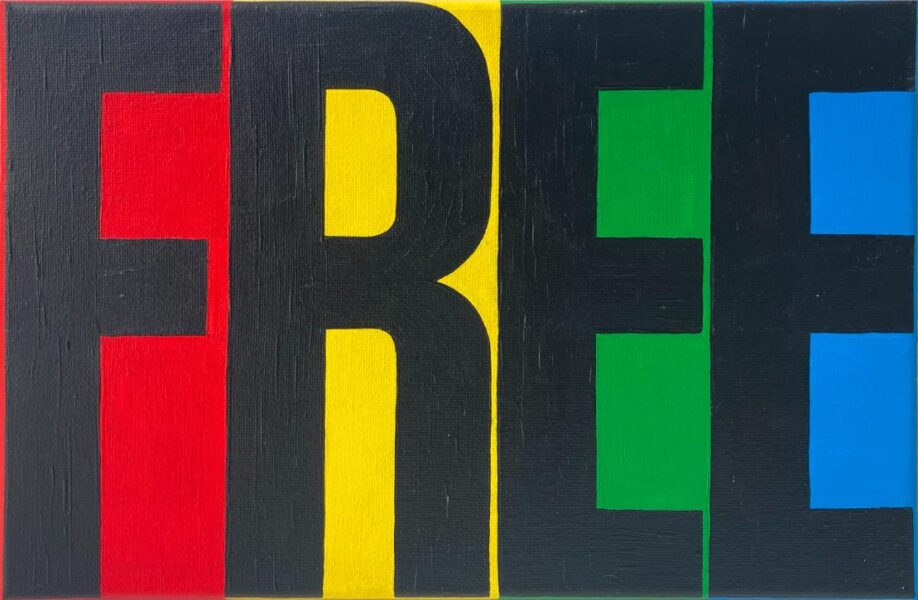
Gilles Porret - Free (Colors)
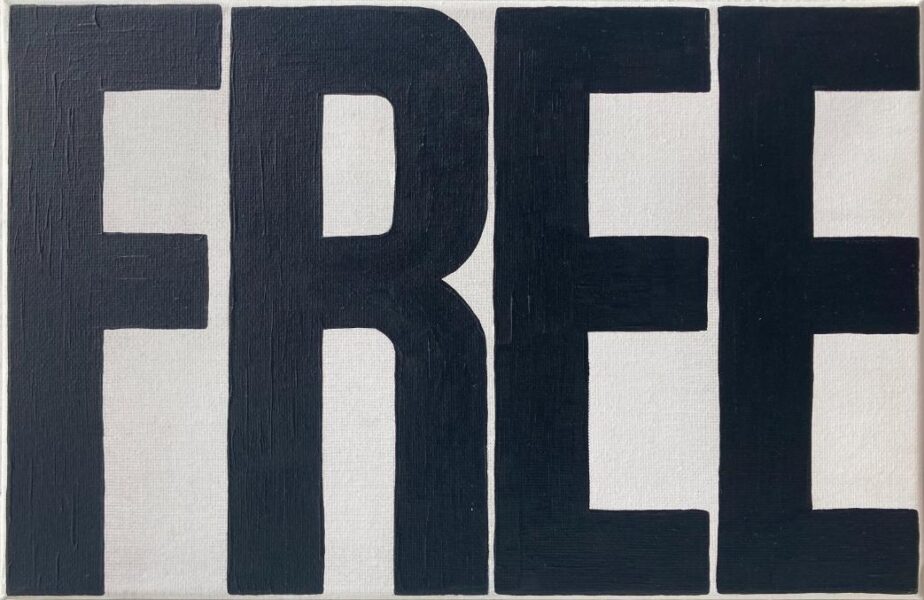
Gilles Porret - Free (White)
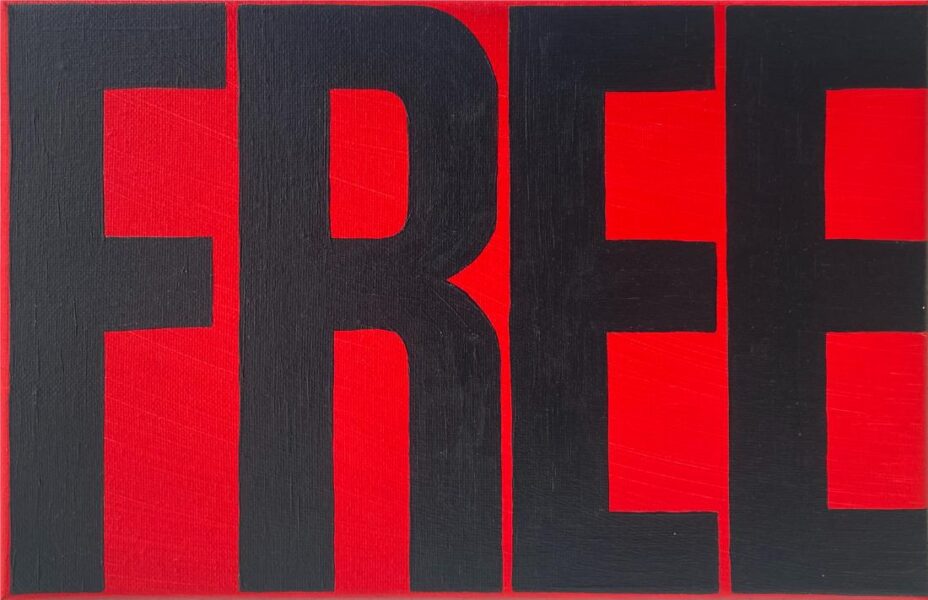
Gilles Porret - Free (Red)
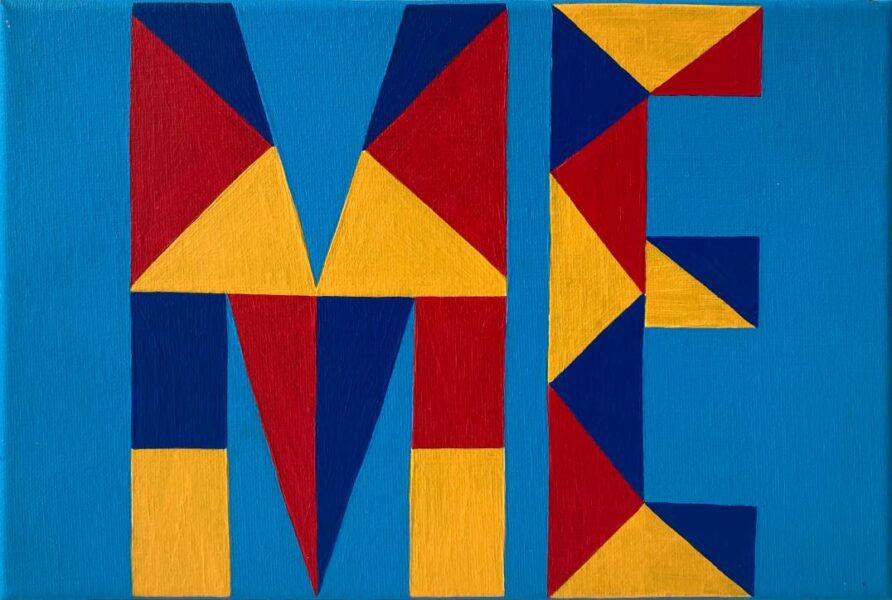
Gilles Porret - Me
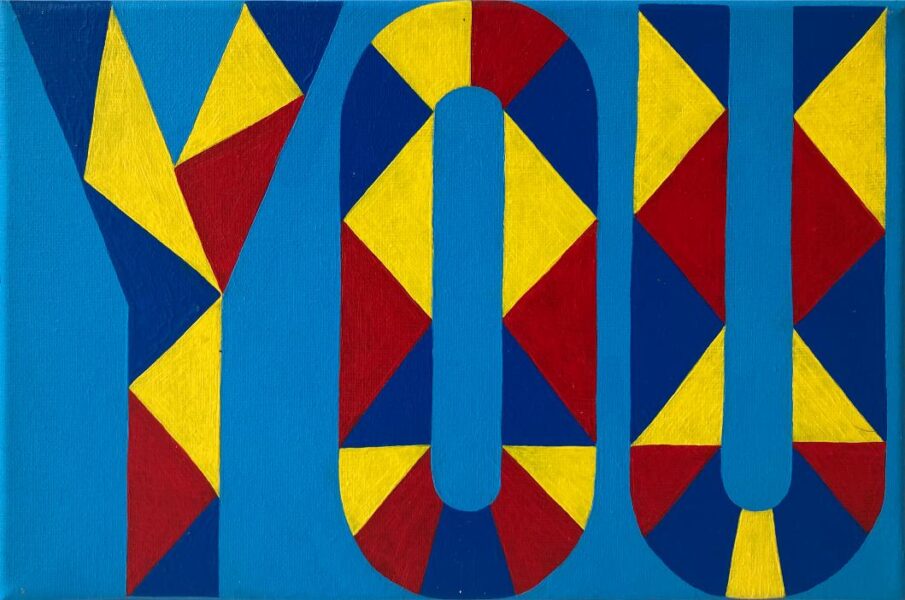
Gilles Porret - You
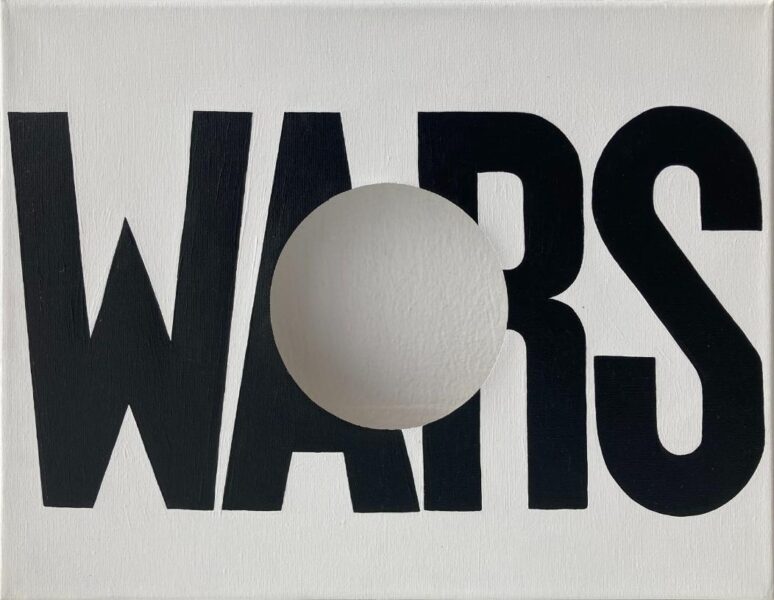
Gillet Porret - Wars
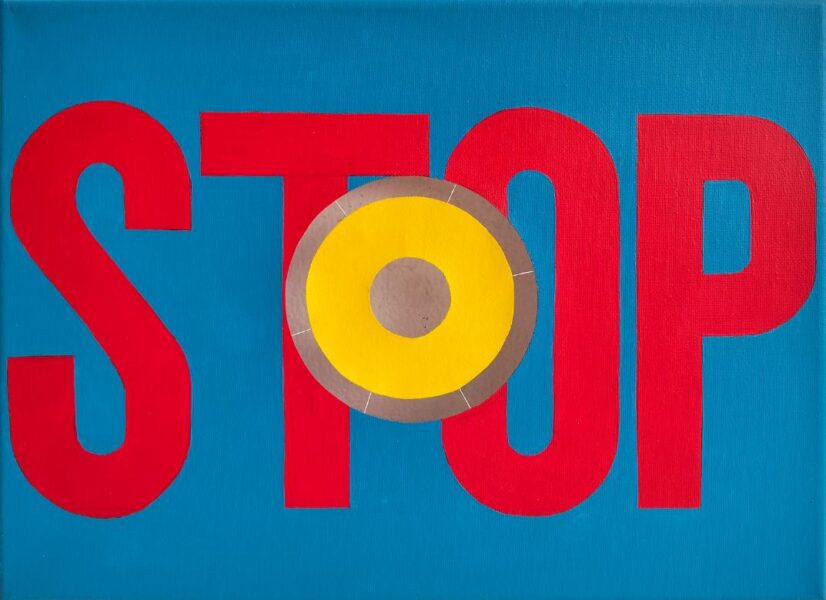
Gilles Porret - Stop
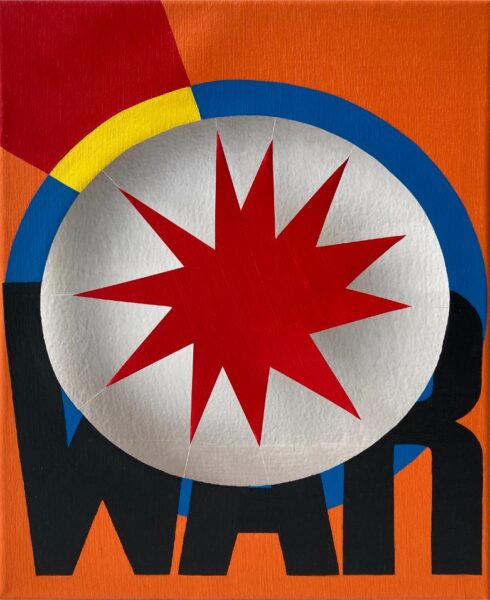
Gilles Porret - War
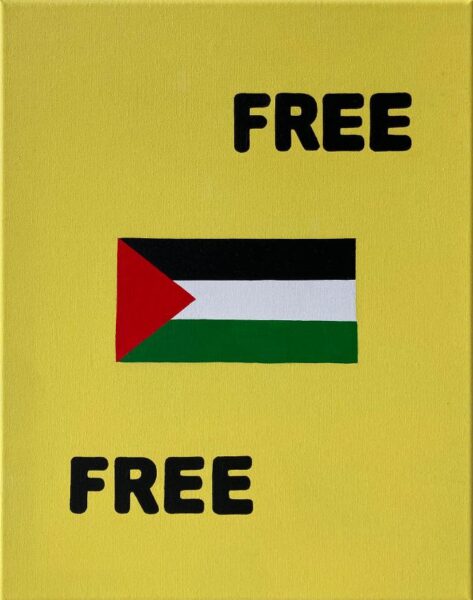
Gilles Porret - Free Palestine Free
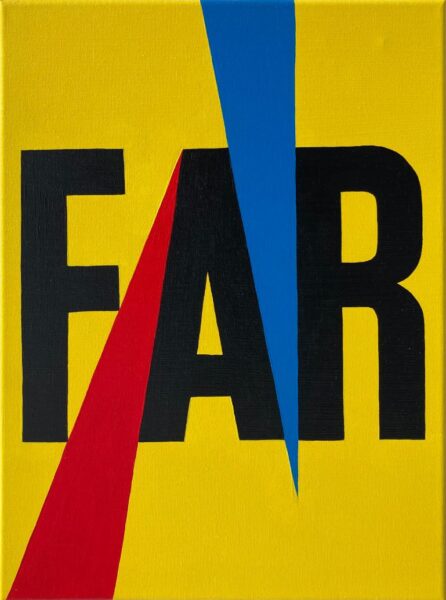
Gilles Porret - Far
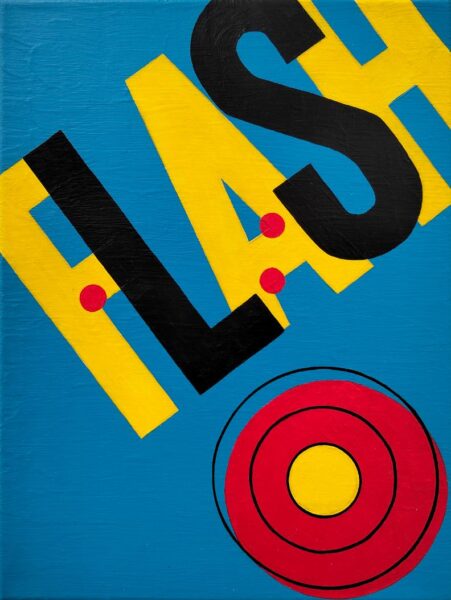
Gilles Porret - Flash
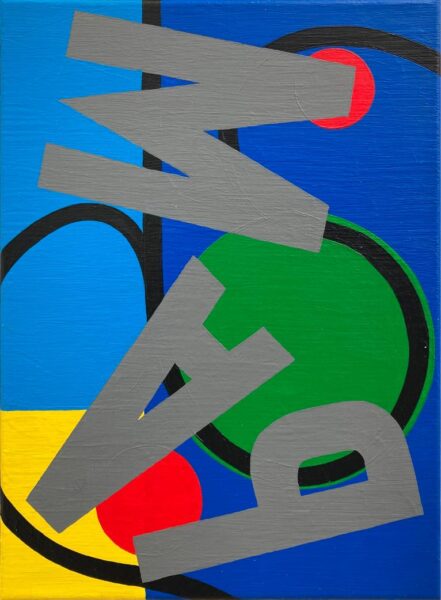
Gilles Porret - Map
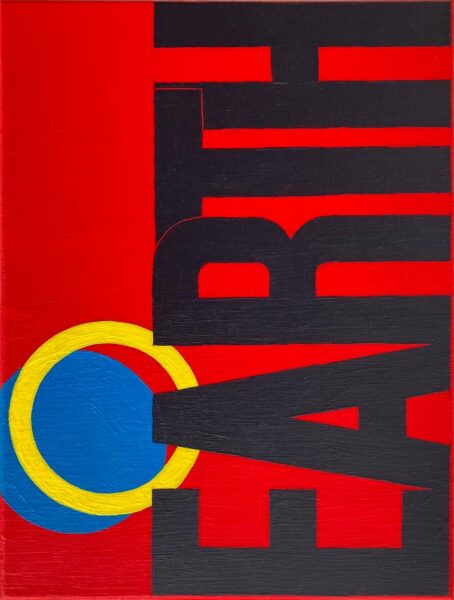
Gilles Porret - Earth
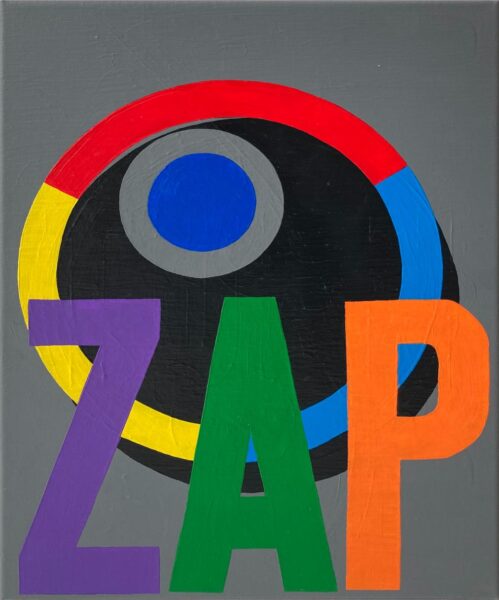
Gilles Porret - Zap
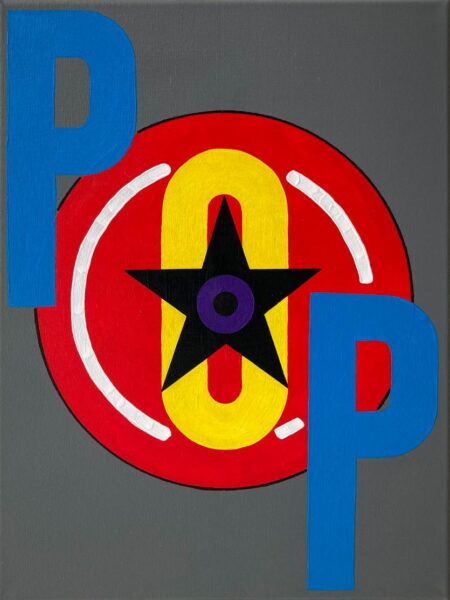
Gilles Porret - Pop
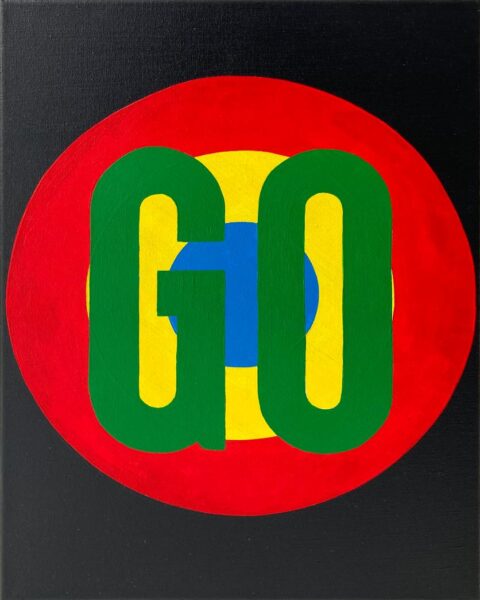
Gilles Porret - Go
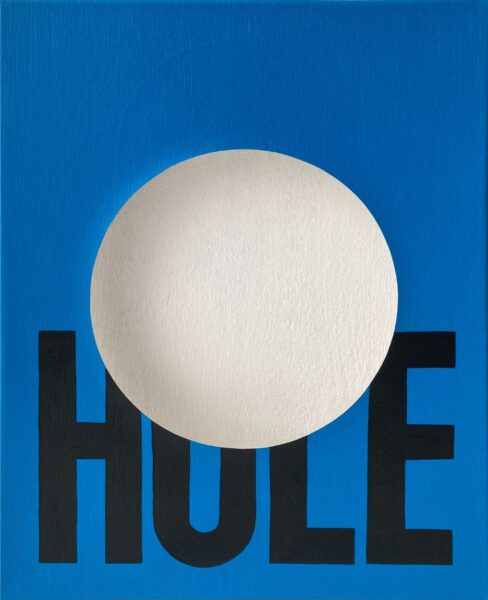
Gilles Porret - Hole
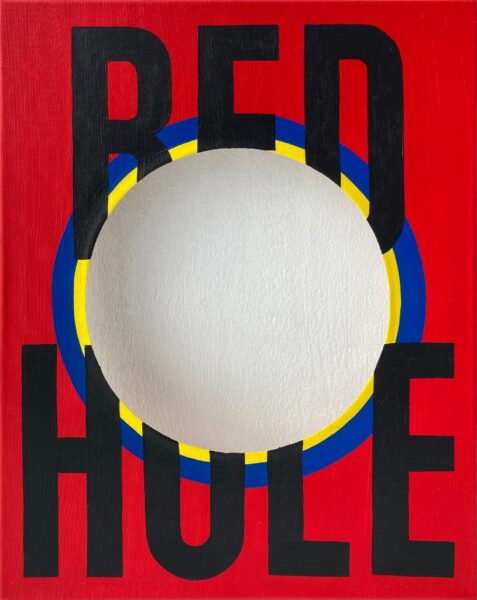
Gilles Porret - Red Hole
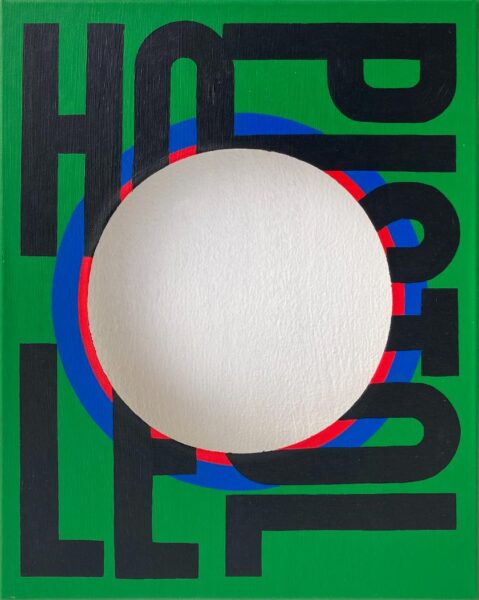
Gilles Porret - Pistol Hole
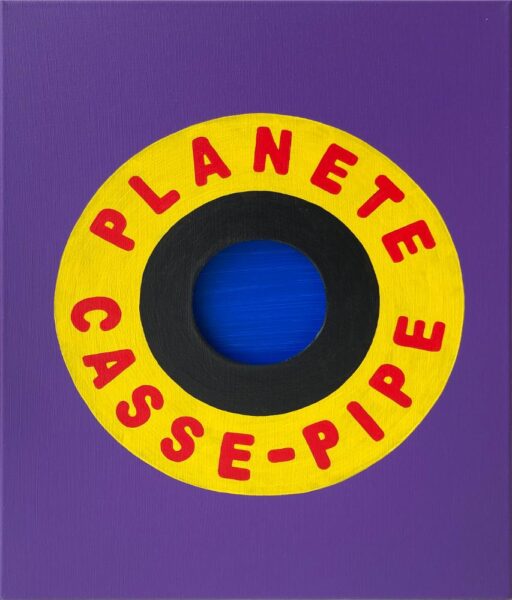
Gilles Porret - Planete Casse-Pipe
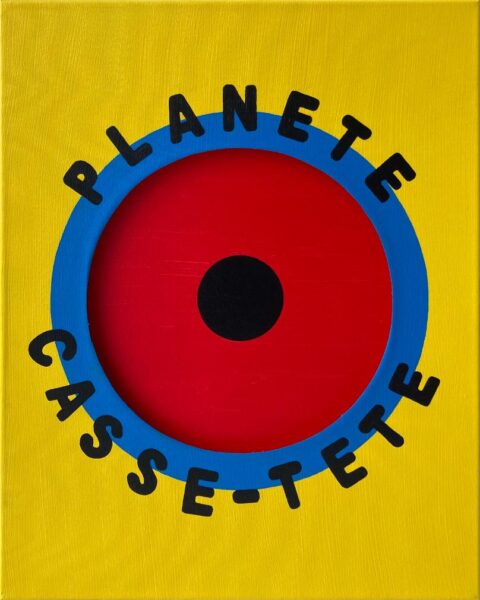
Gilles Porret - Planete Casse-Tete
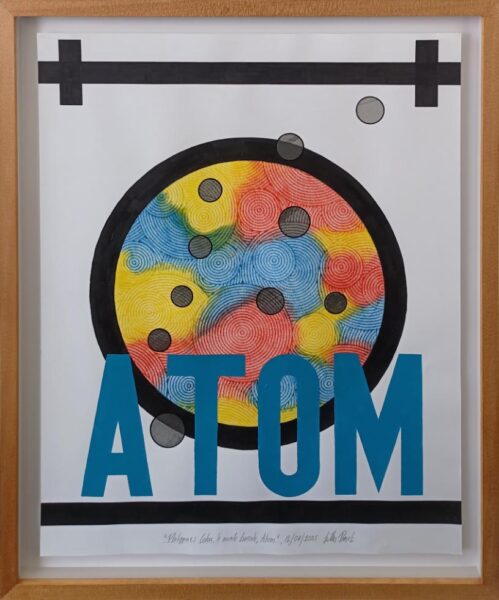
Gilles Porret - Atom
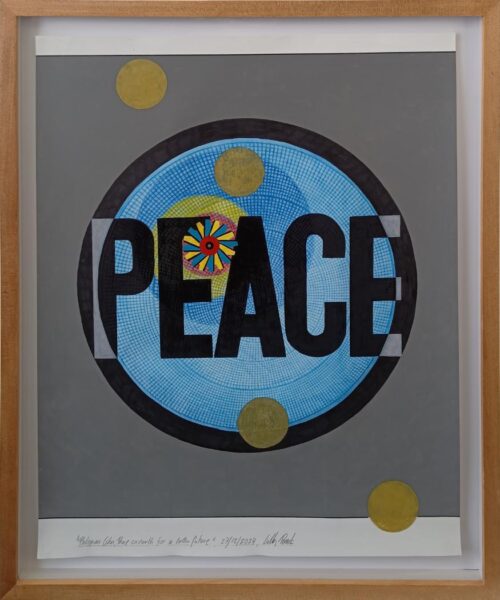
Gilles Porret - Peace
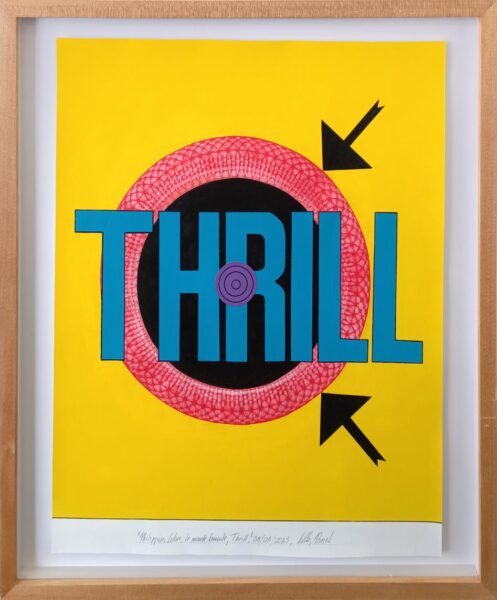
Gilles Porret - Thrill
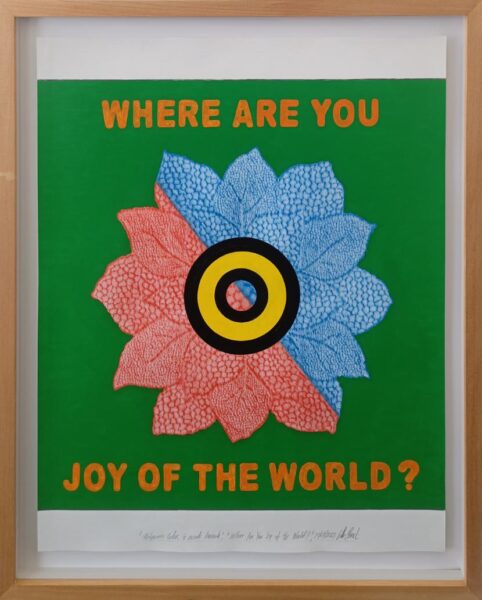
Gilles Porret - Where Are You Joy of the World
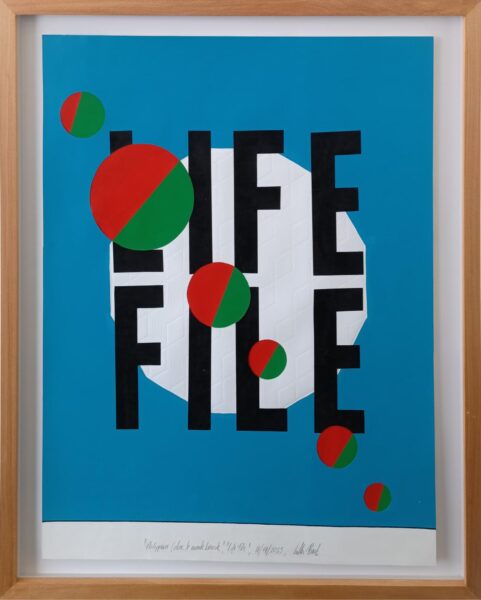
Gilles Porret - Life File
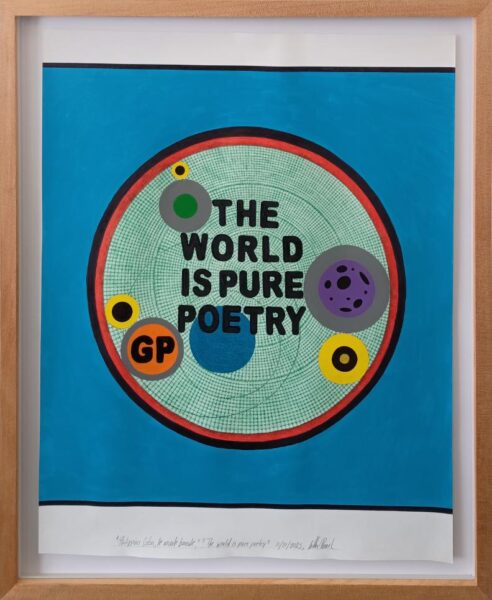
Gilles Porret - The World Is Pure Poetry
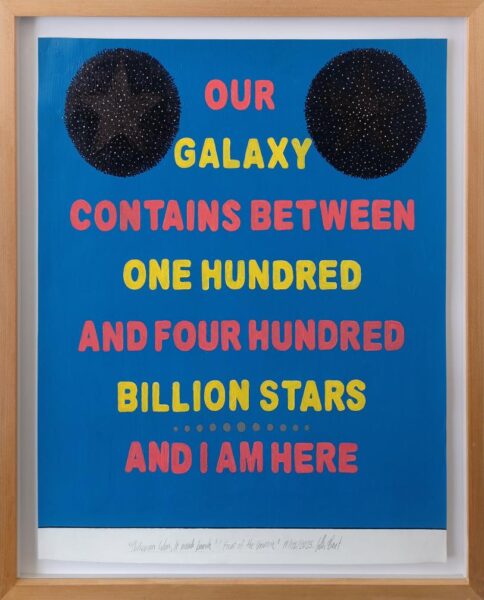
Gilles Porret - Our Galaxy Contains Between on Hundred...
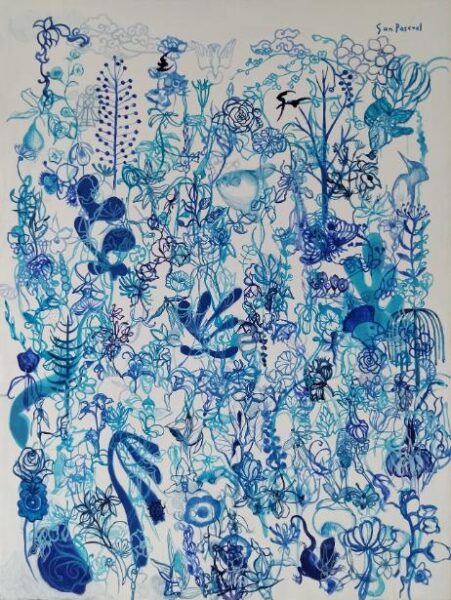
Popo San Pascual - Florigelia Series (Homage to Leonardo) 1
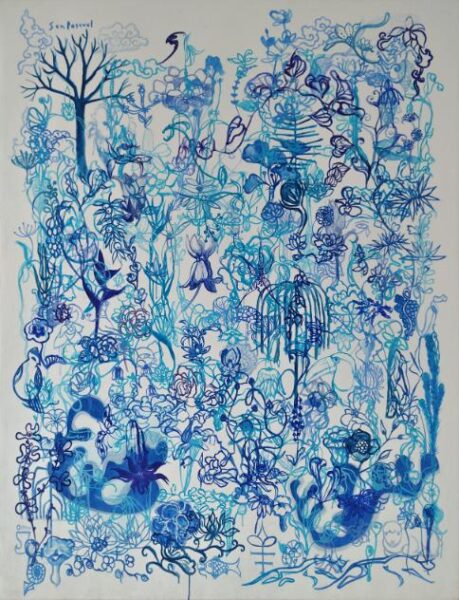
Popo San Pascual - Florigelia Series (Homage to Leonardo) 2
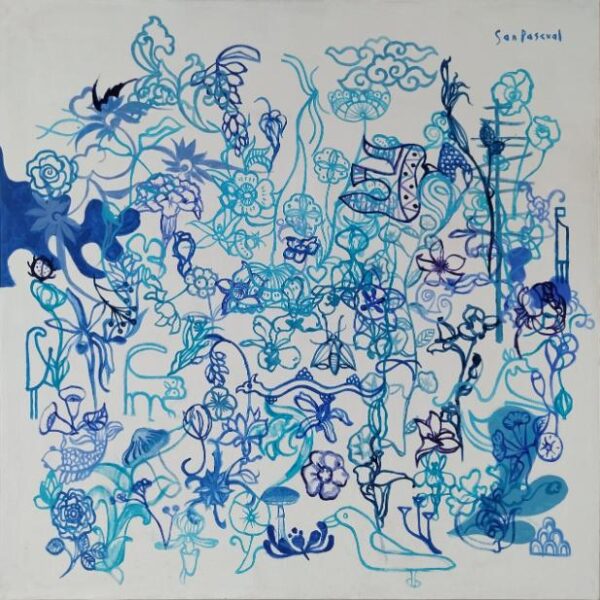
Popo San Pascual - Florigelia Series (Homage to Leonardo) 3
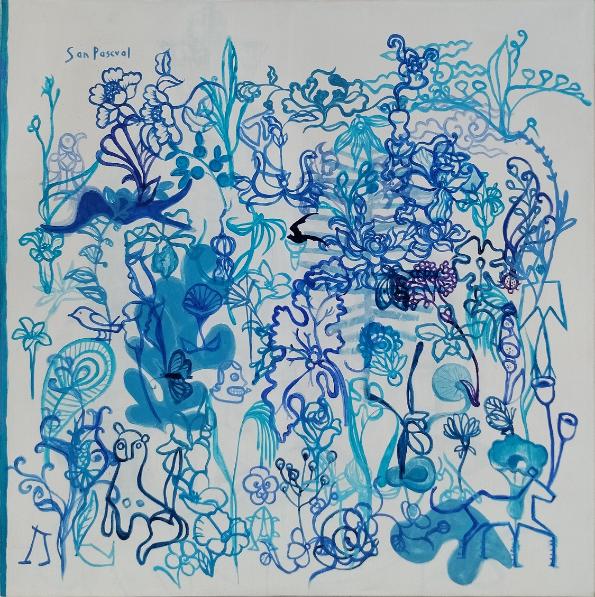
Popo San Pascual - Florigelia Series (Homage to Leonardo) 4
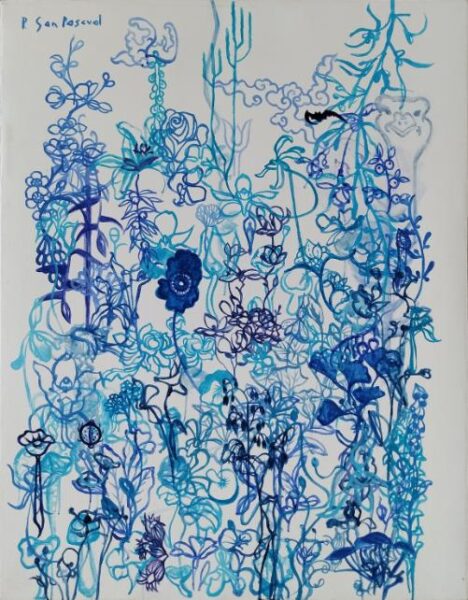
Popo San Pascual - Florigelia Series (Homage to Leonardo) 5
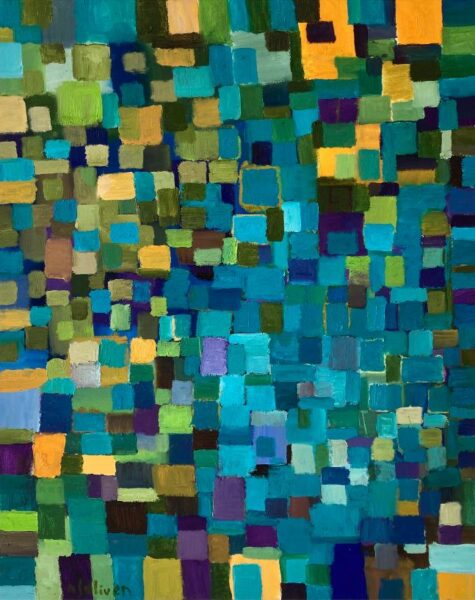
Nolet Soliven - Purple Bocas
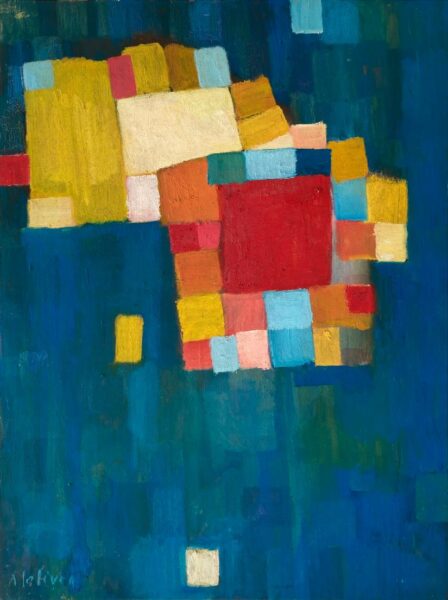
Nolet Soliven - Parola
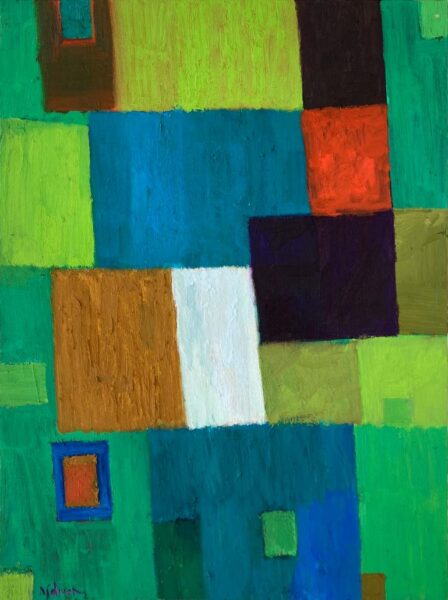
Nolet Soliven - Pocket Garden
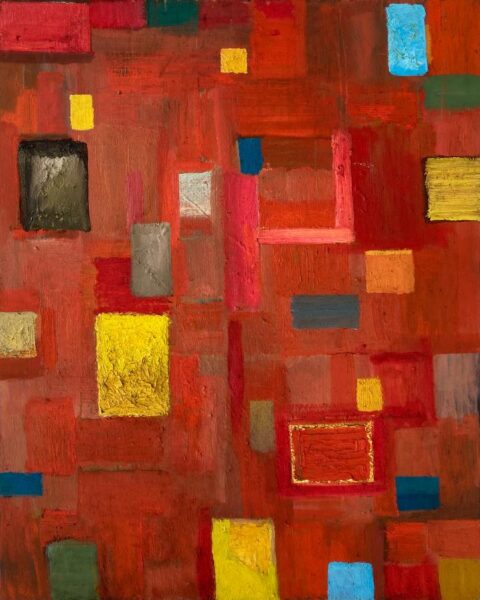
Nolet Soliven - Red
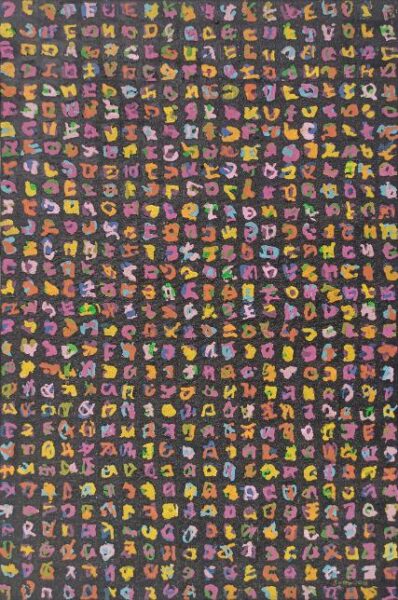
Jacinto Sotto - Untitled 1
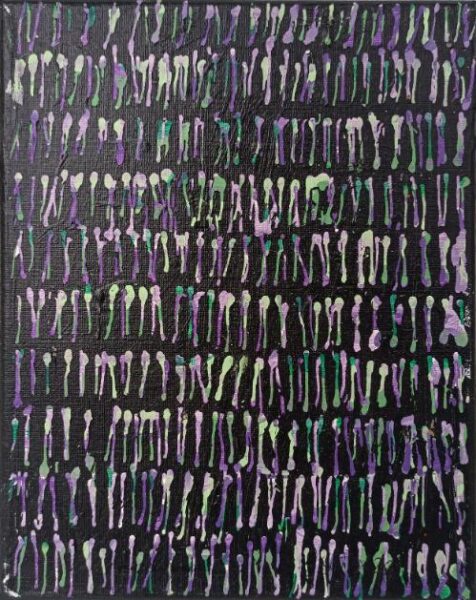
Jacinto Sotto - Untitled 2
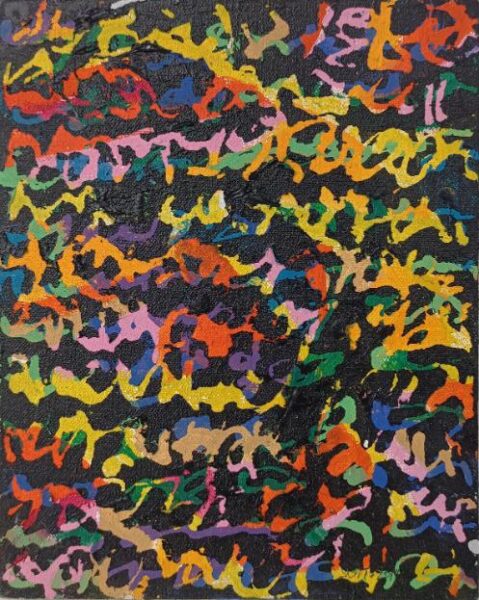
Jacinto Sotto - Untitled 3
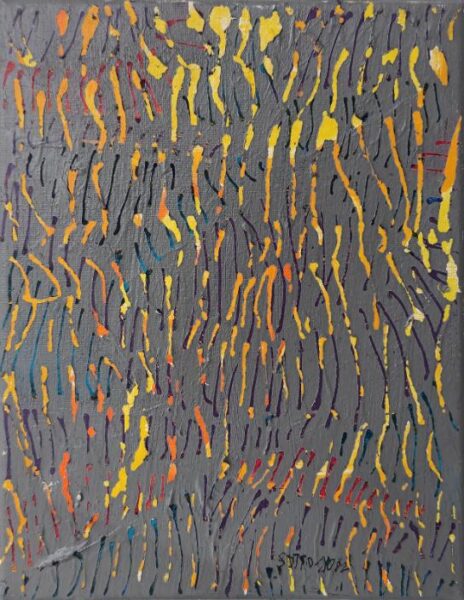
Jacinto Sotto - Untitled 4
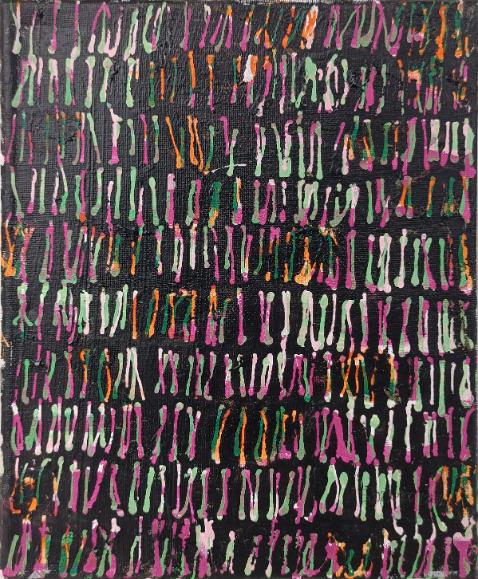
Jacinto Sotto - Untitled 5
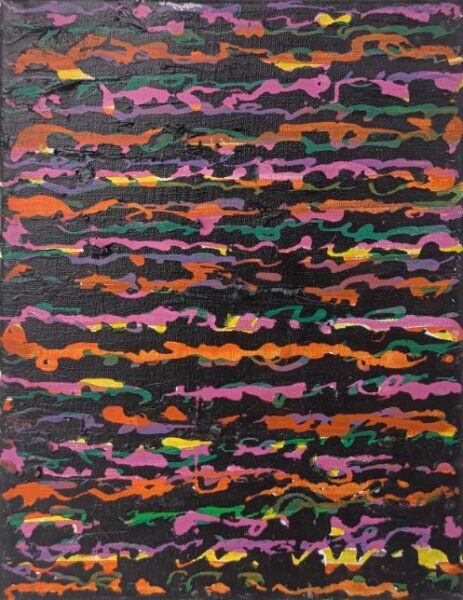
Jacinto Sotto - Untitled 6
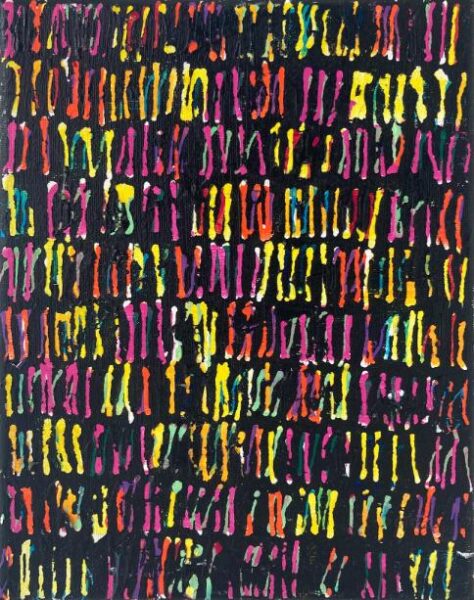
Jacinto Sotto - Untitled 7
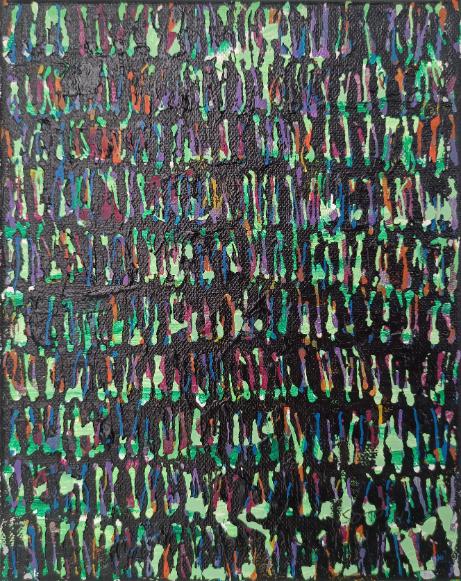
Jacinto Sotto - Untitled 8
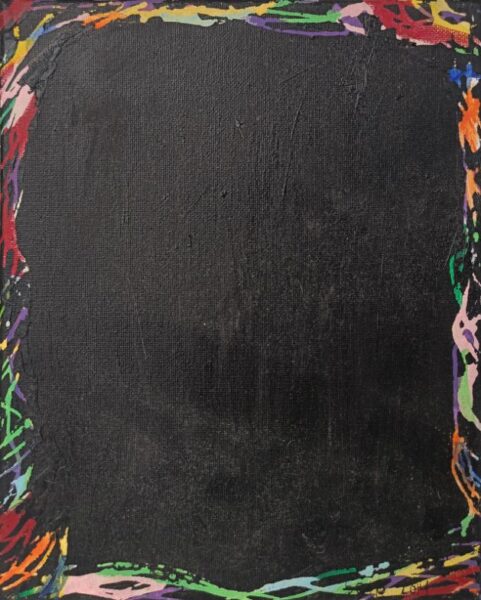
Jacinto Sotto - Untitled 9
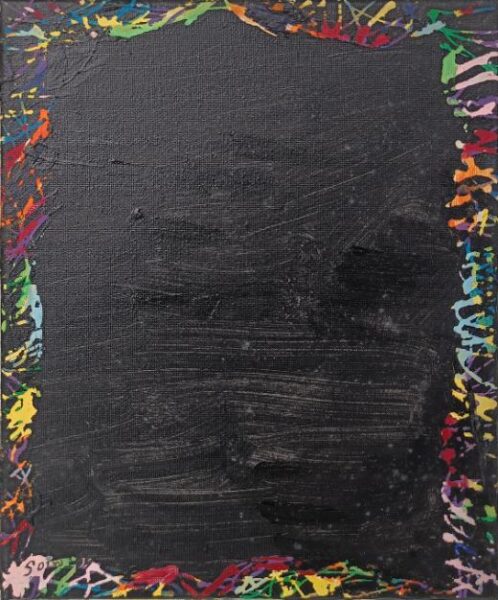
Jacinto Sotto - Untitled 10
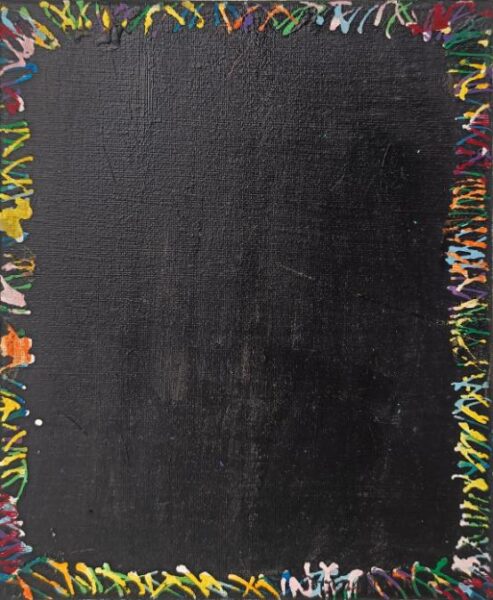
Jacinto Sotto - Untitled 11
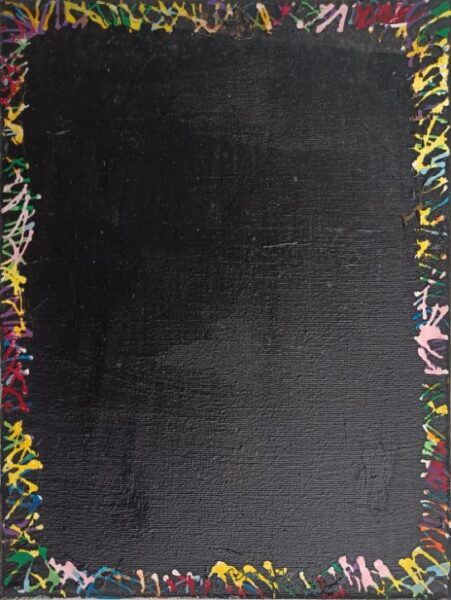
Jacinto Sotto - Untitled 12
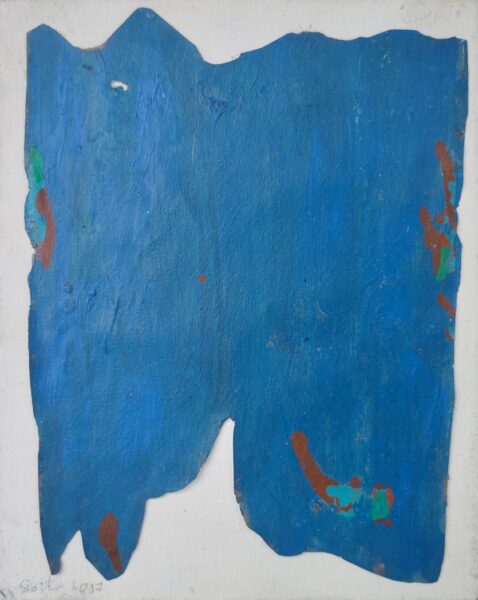
Jacinto Sotto - Untitled 13
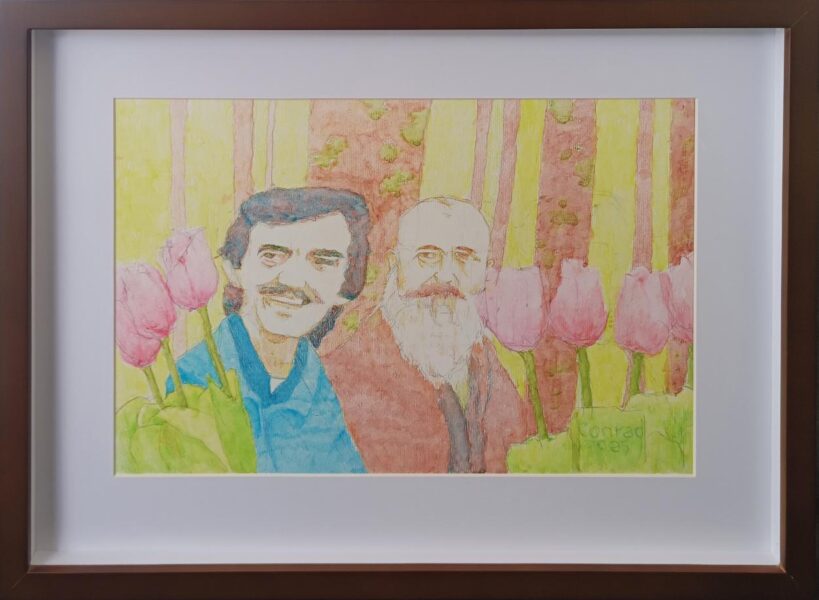
Conrad F. Viriña - Dalawang Hardinero
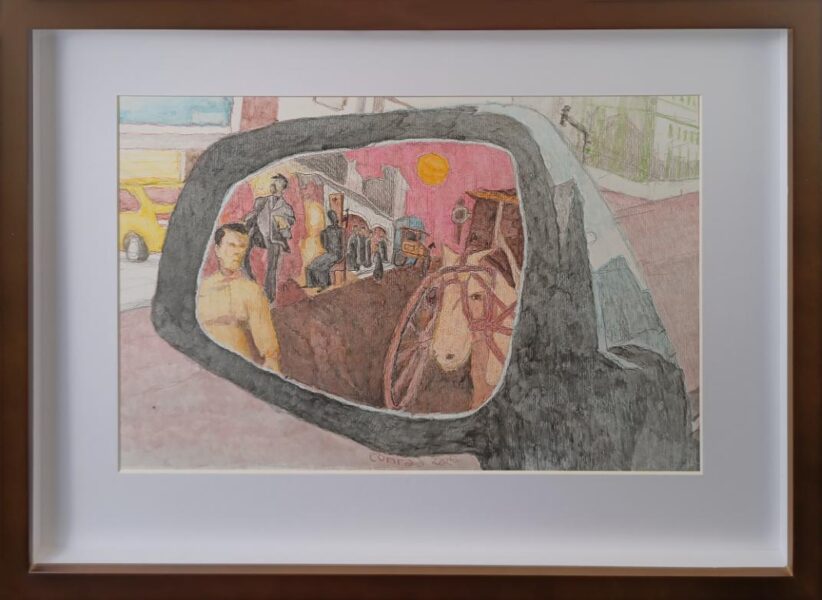
Conrad Viriña - Nagdaan
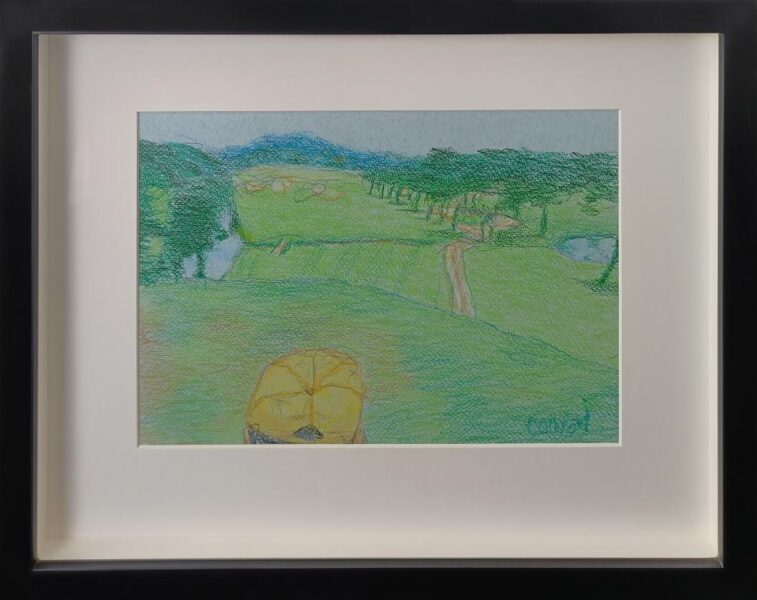
Conrad Viriña - Back 9
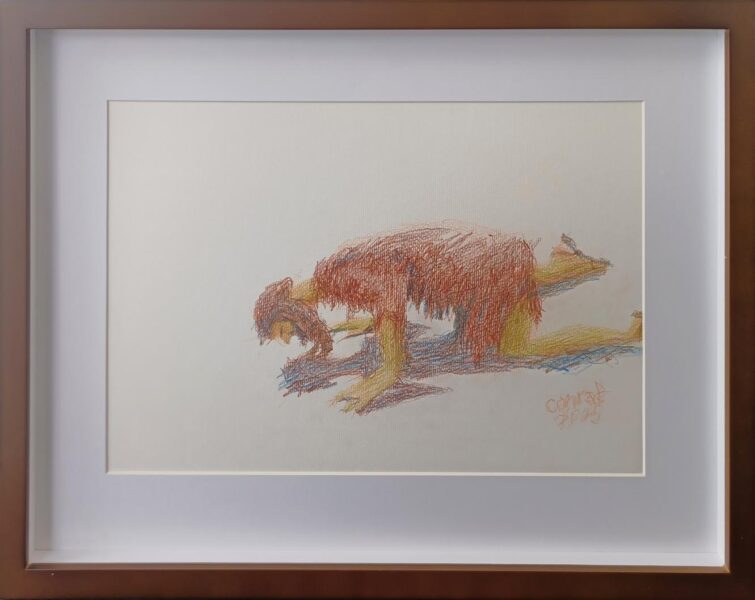
Conrad Viriña - Balik-Loob-Luke 17.11-19
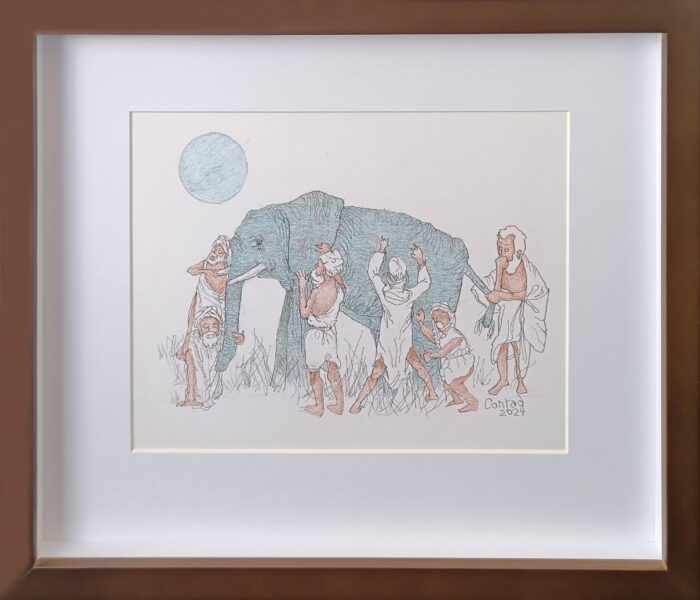
Conrad Viriña - The Blindmen's Elephant
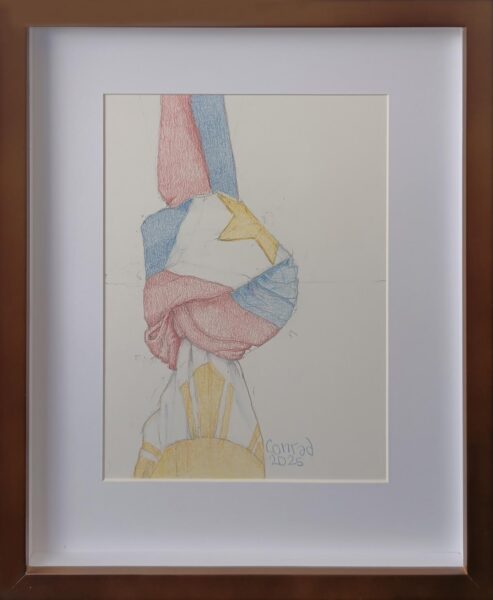
Conrad Viriña - Buhol ng Panahon
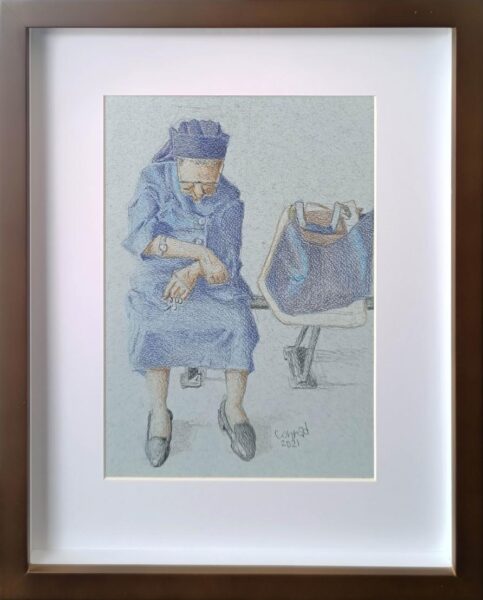
Conrad Viriña - Pagod
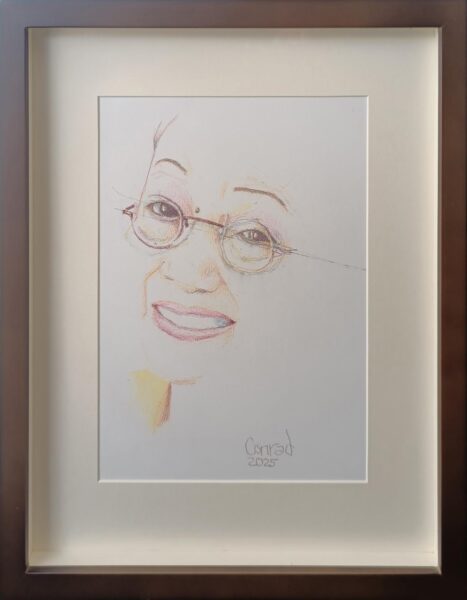
Conrad Viriña - Tita Caring
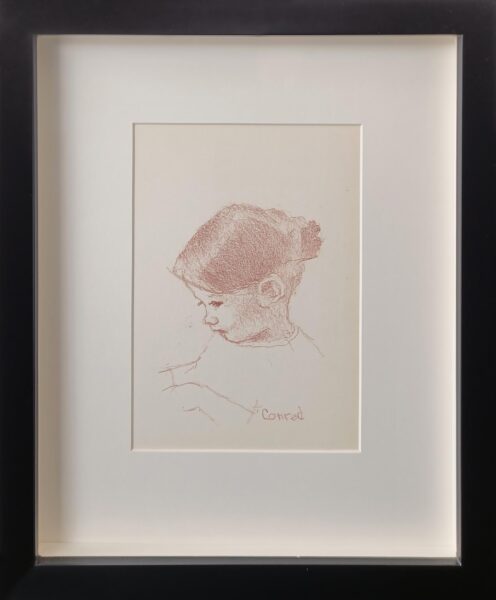
Conrad Viriña - Toddler
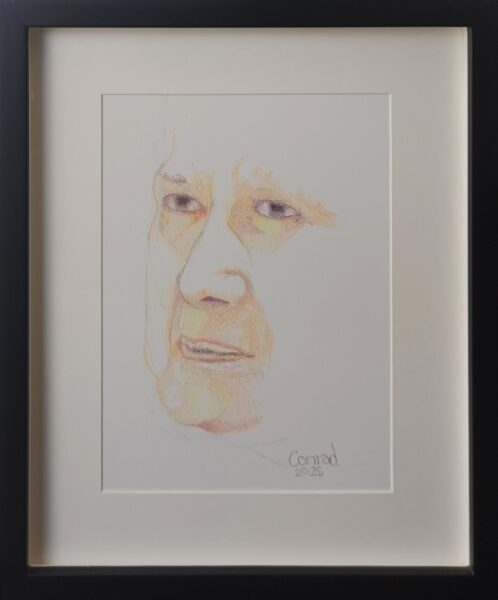
Conrad Viriña - Noel
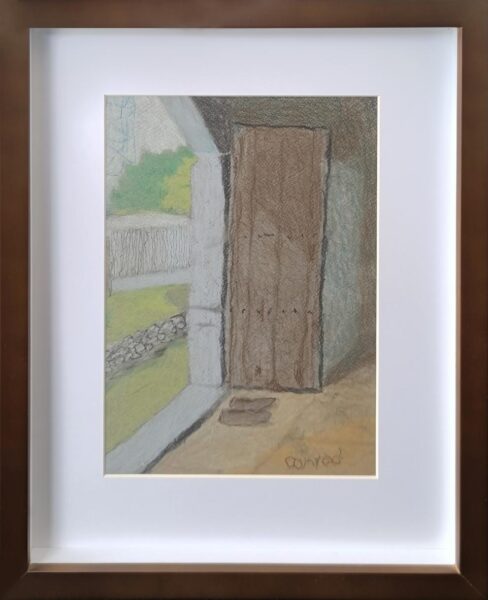
Conrad Viriña - Old Brown Door
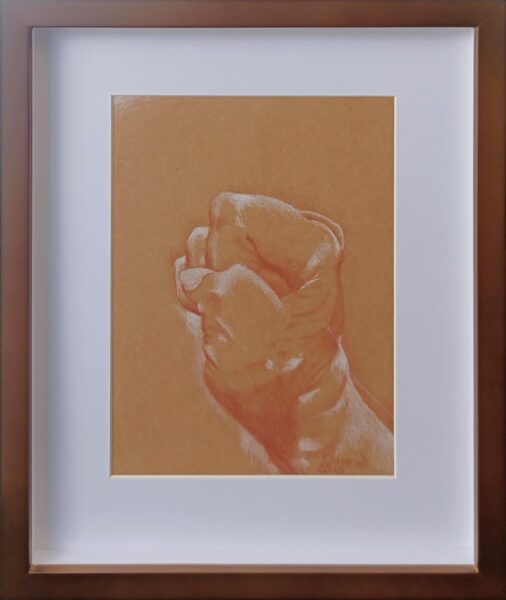
Conrad Viriña - Ang Kakatok, Pagbubuksan
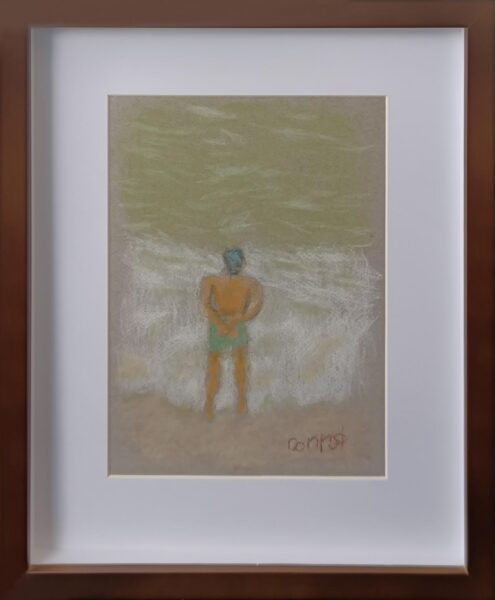
Conrad Viriña - La Mer
Documentation