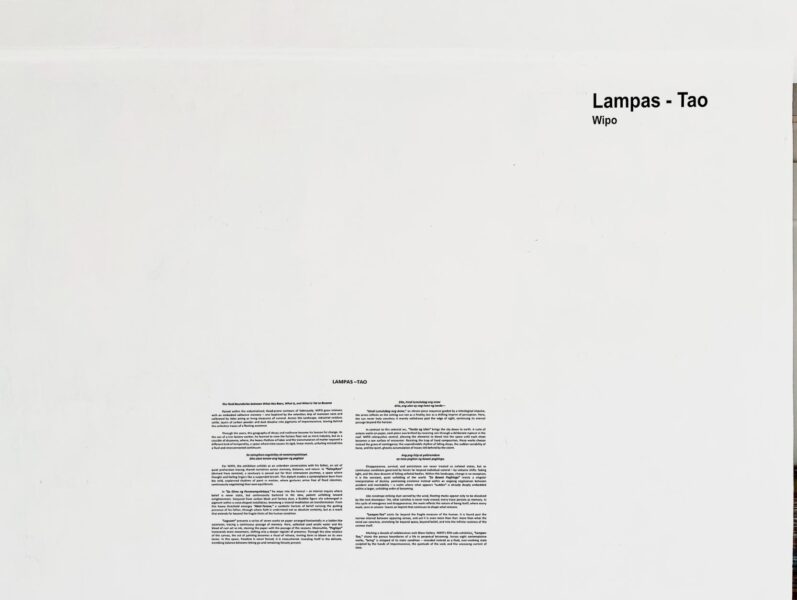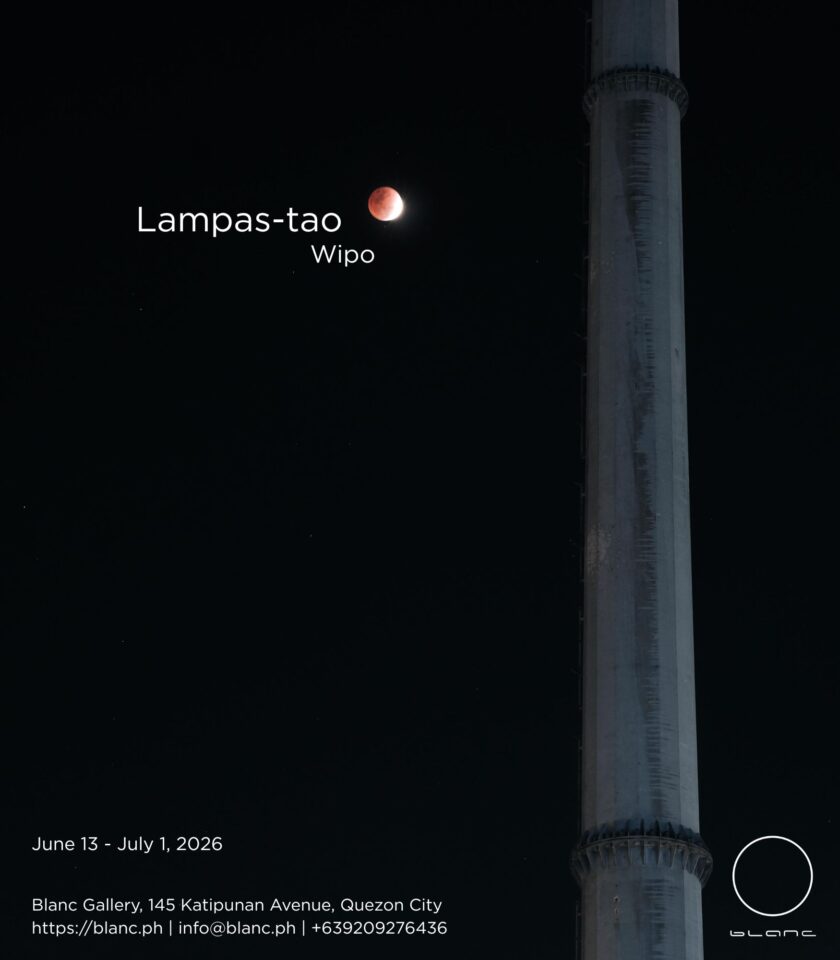
LAMPAS –TAO
The Fluid Boundaries between What Has Been, What Is, and What Is Yet to Become
Raised within the industrialized, flood-prone contours of Valenzuela, WIPO grew intimate with an embodied collective memory – one baptized by the relentless drip of monsoon rains and calibrated by tides acting as living measures of survival. Across this landscape, industrial residues settle; layers of carbon powder and dust dissolve into pigments of impermanence, leaving behind the collective traces of a fleeting existence.
Through the years, this geography of decay and resilience became his lexicon for change. As the son of a tire factory worker, he learned to view the factory floor not as mere industry, but as a crucible of discovery, where, the heavy rhythms of labor and the transmutation of matter exposed a different kind of temporality, a space where time ceases its rigid, linear march, unfurling instead into a fluid and interconnected continuum.
Sa taimpihan nagninilay at nananampalataya.
Dito abot-tanaw ang lagusan ng paglaya.
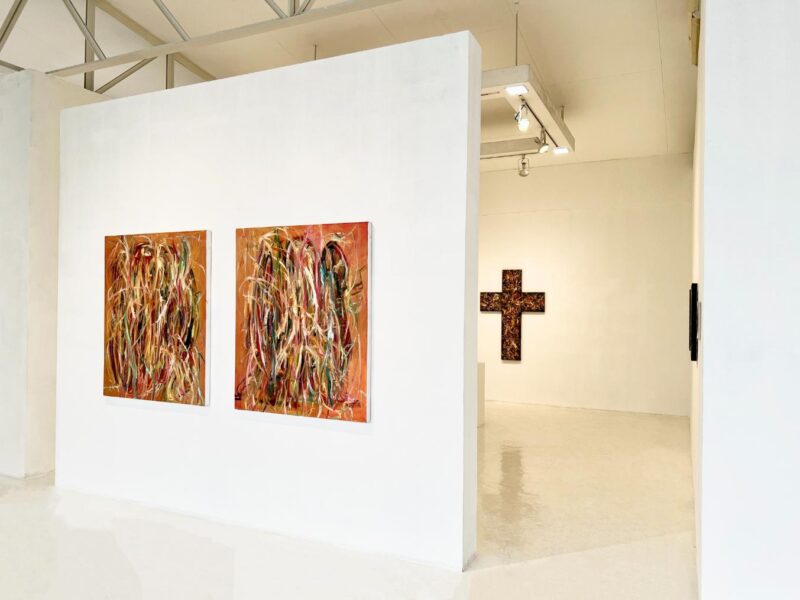
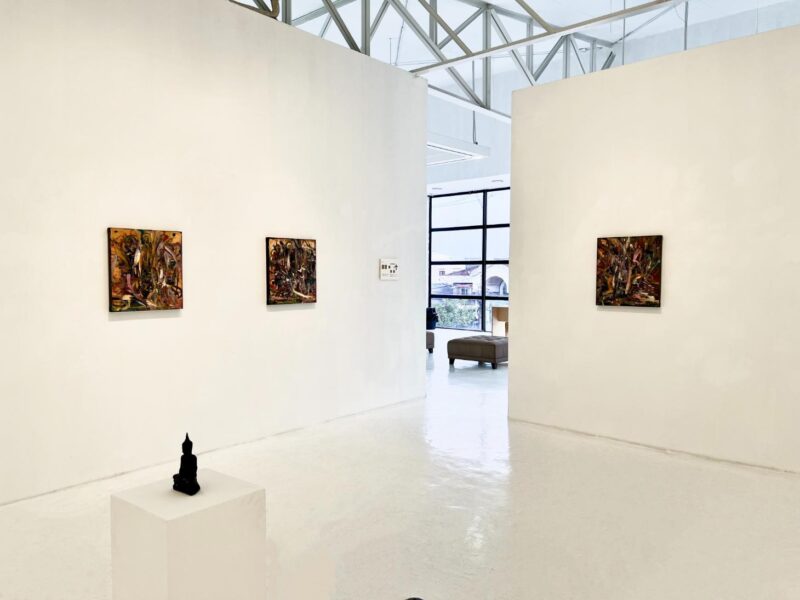
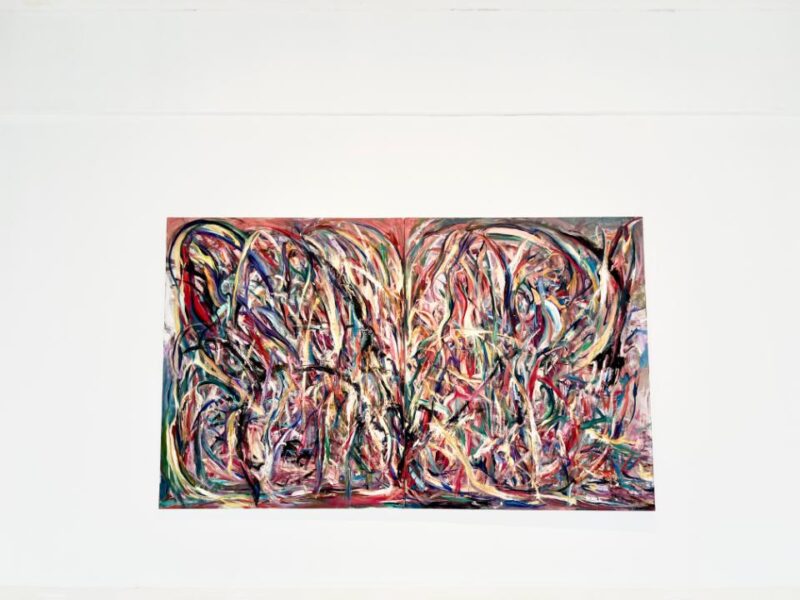
For WIPO, the exhibition unfolds as an unbroken conversation with his father, an act of quiet prehension tracing shared narratives across memory, distance, and return. In “Taimpihan” (derived from taimtim), a sanctuary is carved out for their interwoven journeys, a space where thought and feeling lingers like a suspended breath. This diptych evokes a contemplation born from the wild, unplanned rhythms of paint in motion, where gestures arrive free of fixed intention, continuously negotiating their own equilibrium.
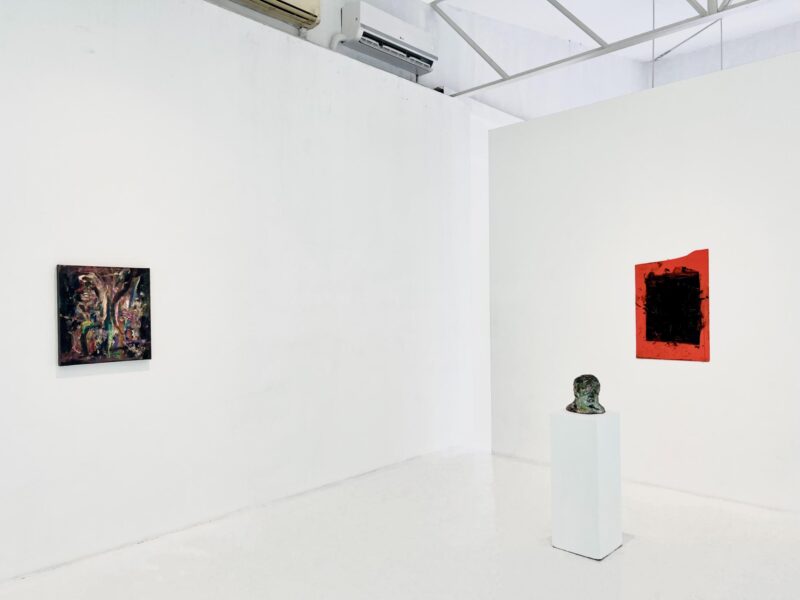
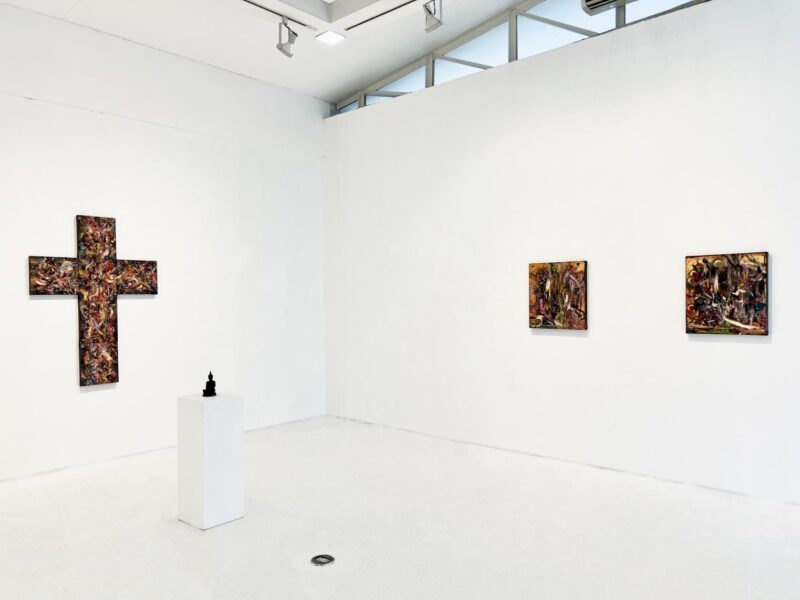
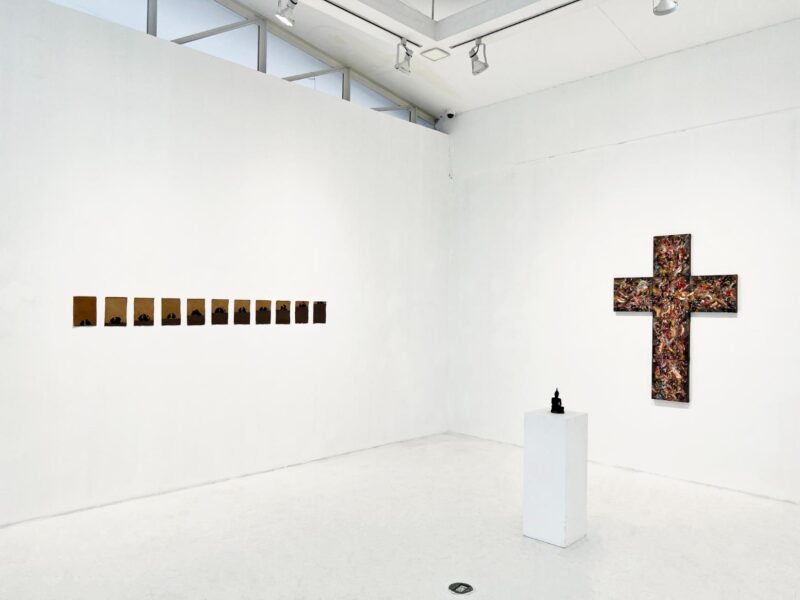
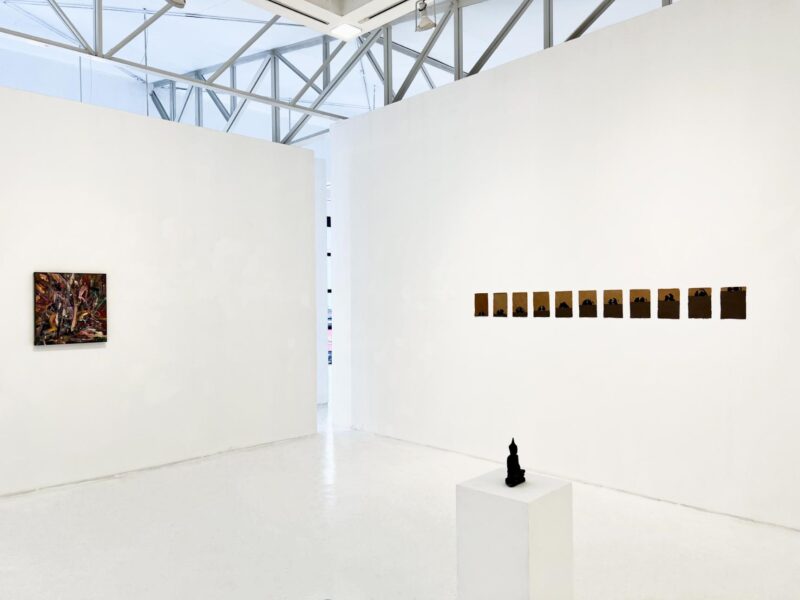
In “Sa Gitna ng Pananampalataya,” he steps into the liminal – an interior inquiry where belief is never static, but continuously bartered in the slow, patient unfolding toward enlightenment. Conjured from carbon black and factory dust, a Buddha figure sits submerged in pigment within a cross-shaped installation, becoming a visceral meditation on transformation. From this heavy threshold emerges “Abot-Tanaw,” a symbolic horizon of belief carrying the guiding presence of his father, through whom faith is understood not as absolute certainty, but as a reach that extends far beyond the fragile limits of the human condition.
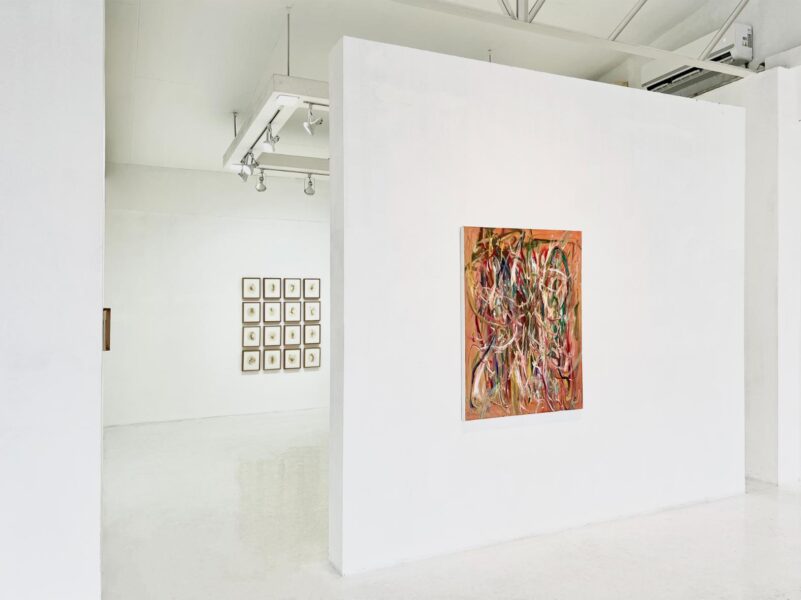
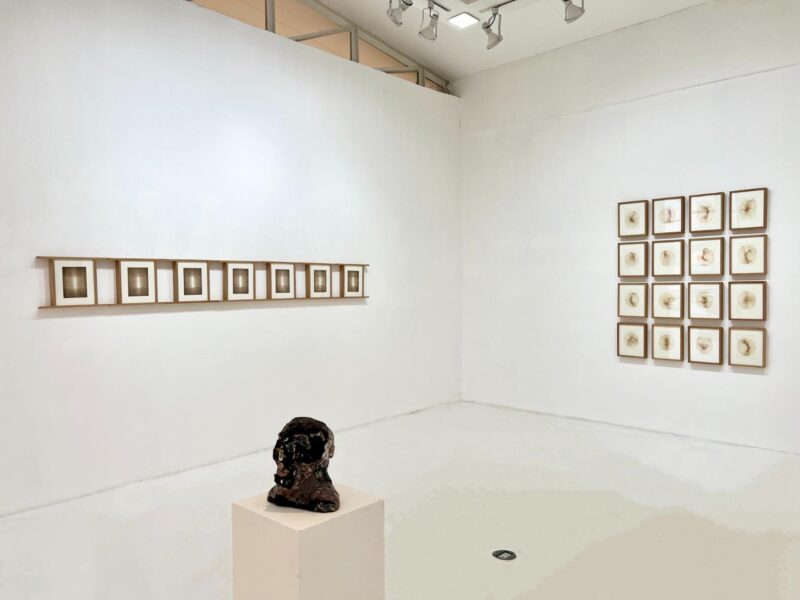
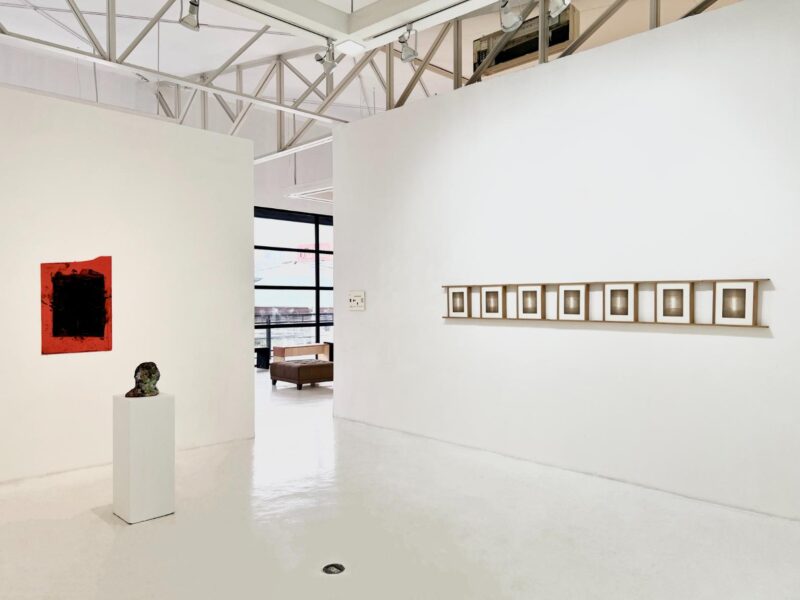
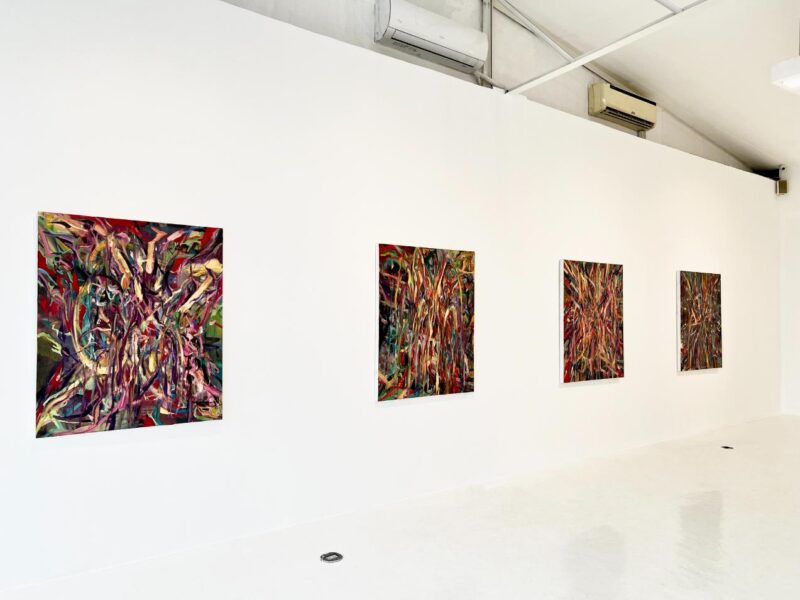
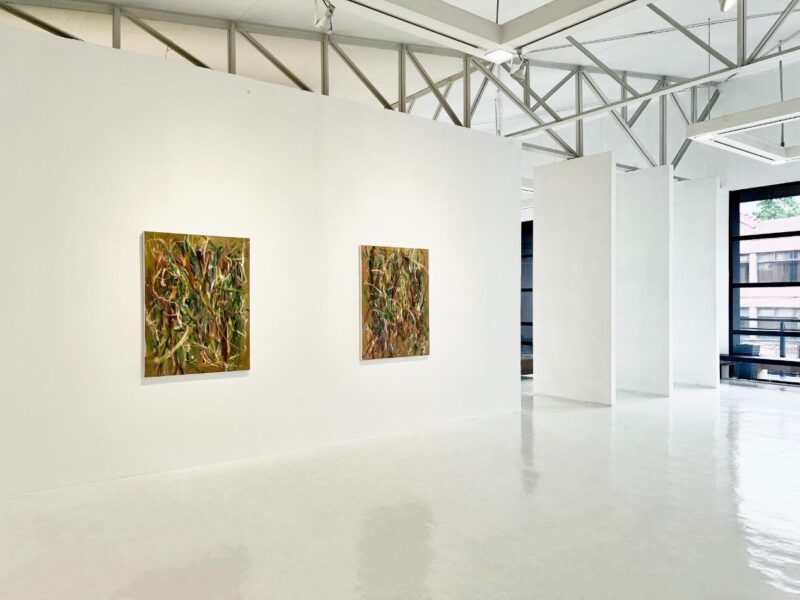
“Lagusan” presents a series of seven works on paper arranged horizontally in a ladder-like ascension, tracing a continuous passage of memory. Here, collected used acrylic water and the bleed of rust act as ink, staining the paper with the passage of the seasons. Meanwhile, “Paglaya” transcends mere movement, shifting into a deeper register of presence. Through the slow rotation of the canvas, the act of painting becomes a ritual of release, inviting form to bloom on its own terms. In this space, freedom is never forced; it is encountered, revealing itself in the delicate, trembling balance between letting go and remaining fiercely present.
Dito, hindi lumulubog ang araw.
Dito, ang ulan ay nag-iwan ng tanda—
“Hindi Lumulubog ang Araw,” an eleven-piece sequence guided by a teleological impulse, the series reflects on the setting sun not as a finality, but as a shifting imprint of perception. Here, the sun never truly vanishes; it merely withdraws past the edge of sight, continuing its eternal passage beyond the horizon.
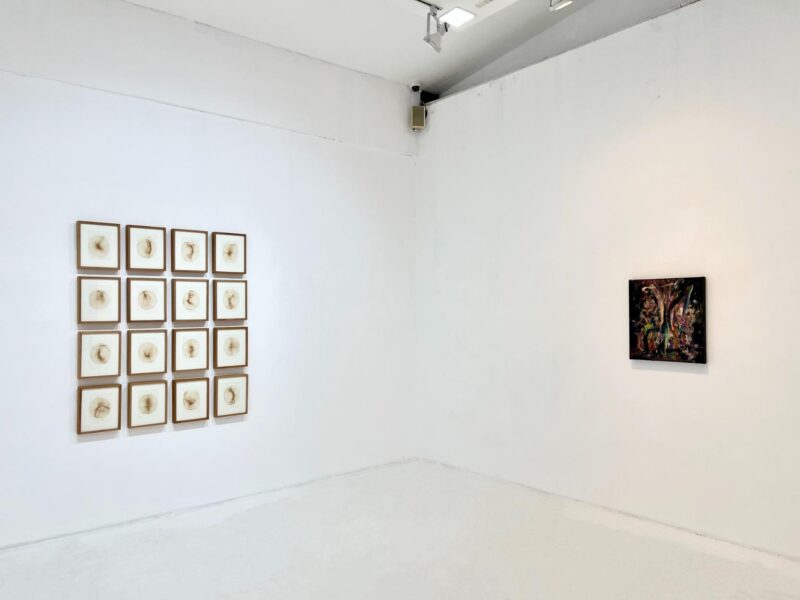
In contrast to this celestial arc, “Tanda ng Ulan” brings the sky down to earth. A suite of sixteen works on paper, each piece was birthed by receiving rain through a deliberate rupture in the roof. WIPO relinquishes control, allowing the elements to bleed into the space until each sheet becomes a raw surface of encounter. Resisting the trap of fixed composition, these works choose instead the grace of contingency: the unpredictable rhythm of falling drops, the sudden variability of force, and the quiet, ghostly accumulation of traces left behind by the storm.
Ang pag-iisip at pakiramdam
ay nasa pagitan ng bawat paghinga.
Disappearance, survival, and persistence are never treated as isolated states, but as continuous conditions governed by forces far beyond individual control – by volcanic shifts, fading light, and the slow descent of falling celestial bodies. Within this landscape, change is no exception; it is the constant, quiet unfolding of the world. “Sa Bawat Paghinga” resists a singular interpretation of destiny, positioning existence instead within an ongoing negotiation between accident and inevitability – a realm where what appears “sudden” is already deeply embedded within a larger, unfolding order of becoming.
Like raindrops striking dust carried by the wind, fleeting marks appear only to be dissolved by the next downpour. Yet, what vanishes is never truly erased; every trace persists as memory. In this cycle of emergence and disappearance, the work reflects the nature of being itself, where every mark, seen or unseen, leaves an imprint that continues to shape what remains.
“Lampas-Tao” exists far beyond the fragile measure of the human. It is found past the narrow interval between opposing senses, and yet it is even more than that: more than what the mind can conceive, stretching far beyond space, beyond belief, and into the infinite vastness of the cosmos itself.
Marking a decade of collaboration with Blanc Gallery, WIPO’s fifth solo exhibition, “Lampas-Tao,” charts the porous boundaries of a life in perpetual becoming. Across eight contemplative works, “being” is stripped of its static condition – revealed instead as a fluid, ever-evolving state sculpted by the hands of impermanence, the quietude of the void, and the unceasing current of time.
RSL
Works

Hindi Lumulubog Ang Araw (Series)

Lagusan (Set of 7)
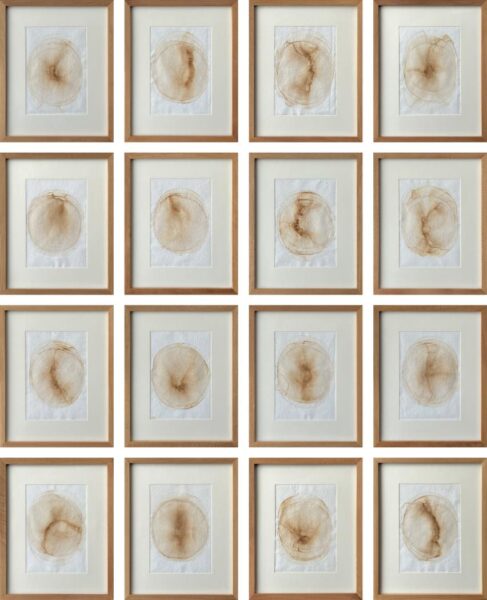
Tanda Ng Ulan (Set of 16)
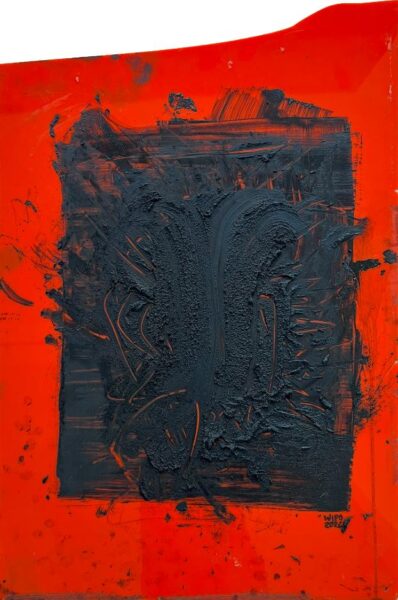
Sa Gitna Ng Pagninilay
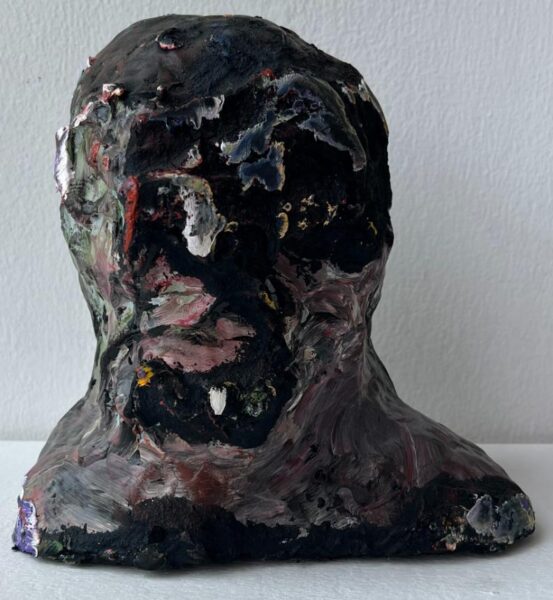
Sa Gitna Ng Pagninilay
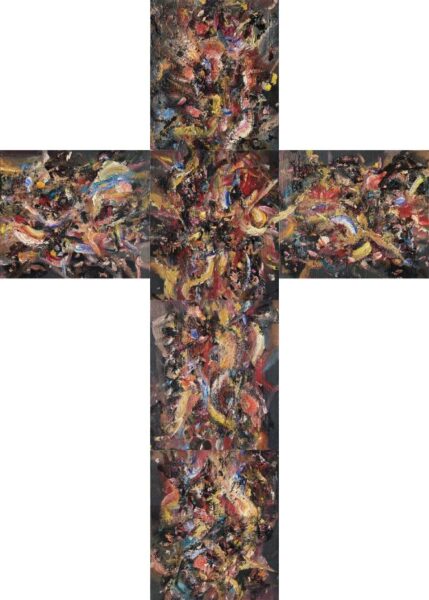
Sa Gitna Ng Pananampalataya
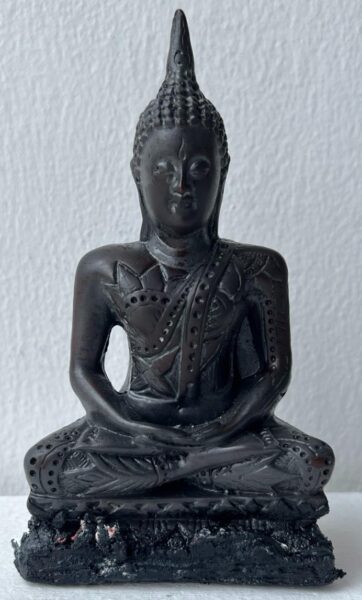
Sa Gitna Ng Pananampalataya
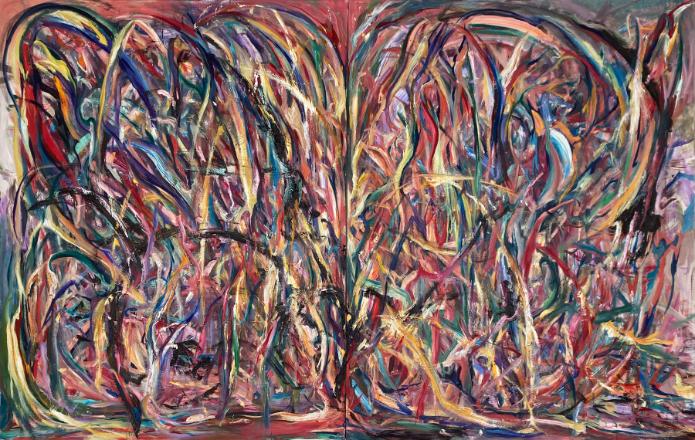
Taimpihan
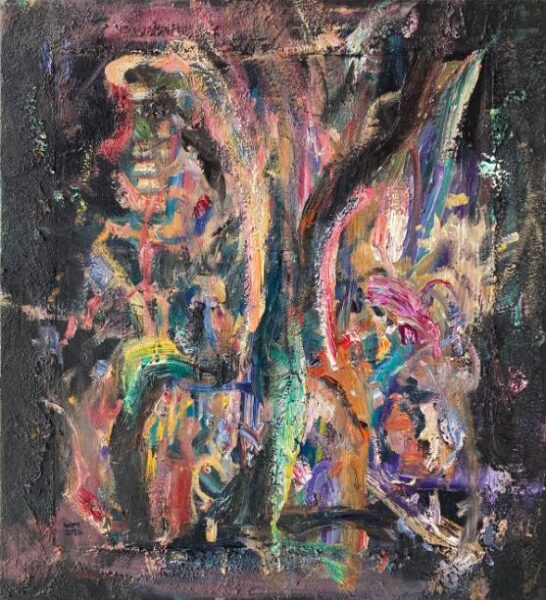
Untitled
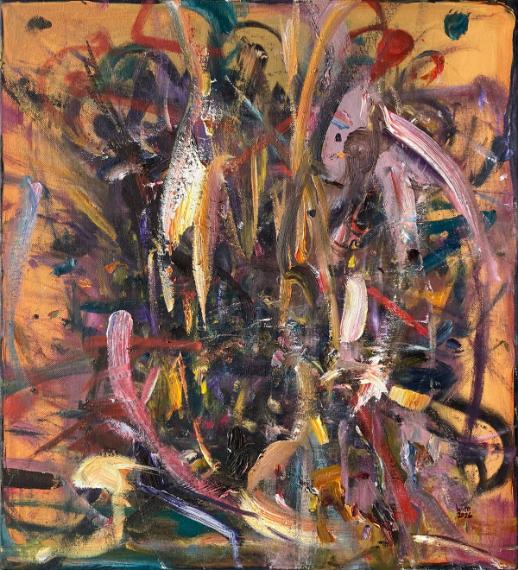
Abot - Tanaw
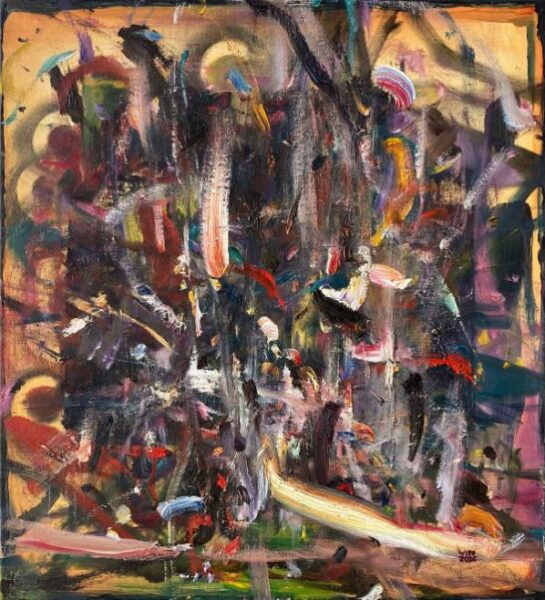
Abot - Tanaw II
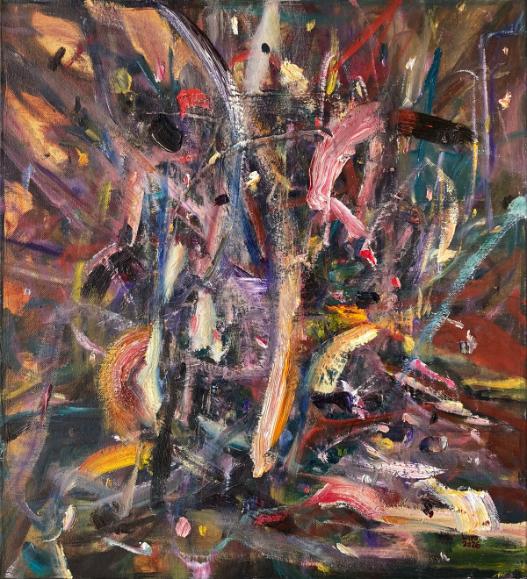
Abot - Tanaw III
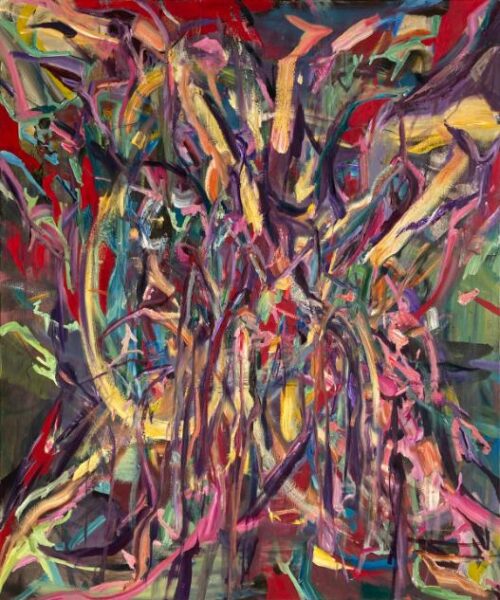
Paglaya 1
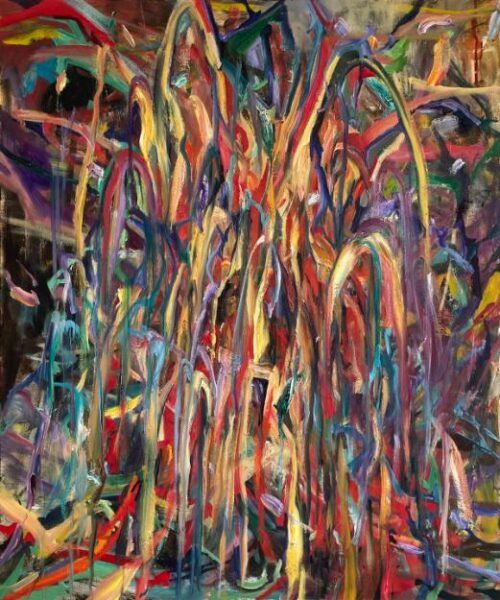
Paglaya 2
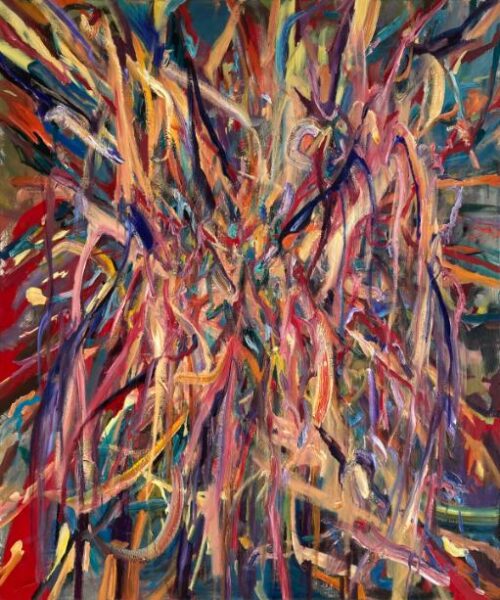
Paglaya 3
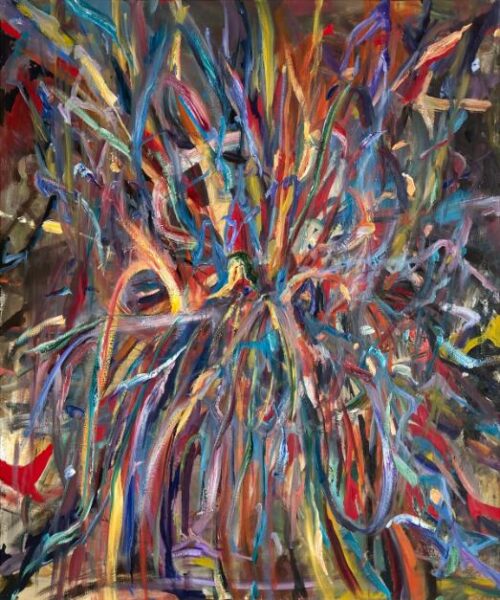
Paglaya 4
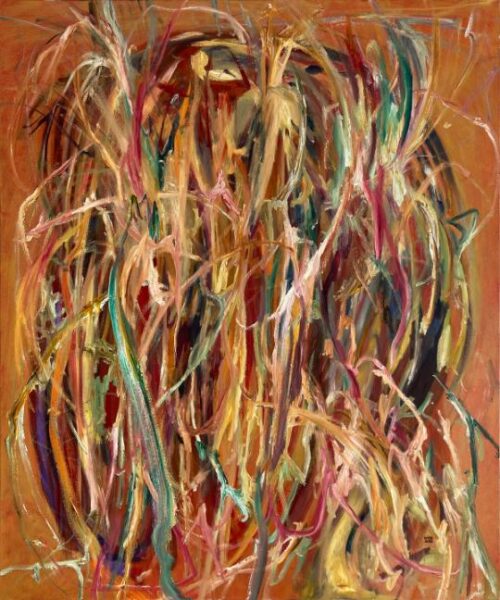
Sa Bawat Paghinga 1
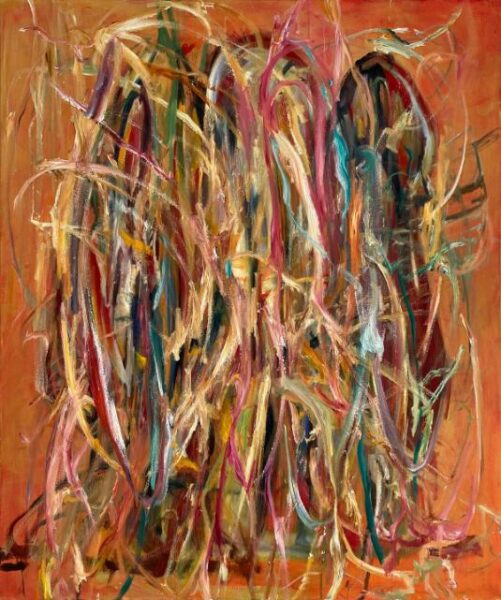
Sa Bawat Paghinga 2
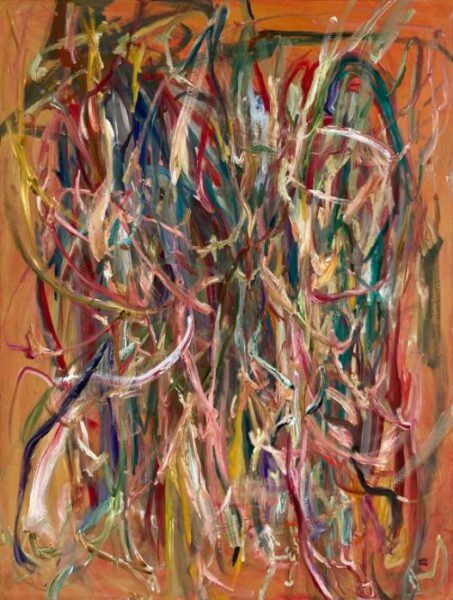
Sa Bawat Paghinga 3
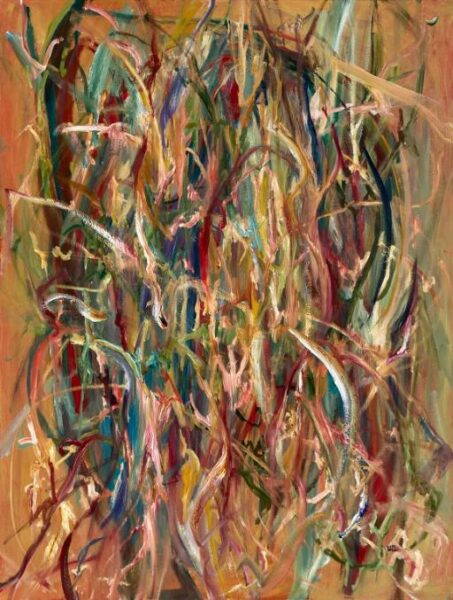
Sa Bawat Paghinga 4
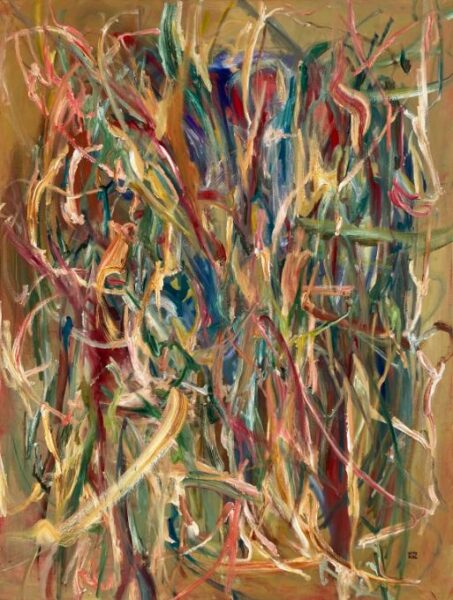
Sa Bawat Paghinga 5
Documentation