Meditations on Paolo Icasas’ Artistic Process, Love, and Landscapes
“I have only one means of representing it, which is uttering it, just as the artist has only one means of representing the work on which he is engaged: by doing it.” (Maurice Merleau-Ponty, Phenomenology of Perception, 1945)
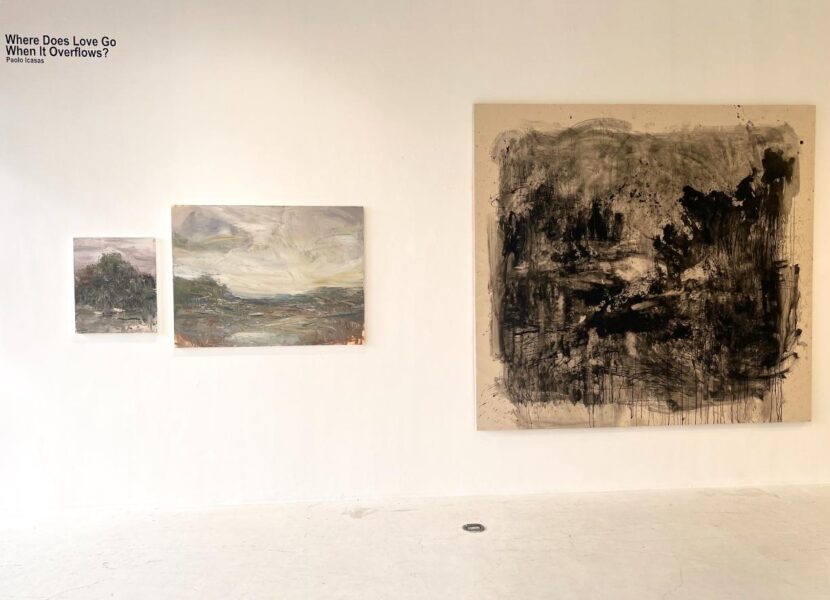
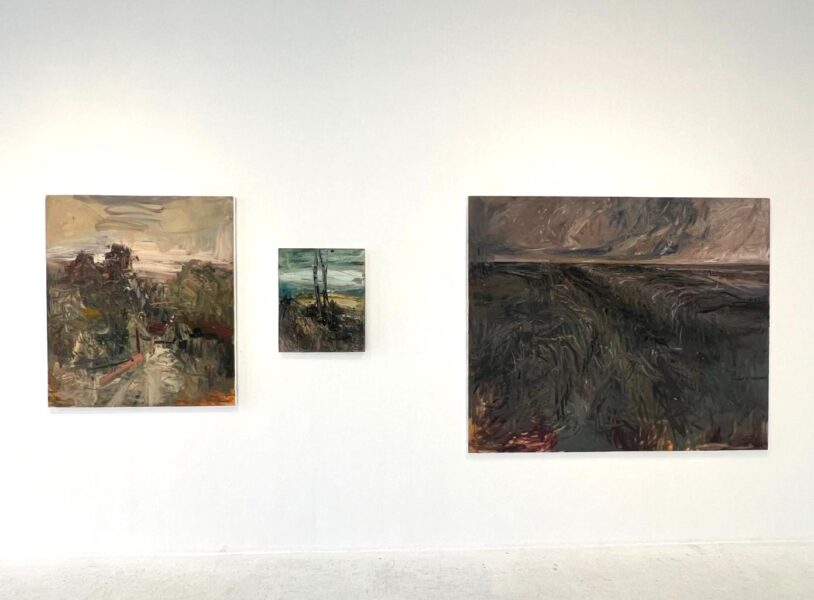
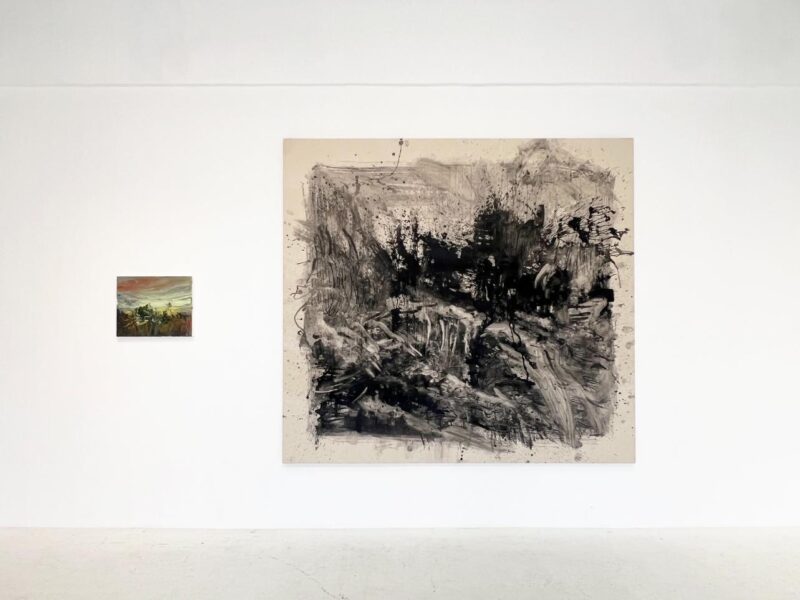
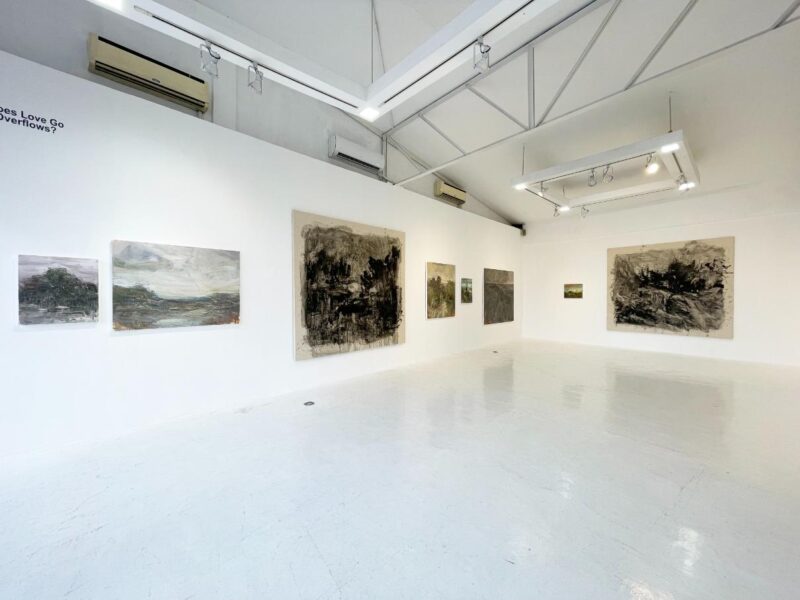
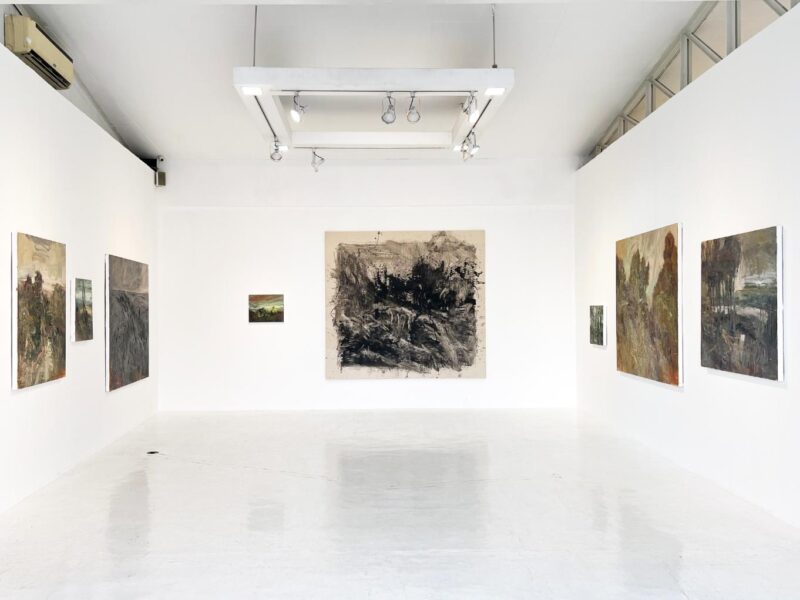
Paolo Icasas has reached another kind of clarity in his works through constant attunement to his artistic process. You can still follow where his brushstrokes began, found their place, and settled in. You can still see the immediacy of their intersections, and the paradox of textural additions from his scratches of omission. What may be characteristic of this clarity, despite the familiar fullness of his works, is their generosity in holding space for breath.
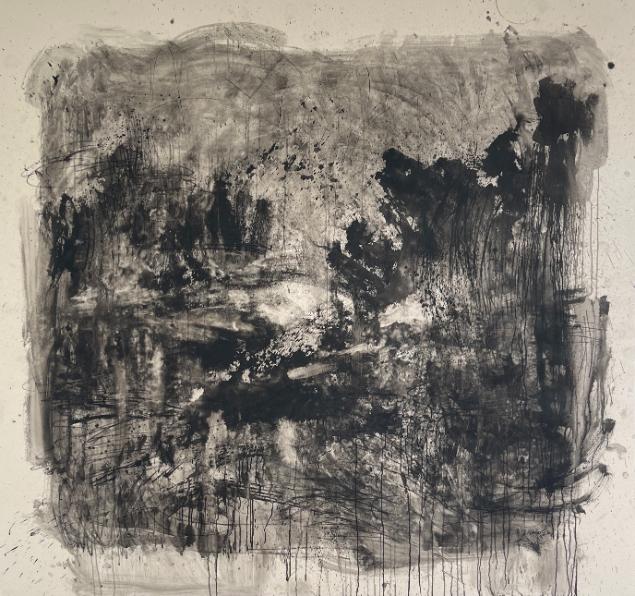
He doesn’t resolve but gives pause as he continues to speak of love in his works—love and its abundance, its impatience. Love is so intertwined with his practice; it is always present, though it constantly changes locus. It becomes what makes, what is searched for, what comes to be, what remains after. It sounds grand, but to define love as the force that animates his process is to make it more grounded in feeling than thought, and that demands a certain kind of trust. Where Does Love Go When It Overflows? isn’t a question. It is the work’s directive.
Paolo used to think that his hand needed to be faster and more certain in its movements, so it could keep up with his thoughts. Painting had been an endless chase—gesture catching up to image—until he realized the mind was too limiting for the hand to flourish. It’s not that the hand is slow; it’s that it can’t be unapologetically faster than the mind permits. He has arrived at a realization that his process is an active negotiation: for the hand to be free, for the mind to give permission to what that freedom entails. Somehow, the hand already knows how to love the world before the mind learns to trust it.
It shouldn’t be a chase. Perhaps courtship. Paolo calls it a dance. A kind of romance, where intimacy is in the articulation and understanding of each other’s secret language, which can only succeed through constant conversation.
By granting his hand autonomy of expression and by giving the mind the responsibility to set a legible boundary that the hand can cross, he learns to accomplish thought rather than just translate it. His painting process then becomes a leveling of freedom and control. The resulting painting becomes a truce, but temporary at best, for abundant is the desire to express. Beyond mortality, no number of occupied canvases will be enough to stop the mind from trying to make sense, and the hand to reach for something that could. Knowing that the mind has taken upon itself the duty to follow and approve every movement the hand makes, the hand may develop perpetual hunger, but never pride. Paolo is very specific about operating outside the ego. It curbs freedom. Humility and awareness of limitations do the opposite.
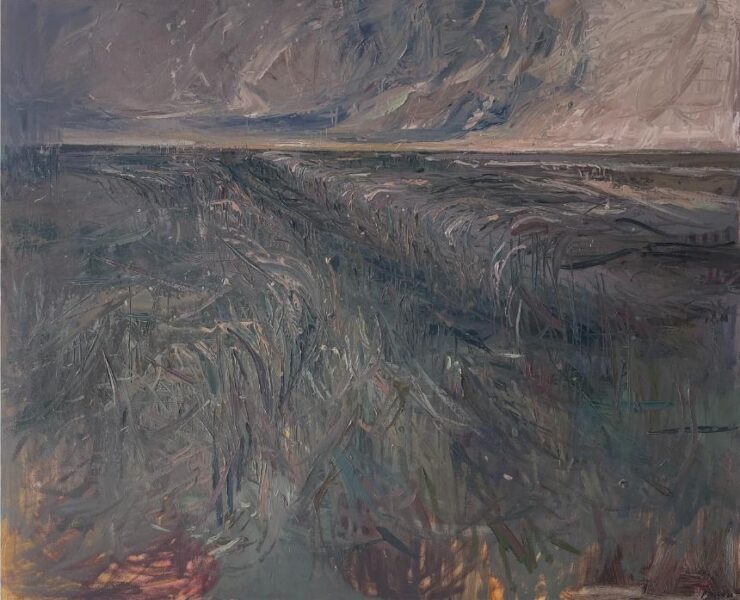
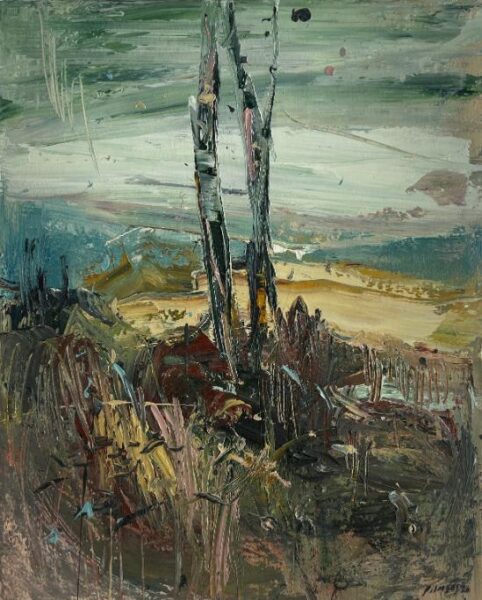
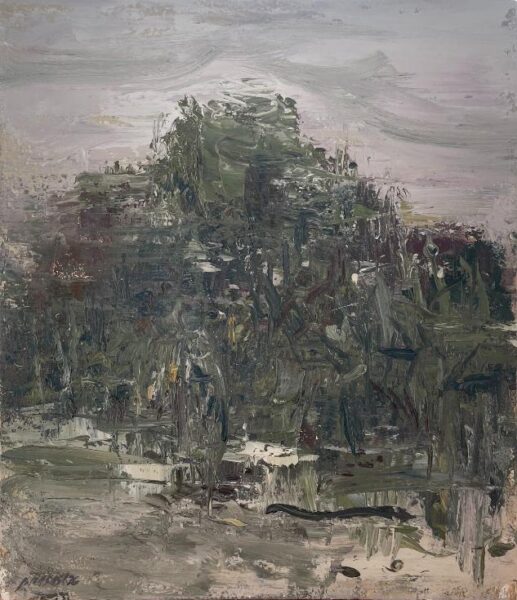
Like nature seemingly unafraid of growing, possessing a kind of freedom close to boundlessness, yet still following its own logic, Paolo seeks to occupy existence by making marks—paintings in oil, in ink, drawings on paper. He looks to nature as the vessel in which freedom and limitation coalesce. In his landscapes, nature itself functions less as a subject to depict than as a way of behaving. They are not attempts at representing nature; they are visual essays on painting how nature exists—how it acts, reacts, keeps still, and how human beings experience it.
It is not a passive organism: it grows, it changes, it overflows. As humans do not exist as nature’s detached observers, human emotions are not experiences outside of it—love, desire, wrath even. Just as trees map out their sustenance underground, they cut through rocks like rivers do. As flowers effloresce without requiring a witness, they disperse like unnoticed spores to eventually be vegetation—rich, encompassing. Paolo Icasas’ landscapes somehow try to speak of being human by using nature as a language, making landscapes his methodology not just for image, but for fear, for desire. For love.
– Marionne Contreras
Works
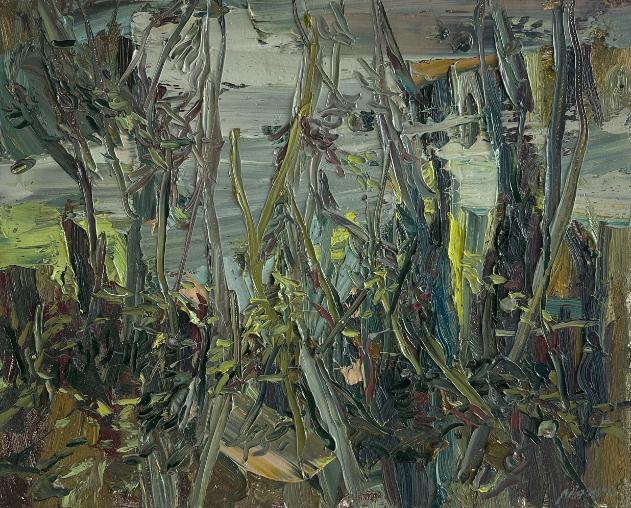
1984 Nissan Pickup Truck: Backseat
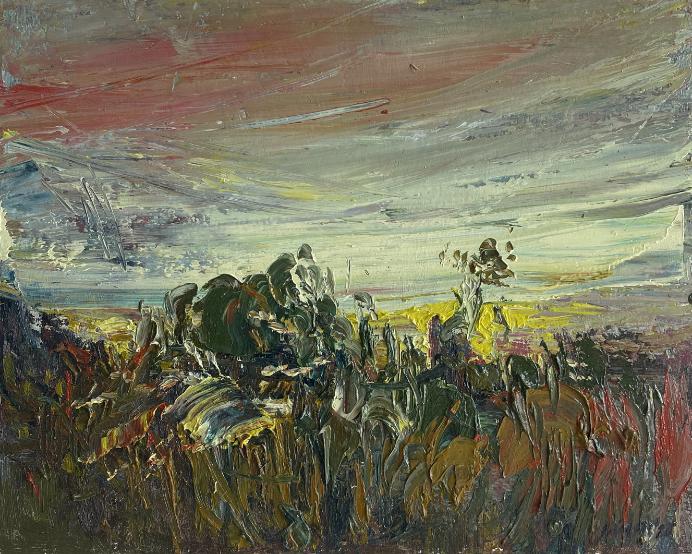
A Lifetime In A Day
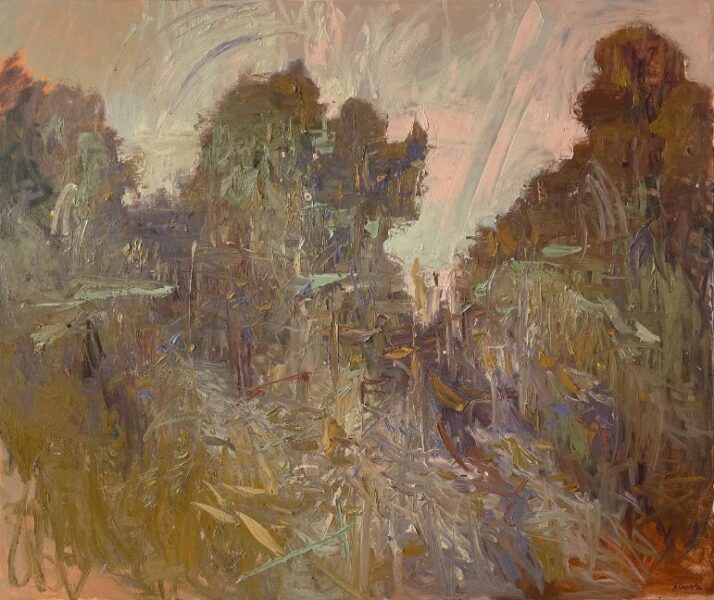
A Love Letter To Yellow Ochre
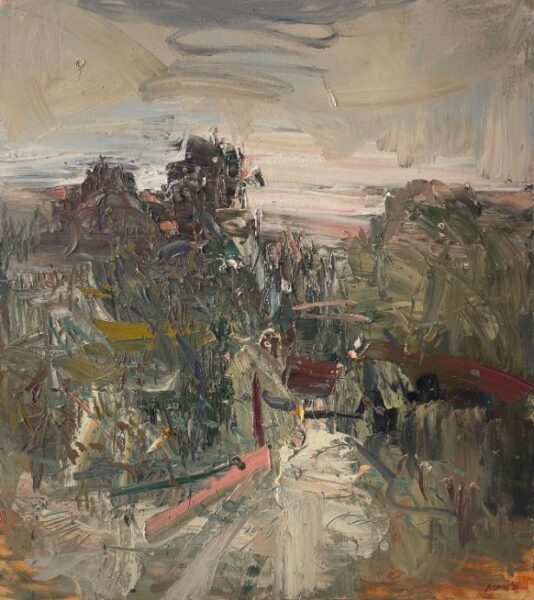
After Beyond
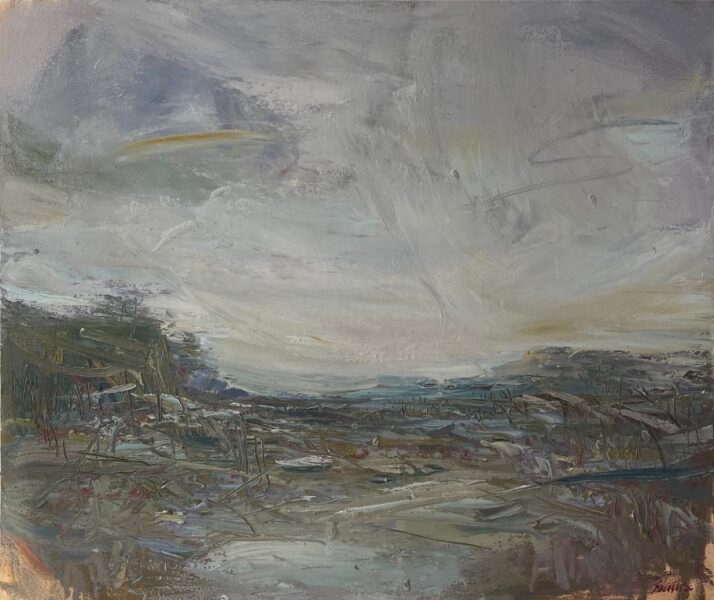
Nowhere To Hang A Clock
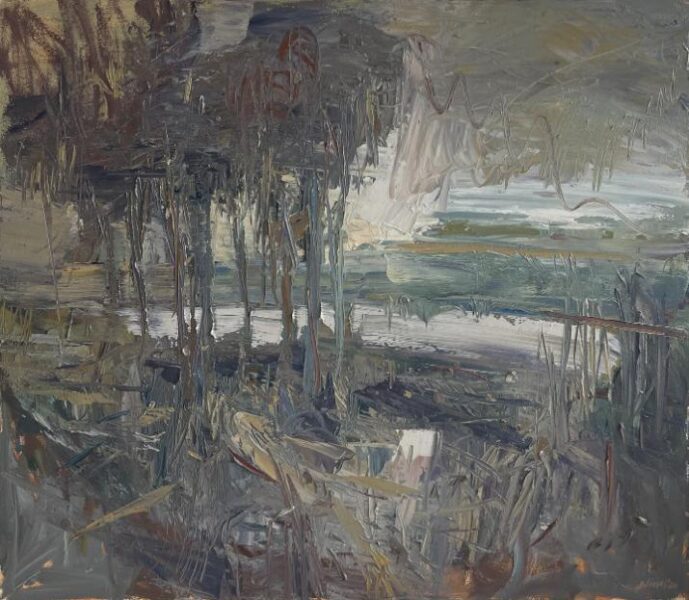
Passage Of Time
Seeing Silence
Stranger No More
The Other Side Of A Dream
Where Does Love Go When It Overflows ? 1
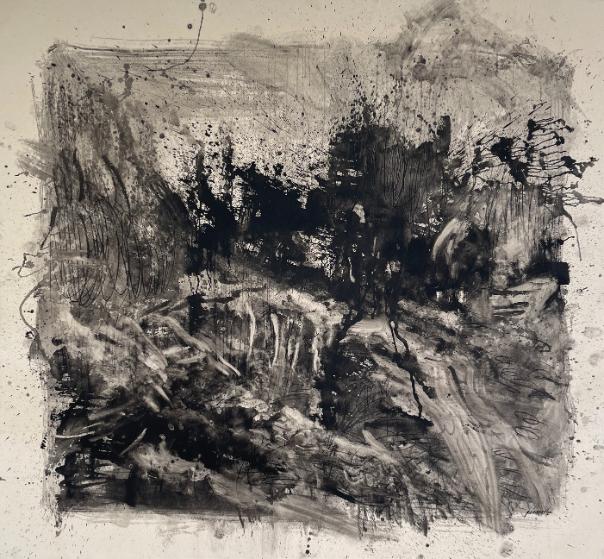
Where Does Love Go When It Overflows ? 2
Documentation