Notes on Tempest Palimpsest
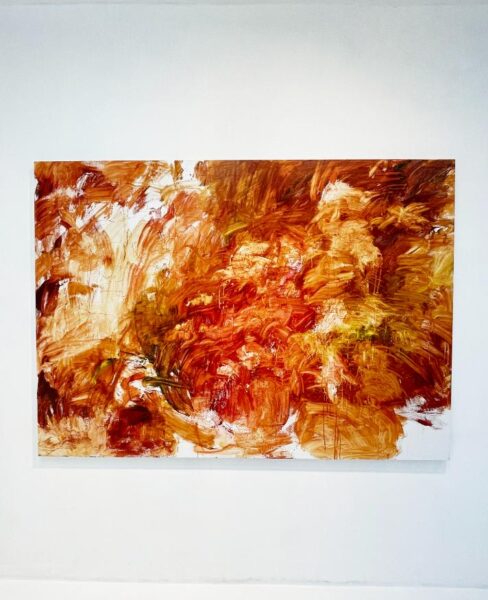
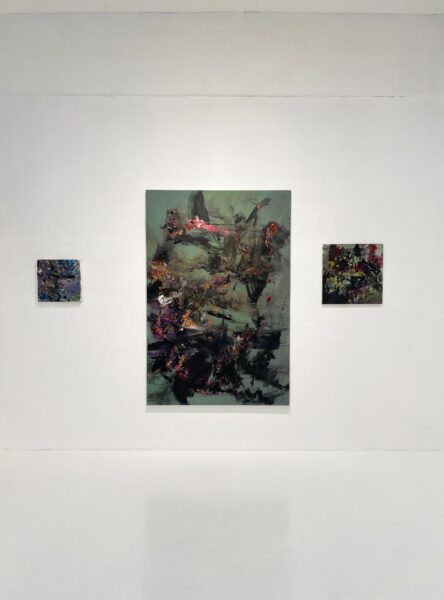
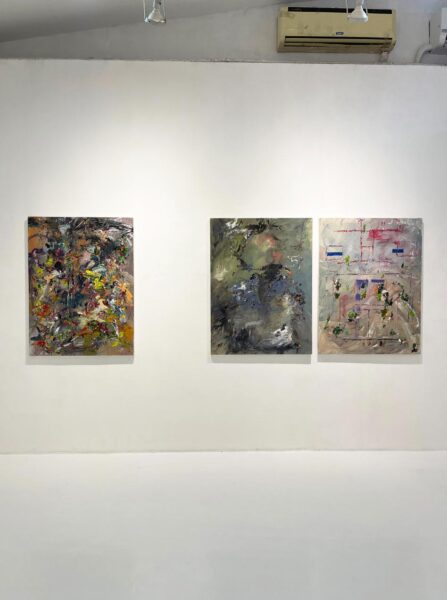
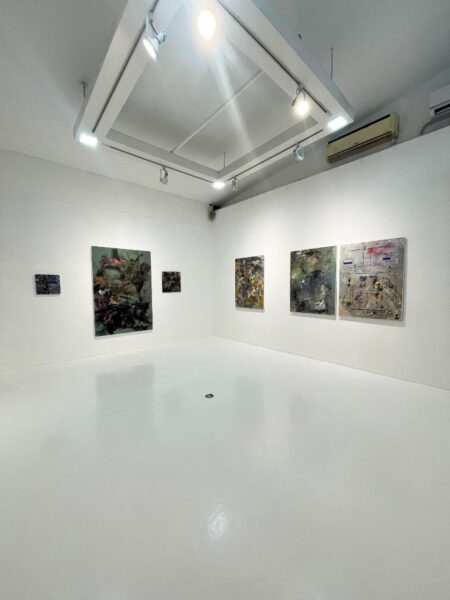
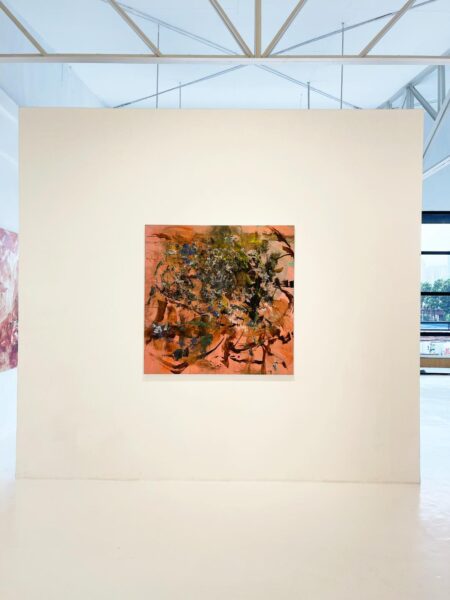
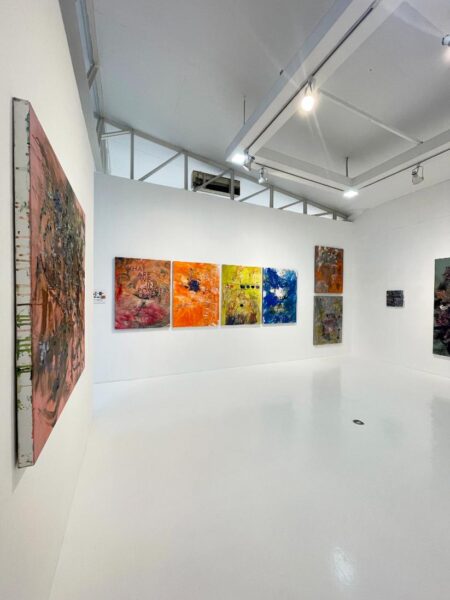
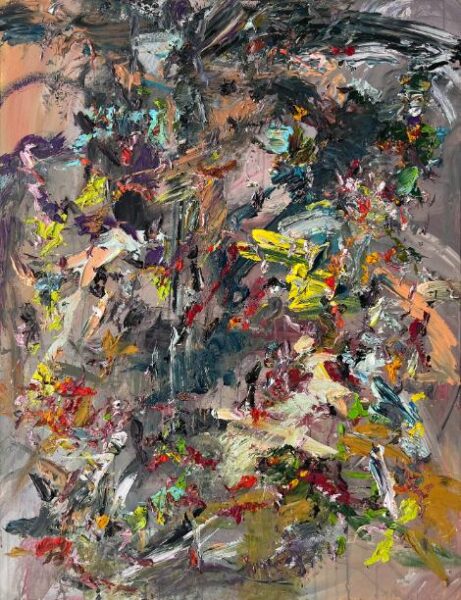
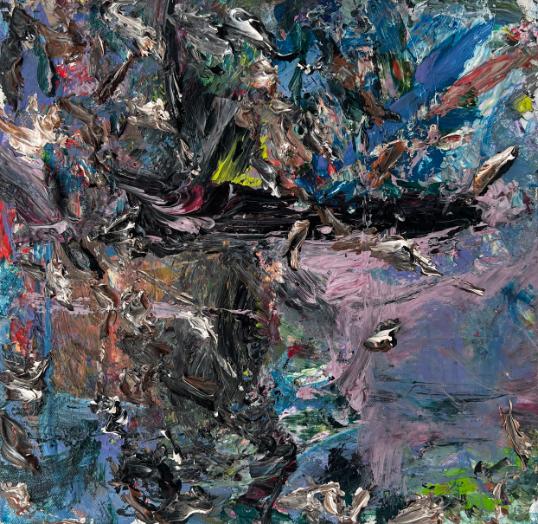
For me, a dab of paint means the universe, and a slew of impasto stabs proliferating a canvas allude to the flickering stars in the heavens, as totemic beacons held in balance by an invisible thread in the palm of a Divine Power.
Waxing romantic still, the starlights will not cease in the night, till a lost soul in a tempestuous sea is guided to harbor. The onslaught of crashing waves are symbolized by the tumultuous drips of paint and pigmented veils and washes.
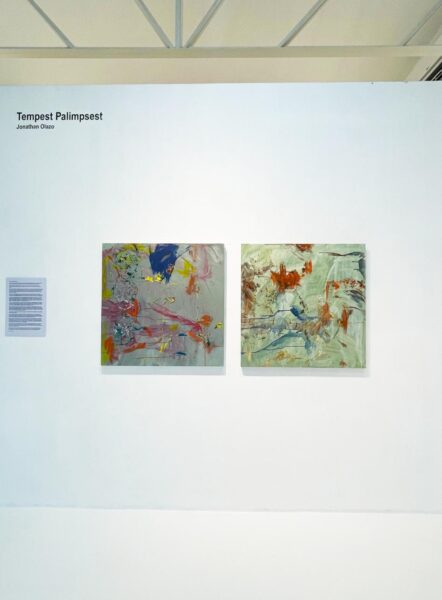
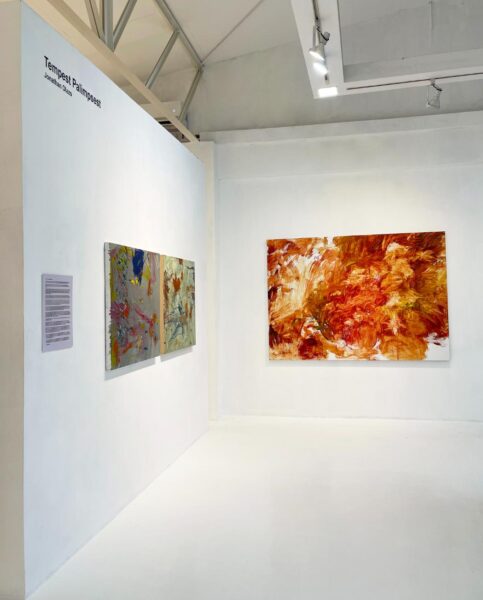
From what I’ve gathered, a palimpsest is a page of a manuscript written by scribes during the early centuries through the Middle Ages. To save time and money, because these were made from costly materials such as parchment and vellum, it was reused and re-written over after being scraped and erased. An interesting aspect of this writing instrument is the remnants of the previous writings remained and are evident. I thought this was interestingly analogous to the layering technique in my paintings.
The phrase “Tempest Palimpsest” is used in literary circles and refers to an adaptation or a retelling of an existing manuscript – like a Shakespearean play retold in a modern setting. At times, the said adaptation has an inferred critique that cites the cultural differences between the context of the original manuscript and the context of its new interpretation.
I find solace working inside my studio, however, the artistic activity of painting cannot exist in a vacuum. Thus, for me, painting is a site for adaptation (also known as appropriation and making variations on a theme) and narrative, which, I feel, echoes Roland Barthes’ analysis of the graffiti-esque paintings of Cy Twombly, in a paraphrase: “the canvas is an allusive writing.” Taking cue, painting, for me, specifically abstraction, can be regarded not only as a closed and purist system, but opens itself as a platform for inculcating ideas into the world.
In my view, a subliminal component must be part and parcel to the making of a palimpsest-like painting. When working on a painting, I always ask myself the question: how do I know when a painting is finished? After working on a painting many times over, I think of the sublime, or basically a feeling that makes me say a painting has everything in its place. It is, as if, life was proverbially breathed into it and has come to its own essence and being.
Back in the day, as a student in the UP College of Fine Arts, I was introduced to the idea of the sublime as an artistic concept. I gathered it originated from the grandeur-filled landscapes painted by Caspar David Friedrich in the 1880s and was adapted in the abstract Zip-Paintings by Barnett Newman in the mid-20th century. By definition, the sublime is simply about the inexplicable sensation of awe when one is faced with a beautiful painting. And, I realized, this feeling of what is beautiful can be felt in a variety of images and painting styles.
To somehow give a description of how the sublime is at play in my paintings, I thought of the allegory of a ship captain’s use of latitude and longitude.
For me, longitude refers to the vertical plots and symbolically means looking upward to a “cloud of witnesses,” the painting heroes and giants that have gone before in art history. I don’t think it is folly to stand on their broad shoulders and inhabit their well-trodden shoes. Constantly looking at and regurgitating the subliminal aspect of their works trains the eye, and, personally, makes the adaptation of the genius in their masterpieces easier to grasp.
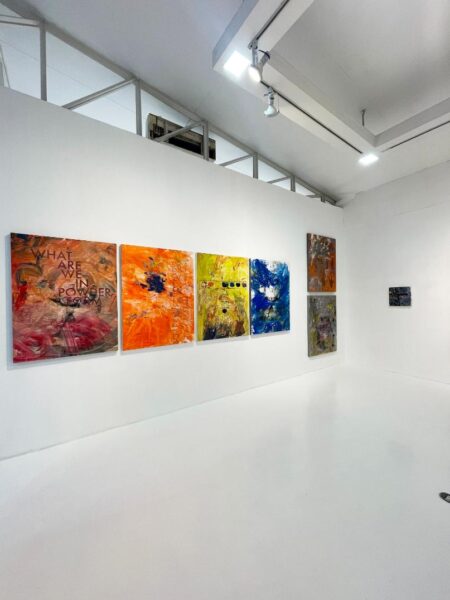
Latitude is a bit more complex as a symbol. For me, it is about looking horizontally, testing the sublime to see if it exists beyond the canvas, and unto the bustling and chaotic world outside the studio. Acting on this premise, I used “found” grounds as springboards for my paintings. I often refer to these as “meta-palimpsests,” as I feel these are palimpsests within a palimpsest. Photographs of a variety of objects, ranging from arranged items to photographed scenes in the city streets, see their part as images in the inclusive, painted surfaces.
I feel there may be a prima facie arbitrariness and eclecticism surrounding the paintings and it is of note to say such is predicated on the aforementioned personal view that the sublime is always shifting and transitory. I think of pictorial elements and whole compositions in a photograph as equivalent” to the form and image of dabs of paint, or at least in the beautiful feeling they trigger and elicit.
Conclusively, it is best to humbly refer to Robert Rauschenberg’s timeless dictum when he summed up his body of works. Seemingly, it encapsulates the high-minded operations I’ve worked on here to negotiate the spiritual themes I have sought to express in my works: “Paintings relates to both art and life. I try to act in the gap between the two.”
~ Jonathan Olazo
Works
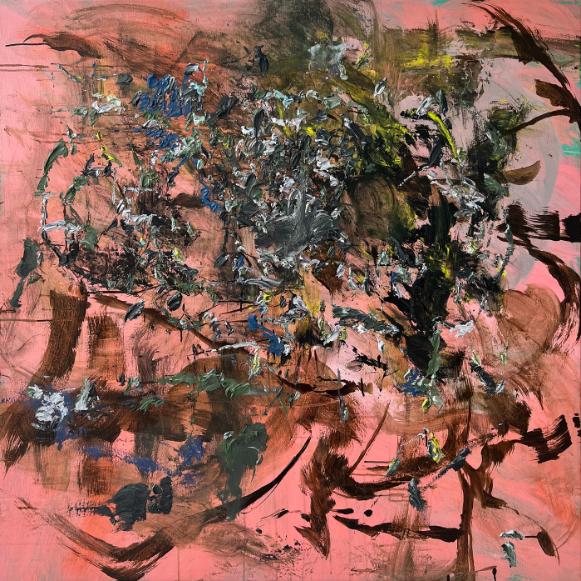
A Cloud of Witnesses
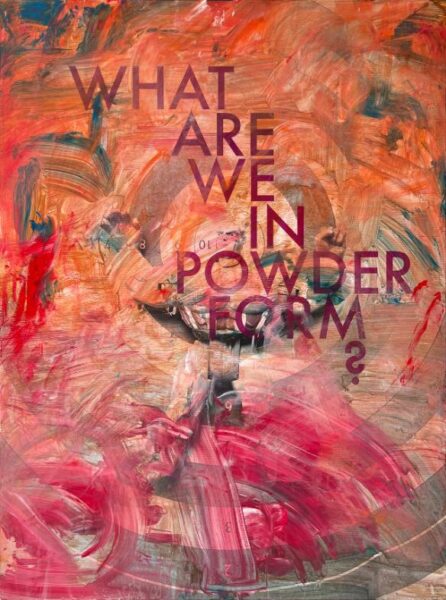
A Sedimentation of The Mind II
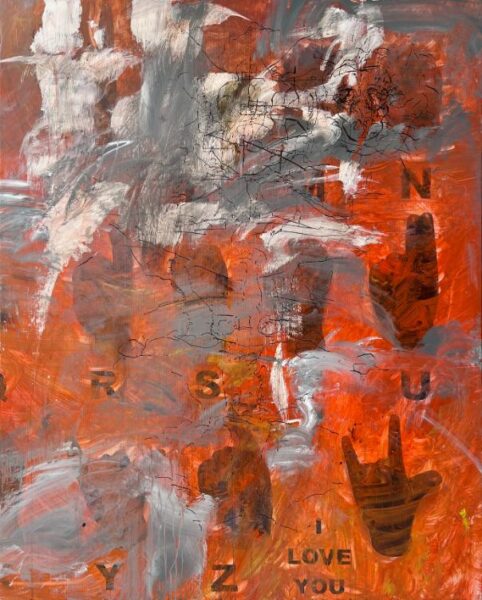
A Sedimentation of The Mind III
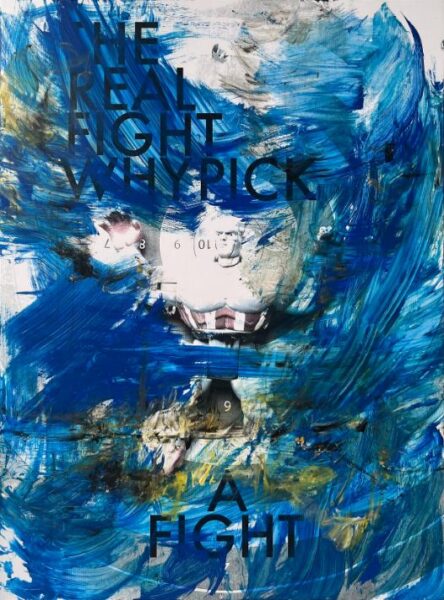
A Sedimentation of The Mind
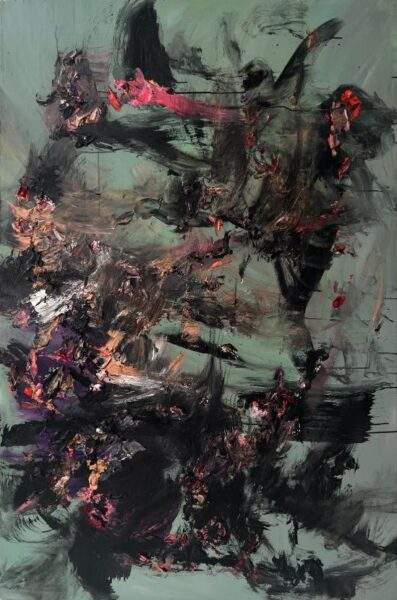
After Zao
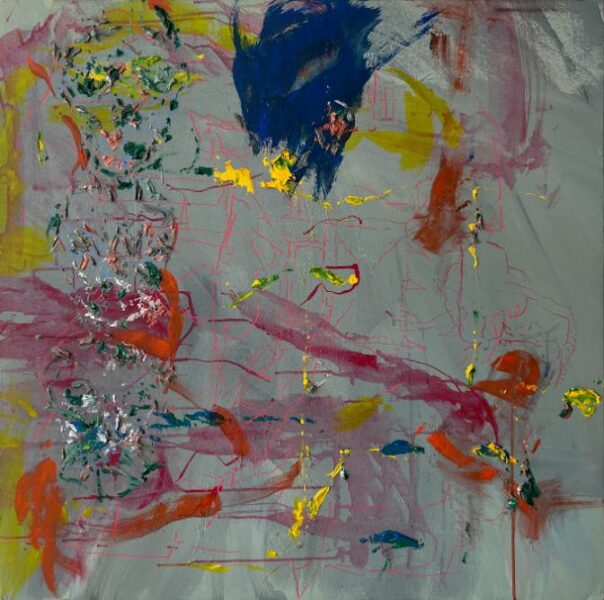
Exit Painting I
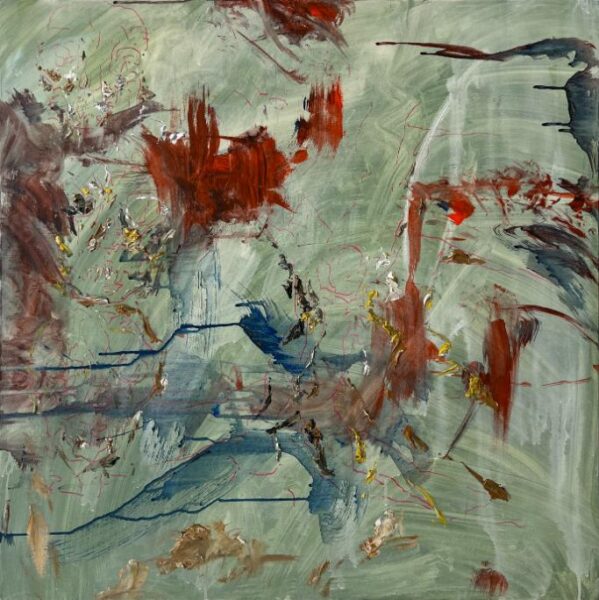
Jonathan Olazo - Exit Painting II
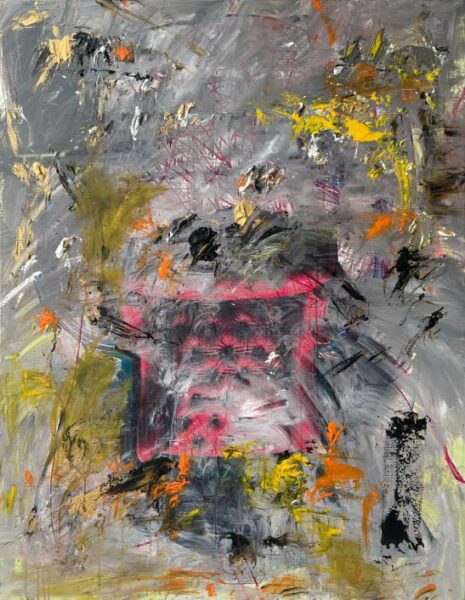
Mercy Seat
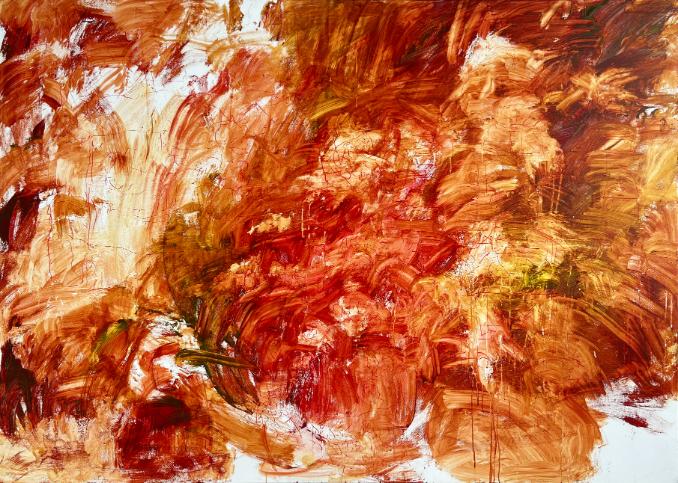
Ronin in My Veins
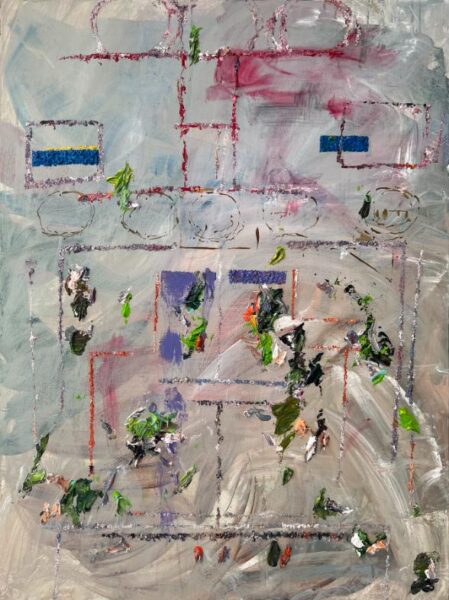
Sepia Stones
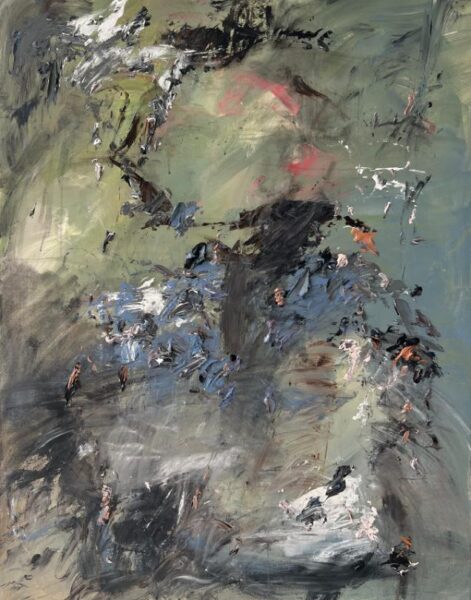
Stone in Klint
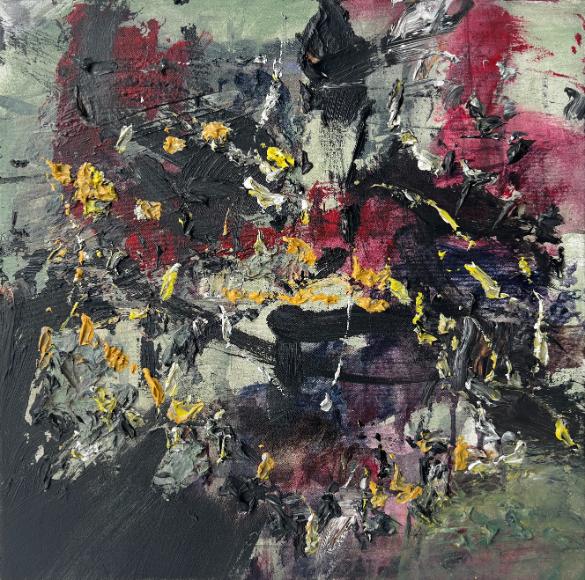
Tempest Palimpsest
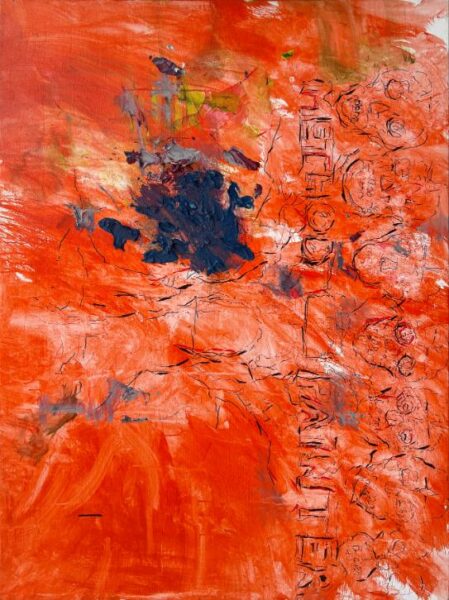
The Method Painter
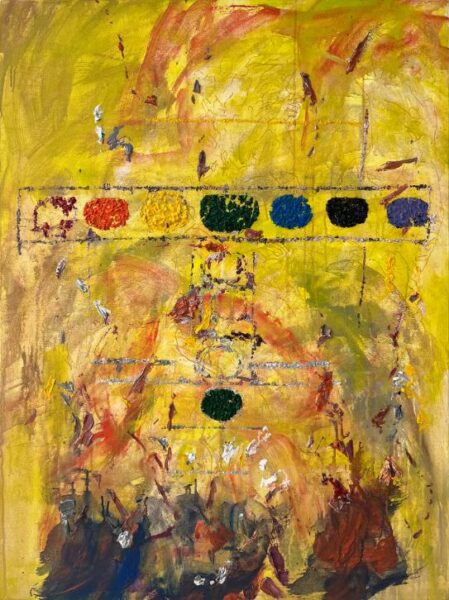
The Ministry of Seven in Babel
The Ola Seed
The Raft in Zao II
Documentation